
이란 분쟁, 세계 에너지 안보의 새로운 위험을 드러내다

게시일:2026-09-02 世界與新聞 Level 4
이란 분쟁, 세계 에너지 안보의 새로운 위험을 드러내다
01

About This Article

이 기사에 대하여
배경
중동은 오랫동안 세계 석유와 천연가스 운송의 중요한 거점이었다. 따라서 어떤 군사적 충돌도 해운, 보험, 시장의 신뢰에 영향을 미칠 수 있다. 이 글은 최근 이란 및 주변 지역의 긴장 상황을 배경으로, 에너지 안보가 공급 경로, 기반 시설, 국제 외교의 공동 영향을 어떻게 받는지 분석한다.
  • 이란 분쟁으로 세계 에너지 공급의 불확실성 심화
  • 해협 운송 중단으로 석유와 가스 가격 상승 가능성
  • 각국의 에너지 안보와 전략 비축량 재평가
  • 지정학적 위험을 줄이는 전략으로 부상한 에너지 전환
02

Listen First

먼저 듣기
00:00 / 00:00
03

Reading

기사 읽기
English

Renewed tensions involving Iran have exposed vulnerabilities that many energy planners had hoped to manage through diversification. Although the immediate effects of a conflict may be geographically concentrated, energy markets respond to anticipated disruption as much as to actual shortages. Traders, governments, and industrial consumers therefore monitor military developments, shipping data, and diplomatic statements with unusual intensity.

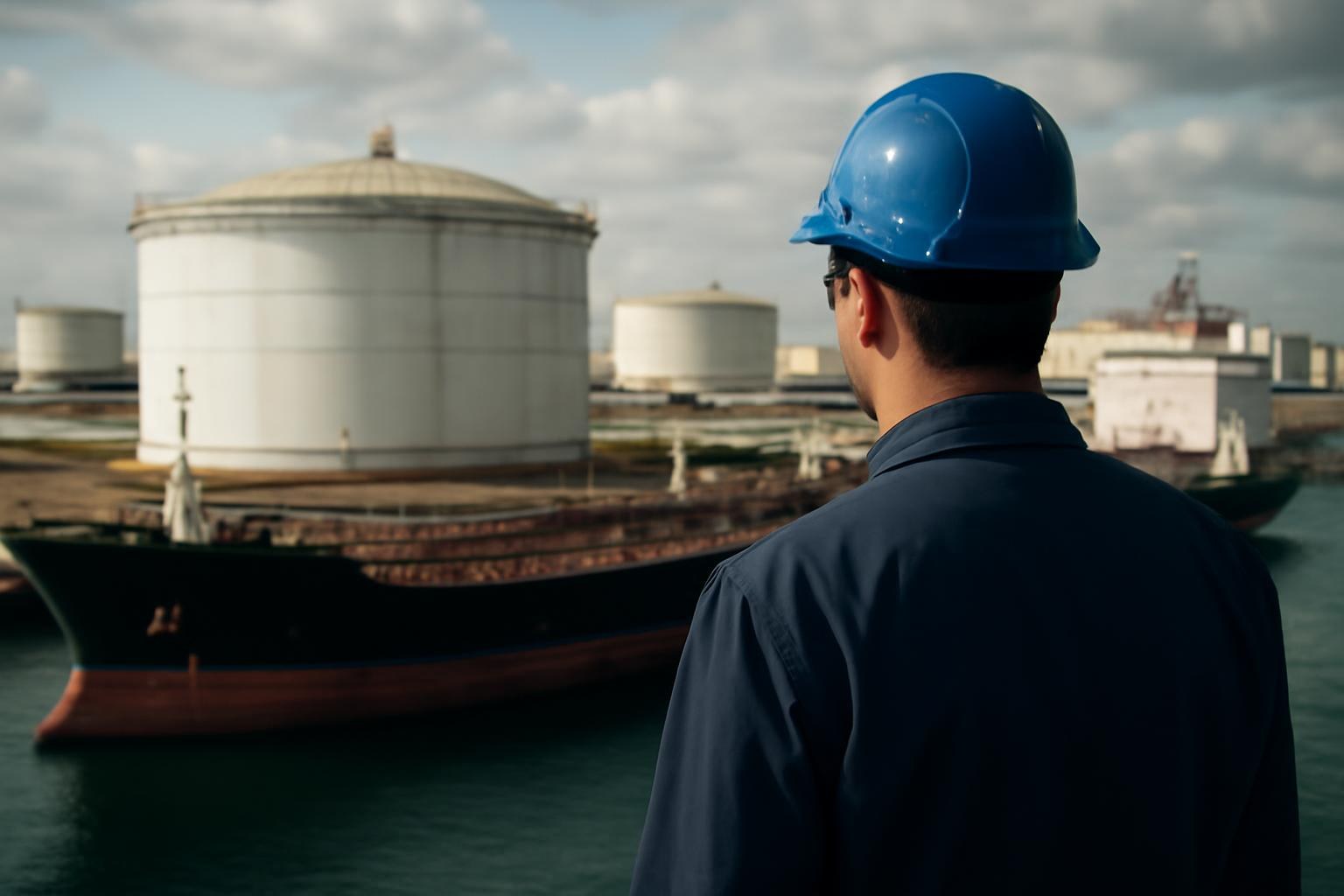
The most sensitive concern is the security of maritime corridors linking the Persian Gulf with international markets. A serious incident near a major shipping route could delay tankers, raise insurance premiums, and force vessels to take longer and more expensive paths. Even when navigation remains technically possible, uncertainty can reduce the volume of cargoes that companies are willing to dispatch.

Oil markets are particularly responsive because petroleum is traded globally and benchmark prices incorporate expectations about future supply. A temporary disruption can produce a sharp price spike if buyers fear that spare capacity will be insufficient. Higher prices then affect transportation, manufacturing, food distribution, and household budgets far beyond the region where the conflict began.

Natural gas faces a different but related set of risks. Liquefied natural gas cargoes can be redirected, yet terminals, pipelines, and regasification facilities impose physical limits on how quickly supplies can be replaced. Countries that rely heavily on imported gas may compete for the same cargoes, creating regional price disparities and placing additional pressure on electricity producers.

The conflict also highlights the strategic importance of energy infrastructure. Offshore platforms, export terminals, refineries, pipelines, and undersea cables can become targets or collateral damage during a crisis. An attack does not need to destroy a facility completely; temporary closures, technical inspections, or cyberattacks may be enough to interrupt flows and undermine confidence.

Governments are responding by reviewing emergency reserves, supplier agreements, and demand-management plans. Strategic stockpiles can cushion a short-term shock, but they cannot solve a prolonged crisis or compensate for inadequate refining capacity. Policymakers must also coordinate releases carefully, since an uncoordinated response may calm one market while intensifying anxiety in another.

In the longer term, the most durable lesson is that energy security cannot depend solely on military protection or additional fossil-fuel contracts. Renewable power, efficient grids, flexible storage, and regional interconnections can reduce exposure to imported fuels, although these systems require substantial investment and resilient supply chains of their own. The Iranian crisis therefore presents a difficult but valuable reminder: energy security is simultaneously a geopolitical, economic, technological, and climate challenge.

한국어 번역

이란과 관련된 긴장이 재고조되면서 많은 에너지 계획 담당자들이 다변화를 통해 관리하고자 했던 취약성이 드러났다. 분쟁의 즉각적인 영향은 특정 지역에 집중될 수 있지만, 에너지 시장은 실제 부족뿐만 아니라 예상되는 공급 차질에도 반응한다. 따라서 거래업자, 정부, 산업용 소비자들은 군사적 상황의 전개, 해운 자료, 외교 성명을 이례적으로 면밀하게 주시한다.

가장 민감한 우려는 페르시아만과 국제 시장을 연결하는 해상 통로의 안전이다. 주요 항로 인근에서 심각한 사건이 발생하면 유조선 운항이 지연되고 보험료가 오르며, 선박이 더 길고 비싼 항로를 택해야 할 수 있다. 항해가 기술적으로는 여전히 가능하더라도, 불확실성으로 인해 기업들이 운송하려는 화물의 양이 줄어들 수 있다.

석유 시장은 석유가 전 세계적으로 거래되고 기준 가격에 미래 공급에 대한 전망이 반영되기 때문에 특히 민감하게 반응한다. 구매자들이 여유 생산 능력이 충분하지 않을 것이라고 우려하면 일시적인 공급 차질만으로도 가격이 급등할 수 있다. 그러면 더 높은 가격은 분쟁이 시작된 지역을 훨씬 넘어 운송, 제조, 식품 유통, 가계 예산에 영향을 미친다.

천연가스는 이와 다르지만 관련성이 있는 위험에 직면해 있다. 액화천연가스 화물은 다른 곳으로 돌릴 수 있지만, 터미널, 파이프라인, 재기화 시설은 공급을 얼마나 신속하게 대체할 수 있는지에 물리적 한계를 부과한다. 수입 가스에 크게 의존하는 국가들은 같은 화물을 두고 경쟁할 수 있으며, 이는 지역별 가격 격차를 만들고 전력 생산업체에 추가적인 부담을 준다.

이 분쟁은 에너지 기반 시설의 전략적 중요성도 부각한다. 해상 플랫폼, 수출 터미널, 정유 공장, 파이프라인, 해저 케이블은 위기 상황에서 공격 목표가 되거나 부수적 피해를 입을 수 있다. 공격으로 시설이 완전히 파괴될 필요는 없다. 일시적인 가동 중단, 기술 점검 또는 사이버 공격만으로도 에너지 흐름이 중단되고 신뢰가 약화될 수 있다.

각국 정부는 비상 비축량, 공급업체 협정, 수요 관리 계획을 재검토하고 있다. 전략 비축량은 단기 충격을 완화할 수 있지만, 장기화된 위기를 해결하거나 부족한 정제 능력을 보완할 수는 없다. 정책 입안자들은 비축량 방출도 신중하게 조율해야 한다. 조율되지 않은 대응은 한 시장을 진정시키는 동시에 다른 시장의 불안을 심화할 수 있기 때문이다.

장기적으로 가장 지속적인 교훈은 에너지 안보가 군사적 보호나 추가적인 화석 연료 계약에만 의존해서는 안 된다는 점이다. 재생에너지, 효율적인 전력망, 유연한 에너지 저장 장치, 지역 간 연계망은 수입 연료에 대한 노출을 줄일 수 있다. 그러나 이러한 시스템에도 상당한 투자와 자체적으로 회복력 있는 공급망이 필요하다. 따라서 이란 위기는 에너지 안보가 지정학적·경제적·기술적·기후적 과제인 동시에 이루어져야 한다는 어렵지만 소중한 교훈을 제시한다.

04

Key Words

핵심 단어·구
5 개
05

Expressions

관용 표현
5 개
06

Practice

이해도 테스트
5 문항 +토론 3문항
0 /0문항

1 Why can an incident near a major shipping route affect markets even if navigation remains possible?
정답입니다. 오답입니다. 정답은 초록색으로 표시했습니다.
2 What can cause a sharp oil-price spike during a temporary disruption?
정답입니다. 오답입니다. 정답은 초록색으로 표시했습니다.
3 Which energy facilities are mentioned as potentially vulnerable during a crisis?
정답입니다. 오답입니다. 정답은 초록색으로 표시했습니다.
4 What limitation of strategic stockpiles does the article identify?
정답입니다. 오답입니다. 정답은 초록색으로 표시했습니다.
5 What is presented as a long-term way to reduce exposure to imported fuels?
정답입니다. 오답입니다. 정답은 초록색으로 표시했습니다.

Discussion

질문과 토론
3 문항

아래 질문에는 정답이 없습니다. 영어로 자신의 생각을 한 문항당 3~5문장으로 말해 보세요.

  1. 1 How should governments balance strategic stockpiles with long-term investment in renewable energy and resilient infrastructure?
  2. 2 Which parts of your country’s energy system might be most vulnerable to geopolitical disruption, and why?
  3. 3 Do you think energy security and climate policy should be planned together? Explain your position with examples.