
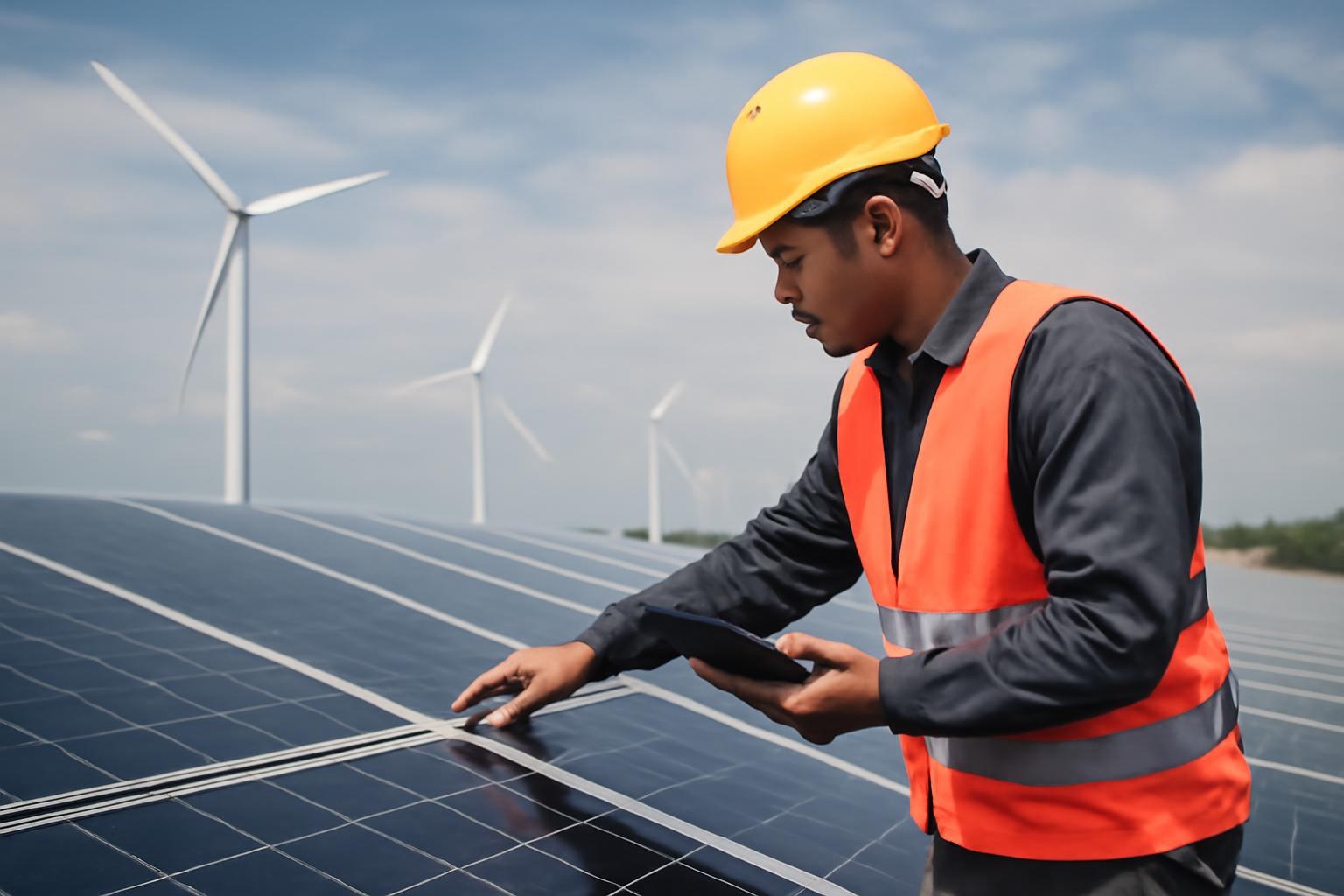
에너지 위기가 아시아의 재생에너지 전환을 가속하다

게시일:2026-09-02 世界與新聞 Level 4
에너지 위기가 아시아의 재생에너지 전환을 가속하다
01

About This Article

이 기사에 대하여
배경
아시아는 세계에서 에너지 수요가 가장 빠르게 증가하는 지역 중 하나이며, 많은 경제권이 오랫동안 석탄, 석유 또는 천연가스 수입에 의존해 왔다. 최근의 가격 변동과 공급 위험으로 인해 재생에너지는 더 이상 단순한 탄소 감축 정책이 아니라, 에너지 자립성과 경제적 회복력을 높이는 수단으로도 점차 인식되고 있다.
  • 에너지 가격 변동으로 공급 안보를 재고하는 아시아
  • 태양광 및 풍력 발전 투자 급증
  • 전력망과 에너지 저장이 에너지 전환의 핵심 병목으로 부상
  • 경제권별 전환 속도에는 여전히 차이가 존재
02

Listen First

먼저 듣기
00:00 / 00:00
03

Reading

기사 읽기
English

Asia’s energy landscape is changing under pressure from both climate commitments and recurring energy shocks. Sudden increases in the cost of imported coal, oil, and gas have reminded governments that affordability can depend on events thousands of kilometers away. As a result, renewable energy is increasingly discussed not only as an environmental priority but also as a form of strategic insurance.

Solar power has expanded particularly quickly because panels can be installed at many scales, from household rooftops to utility-sized projects. Several Asian economies have used auctions, tax incentives, and streamlined permitting to attract investment. Falling technology costs have strengthened the economic case, although land constraints, local opposition, and supply-chain concentration continue to complicate development.

Wind power is also gaining ground, especially along coastlines and in areas with consistent seasonal patterns. Offshore projects can generate electricity near densely populated industrial centers, where demand is substantial. However, construction requires specialized vessels, strong transmission links, and careful assessment of marine ecosystems, so a favorable resource does not automatically guarantee rapid deployment.

The transition is not simply a matter of building more generation capacity. Solar and wind output varies with weather, while electricity demand may peak at different times. Grid operators therefore need transmission upgrades, battery storage, demand-response programs, and forecasting systems that can coordinate millions of devices without compromising reliability.

Manufacturing capacity has become another strategic consideration. Asia dominates much of the production of solar modules, batteries, and other clean-energy components, but excessive dependence on a limited number of suppliers can create a new vulnerability. Governments are consequently encouraging domestic production and regional partnerships, even when doing so raises short-term costs.

Progress is uneven across the region. Wealthier economies may have greater access to capital and advanced grid technology, whereas developing countries often face financing constraints, weak infrastructure, or pressure to prioritize immediate economic growth. A fair transition will require concessional finance, technical assistance, and policies that prevent higher energy costs from falling disproportionately on low-income households.

The energy crisis has not eliminated the role of fossil fuels, and most analysts expect them to remain part of Asia’s mix during the transition. Nevertheless, repeated disruptions have changed the calculation: imported fuels carry geopolitical and financial risks that are difficult to capture in a simple price comparison. If governments combine renewable generation with efficient grids, storage, and social protection, Asia can turn an emergency response into a more secure and sustainable development strategy.

한국어 번역

기후 공약과 반복되는 에너지 충격이라는 두 가지 압박 속에서 아시아의 에너지 지형이 변화하고 있다. 수입 석탄, 석유, 천연가스 비용의 갑작스러운 상승은 에너지의 감당 가능성이 수천 킬로미터 떨어진 곳에서 발생하는 사건에 좌우될 수 있음을 각국 정부에 일깨워 주었다. 그 결과 재생에너지는 환경적 우선순위일 뿐만 아니라 전략적 보험의 한 형태로도 점점 더 논의되고 있다.

태양광 발전은 태양광 패널을 가정용 지붕부터 대규모 공공사업까지 다양한 규모로 설치할 수 있기 때문에 특히 빠르게 확대되었다. 여러 아시아 경제권은 투자를 유치하기 위해 경매, 세제 혜택, 간소화된 인허가 절차를 활용해 왔다. 기술 비용의 하락은 경제적 타당성을 강화했지만, 토지 제약, 지역 주민의 반대, 공급망 집중은 여전히 개발을 복잡하게 만들고 있다.

풍력 발전도 특히 해안선과 계절별 풍황이 일정한 지역을 중심으로 입지를 넓혀 가고 있다. 해상풍력 프로젝트는 수요가 상당한 인구 밀집 산업 중심지 인근에서 전력을 생산할 수 있다. 그러나 건설에는 특수 선박, 강력한 송전망 연결, 해양 생태계에 대한 신중한 평가가 필요하므로, 자원이 유리하다고 해서 신속한 보급이 자동으로 보장되는 것은 아니다.

에너지 전환은 단순히 더 많은 발전 용량을 건설하는 문제가 아니다. 태양광과 풍력 발전량은 날씨에 따라 변하고, 전력 수요는 서로 다른 시간대에 정점에 이를 수 있다. 따라서 전력망 운영자는 신뢰성을 훼손하지 않으면서 수백만 개의 장치를 조정할 수 있는 송전망 개선, 배터리 저장, 수요 반응 프로그램, 예측 시스템을 필요로 한다.

제조 역량은 또 다른 전략적 고려 사항이 되었다. 아시아는 태양광 모듈, 배터리 및 기타 청정에너지 부품 생산의 상당 부분을 차지하고 있지만, 소수 공급업체에 대한 과도한 의존은 새로운 취약성을 초래할 수 있다. 이에 따라 각국 정부는 국내 생산과 역내 협력을 장려하고 있으며, 이러한 조치가 단기 비용을 높이더라도 이를 추진하고 있다.

이 지역의 진전은 고르지 않다. 부유한 경제권은 자본과 첨단 전력망 기술에 더 쉽게 접근할 수 있는 반면, 개발도상국은 자금 조달의 제약, 취약한 인프라 또는 즉각적인 경제성장을 우선시해야 한다는 압박에 직면하는 경우가 많다. 공정한 전환을 위해서는 양허성 금융, 기술 지원, 그리고 더 높은 에너지 비용이 저소득 가구에 불균형적으로 전가되지 않도록 하는 정책이 필요하다.

에너지 위기가 화석연료의 역할을 없앤 것은 아니며, 대부분의 분석가들은 전환 기간에도 화석연료가 아시아의 에너지 구성에서 한 부분을 차지할 것으로 예상한다. 그럼에도 반복되는 공급 중단은 정책적 판단을 바꾸어 놓았다. 수입 연료에는 단순한 가격 비교만으로는 포착하기 어려운 지정학적·재정적 위험이 따르기 때문이다. 각국 정부가 재생에너지를 효율적인 전력망, 에너지 저장, 사회적 보호와 결합한다면 아시아는 위기 대응을 더 안전하고 지속 가능한 발전 전략으로 전환할 수 있다.

04

Key Words

핵심 단어·구
5 개
05

Expressions

관용 표현
5 개
06

Practice

이해도 테스트
5 문항 +토론 3문항
0 /0문항

1 Why is renewable energy increasingly viewed as strategic insurance in Asia?
정답입니다. 오답입니다. 정답은 초록색으로 표시했습니다.
2 What has helped strengthen the economic case for solar power?
정답입니다. 오답입니다. 정답은 초록색으로 표시했습니다.
3 Why do offshore wind projects require careful planning?
정답입니다. 오답입니다. 정답은 초록색으로 표시했습니다.
4 Which systems can help manage variable solar and wind output?
정답입니다. 오답입니다. 정답은 초록색으로 표시했습니다.
5 What does the article say about progress across Asia?
정답입니다. 오답입니다. 정답은 초록색으로 표시했습니다.

Discussion

질문과 토론
3 문항

아래 질문에는 정답이 없습니다. 영어로 자신의 생각을 한 문항당 3~5문장으로 말해 보세요.

  1. 1 What policies could help your country accelerate renewable-energy deployment without creating unfair costs for households?
  2. 2 How should governments balance domestic clean-energy manufacturing with the benefits of international trade?
  3. 3 Which renewable-energy technology seems most suitable for your region, and what obstacles might limit its expansion?