
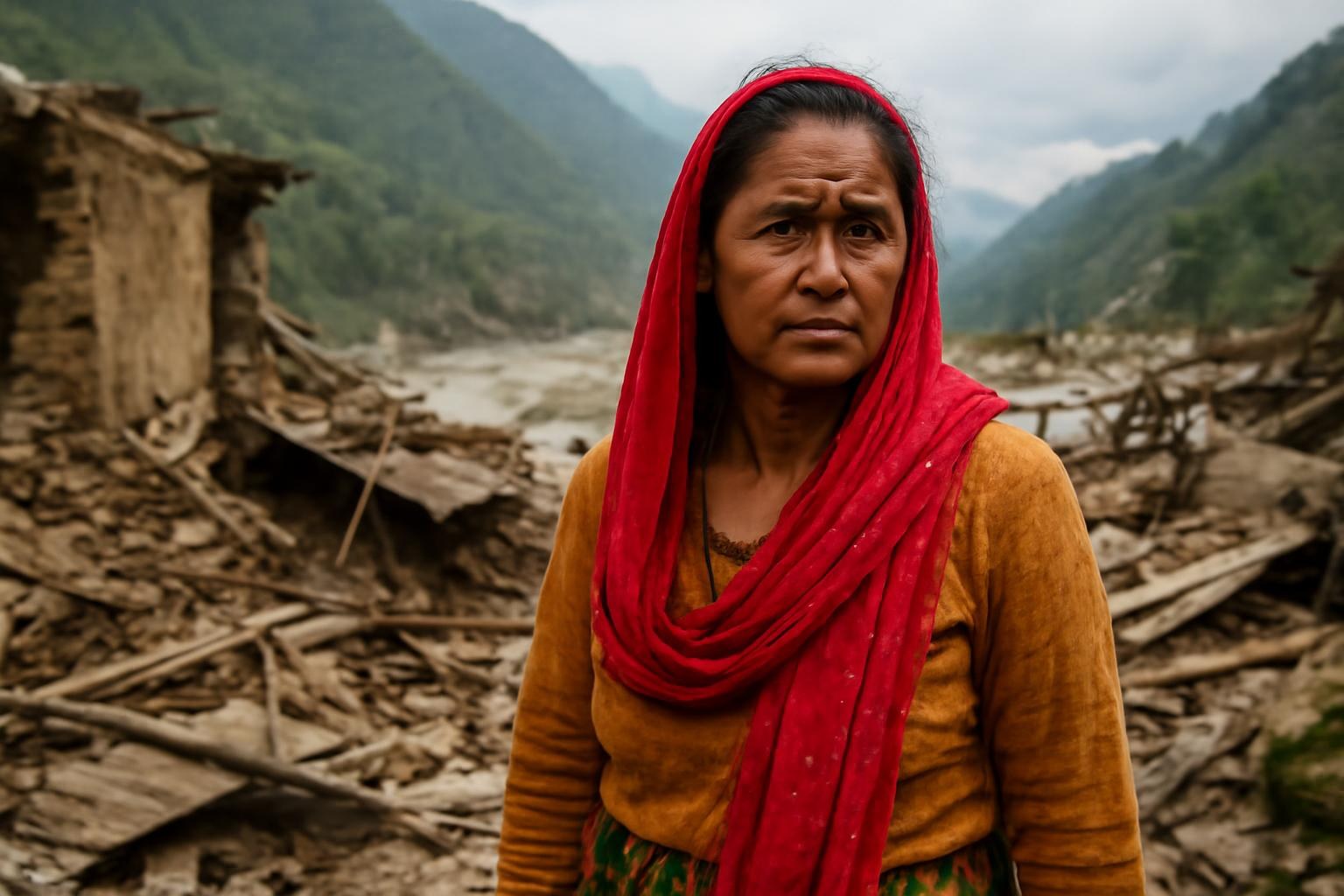
네팔 재난, 국경 간 조기경보 시스템의 허점 드러내

게시일:2026-09-02 世界與新聞 Level 4
네팔 재난, 국경 간 조기경보 시스템의 허점 드러내
01

About This Article

이 기사에 대하여
배경
히말라야의 강들은 여러 국가를 가로지르며, 홍수와 빙하호 붕괴, 산사태의 영향도 행정 경계를 넘어 확산되는 경우가 많습니다. 이 글은 데이터 교환, 책임 분담, 통신 장비, 지역사회의 대응 사이에 존재하는 국경 간 조기경보 시스템의 격차를 살펴봅니다.
  • 네팔 재난이 드러낸 국경 간 조기경보 협력의 부족
  • 산악 재난은 상류에서 발생해 하류에 영향을 미치는 경우가 많음
  • 데이터 공유와 경보 발령은 여전히 통합이 부족함
  • 지역사회에는 이해하기 쉽고 즉시 행동으로 옮길 수 있는 정보가 필요함
02

Listen First

먼저 듣기
00:00 / 00:00
03

Reading

기사 읽기
English

A disaster in Nepal has drawn attention to weaknesses in cross-border early-warning systems across the Himalayas. Floods and landslides may originate in one country but reach communities downstream in another within hours. This geography makes cooperation essential, yet technical capacity and political trust remain uneven among neighboring states.

An effective warning system begins with continuous observation. Rain gauges, river sensors, satellite images, and cameras can detect changes in water levels, rainfall intensity, or glacial-lake conditions. The information becomes useful only when it is transmitted quickly, interpreted accurately, and converted into a clear message that people understand.

In many remote valleys, the first obstacle is infrastructure. Sensors may be damaged by avalanches, lightning, or debris, while electricity and mobile networks can fail during severe weather. A warning center that receives incomplete data may hesitate to issue an alert, especially when a false alarm could undermine public confidence.

Cross-border coordination introduces additional complications. Countries may collect data according to different technical standards, use incompatible communication platforms, or classify risk levels differently. Officials may also be reluctant to share sensitive information, fearing political criticism or uncertainty about who would be held responsible if a warning proved inaccurate.

Timing is critical because downstream populations need more than an official announcement. They require practical instructions about when to leave, which routes remain safe, where shelters are located, and how to assist children, older adults, and people with disabilities. Messages must be issued in familiar languages and delivered through multiple channels, including radio, text alerts, sirens, and trusted local organizations.

Technology can strengthen these systems, but it cannot replace institutional preparation. Communities need evacuation maps, rehearsed procedures, trained volunteers, and authorities empowered to act without waiting for lengthy consultations. Regular drills can reveal whether alarms are audible, whether roads are passable, and whether shelters have adequate water, medicine, and emergency communications.

The Nepal disaster demonstrates that an early-warning system should be judged by the time between detection and protective action, not by the sophistication of its equipment. Regional governments could establish shared protocols, real-time data exchanges, and joint exercises while making responsibilities transparent. Cross-border warnings are ultimately a public service: their purpose is not to assign blame, but to ensure that information moves faster than the hazard itself.

한국어 번역

네팔에서 발생한 한 재난으로 히말라야 전역의 국경 간 조기경보 시스템이 지닌 취약점에 관심이 쏠렸습니다. 홍수와 산사태는 한 국가에서 시작되지만 몇 시간 안에 다른 국가의 하류 지역사회에 도달할 수 있습니다. 이러한 지리적 특성 때문에 협력은 필수적이지만, 인접 국가들 사이의 기술 역량과 정치적 신뢰는 여전히 고르지 않습니다.

효과적인 경보 시스템은 지속적인 관측에서 시작됩니다. 우량계, 하천 센서, 위성 영상, 카메라는 수위, 강우 강도 또는 빙하호 상태의 변화를 감지할 수 있습니다. 정보는 신속하게 전달되고 정확하게 해석되며 사람들이 이해할 수 있는 명확한 메시지로 바뀔 때에만 유용해집니다.

많은 외딴 계곡에서 첫 번째 장애물은 기반 시설입니다. 센서는 눈사태, 번개 또는 잔해로 손상될 수 있으며, 악천후가 발생하면 전력과 이동통신망이 끊길 수도 있습니다. 불완전한 데이터를 받은 경보 센터는 경보를 발령할지 망설일 수 있는데, 특히 오경보가 대중의 신뢰를 약화시킬 수 있기 때문입니다.

국경 간 협력에는 추가적인 복잡성이 따릅니다. 국가마다 서로 다른 기술 기준에 따라 데이터를 수집하거나, 호환되지 않는 통신 플랫폼을 사용하거나, 위험 수준을 서로 다르게 분류할 수 있습니다. 또한 관계자들은 민감한 정보를 공유하기를 꺼릴 수 있습니다. 정치적 비판을 받을까 우려하거나, 경보가 부정확했을 경우 누가 책임을 져야 하는지 불확실하기 때문입니다.

하류 지역 주민들에게는 공식 발표 이상의 것이 필요하기 때문에 시간은 매우 중요합니다. 주민들은 언제 대피해야 하는지, 어떤 경로가 여전히 안전한지, 대피소가 어디에 있는지, 그리고 어린이와 노인, 장애인을 어떻게 도와야 하는지에 관한 실질적인 지침을 필요로 합니다. 메시지는 익숙한 언어로 전달되어야 하며, 라디오, 문자 경보, 사이렌, 신뢰할 수 있는 지역 단체 등 여러 경로를 통해 제공되어야 합니다.

기술은 이러한 시스템을 강화할 수 있지만 제도적 준비를 대신할 수는 없습니다. 지역사회에는 대피 지도, 반복해서 연습한 절차, 훈련받은 자원봉사자, 그리고 긴 협의를 기다리지 않고 행동할 권한을 부여받은 당국이 필요합니다. 정기적인 훈련을 통해 경보가 들리는지, 도로를 통행할 수 있는지, 대피소에 충분한 물과 의약품, 긴급 통신 장비가 있는지를 확인할 수 있습니다.

네팔의 재난은 조기경보 시스템을 장비의 정교함이 아니라 위험을 감지한 시점부터 보호 조치를 취할 때까지 걸리는 시간으로 평가해야 한다는 점을 보여 줍니다. 지역 정부들은 책임을 투명하게 밝히는 동시에 공동 규약, 실시간 데이터 교환, 합동 훈련을 마련할 수 있습니다. 국경 간 경보는 궁극적으로 공공 서비스입니다. 그 목적은 책임을 묻는 것이 아니라 정보가 재난 자체보다 더 빠르게 이동하도록 보장하는 데 있습니다.

04

Key Words

핵심 단어·구
5 개
05

Expressions

관용 표현
5 개
06

Practice

이해도 테스트
5 문항 +토론 3문항
0 /0문항

1 Why is cross-border cooperation essential in the Himalayas?
정답입니다. 오답입니다. 정답은 초록색으로 표시했습니다.
2 When does monitoring information become useful?
정답입니다. 오답입니다. 정답은 초록색으로 표시했습니다.
3 Why might a warning center hesitate to issue an alert?
정답입니다. 오답입니다. 정답은 초록색으로 표시했습니다.
4 What practical information do residents need during a warning?
정답입니다. 오답입니다. 정답은 초록색으로 표시했습니다.
5 How should an early-warning system ultimately be evaluated?
정답입니다. 오답입니다. 정답은 초록색으로 표시했습니다.

Discussion

질문과 토론
3 문항

아래 질문에는 정답이 없습니다. 영어로 자신의 생각을 한 문항당 3~5문장으로 말해 보세요.

  1. 1 What communication channels would be most trusted and effective during a disaster in your community?
  2. 2 How can governments share risk information across borders while protecting sensitive data and public trust?
  3. 3 Why are drills and local volunteers as important as sensors and satellites in an early-warning system?