
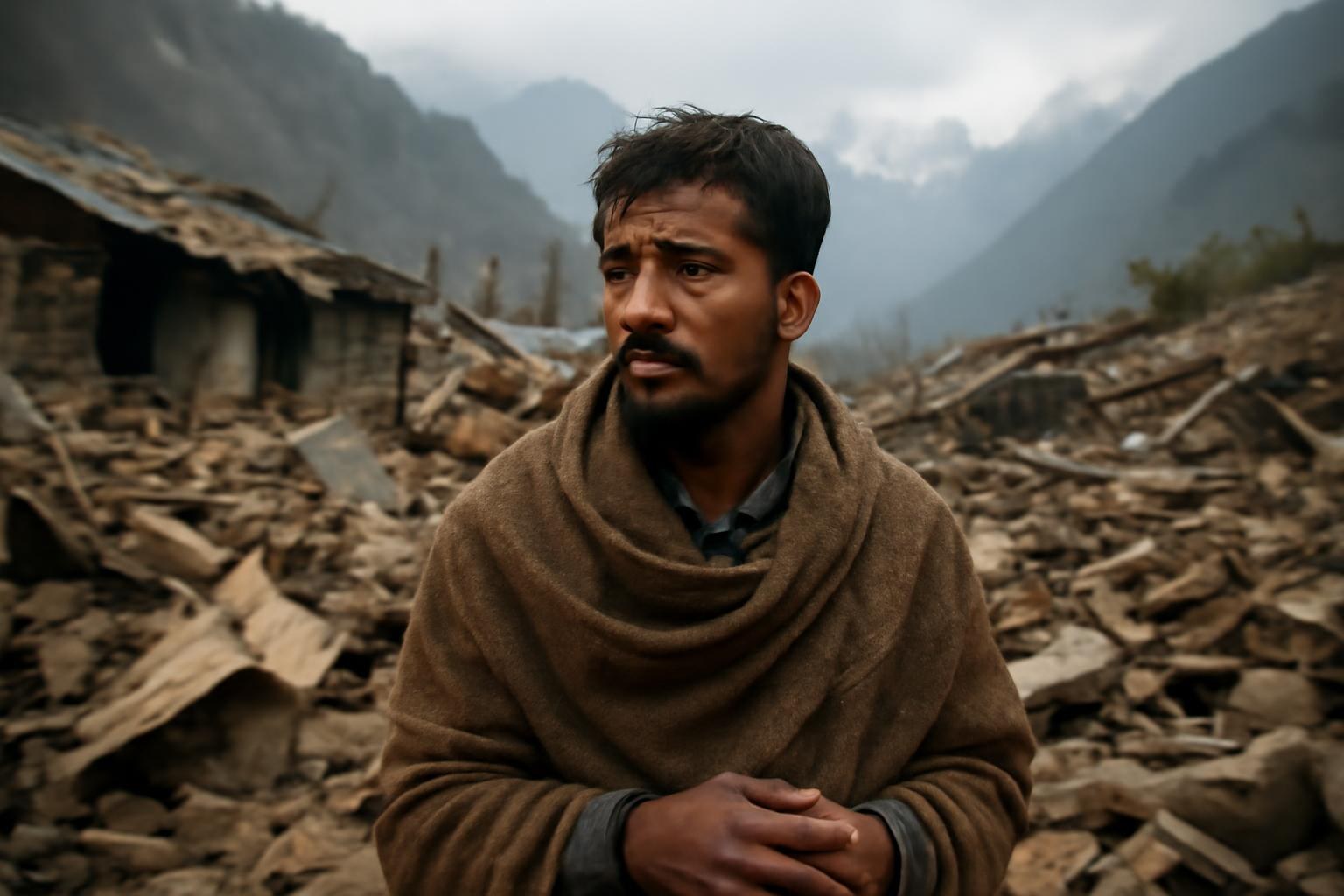
네팔 재난, 히말라야 지역의 증가하는 위험을 부각하다

게시일:2026-09-03 世界與新聞 Level 3
네팔 재난, 히말라야 지역의 증가하는 위험을 부각하다
01

About This Article

이 기사에 대하여
배경
네팔의 산악 지역은 지진, 산사태, 홍수, 빙하호 붕괴 등의 위험에 동시에 직면해 있다. 2026년의 재난 관련 논의는 기후 변화, 인구 증가, 기반 시설 부족으로 인해 고산 지역 사회가 신속하게 대응하기 더욱 어려워질 수 있음을 보여 준다.
  • 재난이 히말라야 지역의 복합적인 위험을 부각하다
  • 극한의 날씨와 지형이 구조를 더욱 어렵게 하다
  • 지역 사회가 도로, 교량 및 통신 두절에 직면하다
  • 전문가들이 조기 경보와 회복력 있는 기반 시설 강화를 촉구하다
02

Listen First

먼저 듣기
00:00 / 00:00
03

Reading

기사 읽기
English

A disaster reported in Nepal in 2026 has drawn attention to the growing risks faced by communities in the Himalayas. The region is naturally exposed to earthquakes, landslides, floods, and avalanches because of its steep terrain and active geology. Climate change is adding another layer of uncertainty by affecting rainfall, snow, and glacier conditions. A single event can therefore trigger several hazards at the same time.

Mountain settlements are especially difficult to protect. Many villages are located far from major roads, hospitals, and communication centers, while narrow valleys can limit the movement of rescue teams. Heavy rain may wash away bridges or block roads with mud and rocks. When electricity and mobile networks fail, families may have trouble receiving warnings or contacting relatives.

The effects of a disaster are not limited to immediate injuries. Farmers can lose crops, animals, irrigation channels, and access to markets. Children may be unable to attend school, and health workers may struggle to deliver medicine to isolated communities. Small businesses often need months to recover because customers, supplies, and transportation routes have all been disrupted.

Recent events have also increased attention on the relationship between climate change and high-mountain hazards. Warmer temperatures can accelerate glacier melt and alter the timing of water flows, although the precise risk differs from valley to valley. Scientists are improving satellite monitoring, weather forecasts, and early-warning systems. Such tools are most useful when local residents understand the alerts and know what action to take.

Experts say resilience must be built before the next emergency. Safer schools, stronger bridges, emergency shelters, and trained local response teams can save lives when outside assistance is delayed. Development projects should also consider slope stability and changing weather instead of focusing only on short-term access. Nepal’s experience is a warning that protecting mountain communities requires cooperation among governments, scientists, aid groups, and residents themselves.

한국어 번역

2026년 네팔에서 보도된 한 재난은 히말라야 지역 사회가 직면한 증가하는 위험에 주목하게 했다. 이 지역은 지형이 가파르고 지질 활동이 활발하기 때문에 지진, 산사태, 홍수, 눈사태에 자연스럽게 노출되어 있다. 기후 변화는 강우량, 적설량, 빙하 상태에 영향을 미치면서 또 다른 불확실성을 더하고 있다. 따라서 하나의 사건이 여러 재해를 동시에 촉발할 수 있다.

산악 지역의 정착지는 특히 보호하기가 어렵다. 많은 마을이 주요 도로, 병원, 통신 센터에서 멀리 떨어져 있으며, 좁은 계곡은 구조대의 이동을 제한할 수 있다. 폭우가 다리를 휩쓸어 가거나 진흙과 바위로 도로를 막을 수도 있다. 전기와 이동통신망이 끊기면 가족들은 경보를 받거나 친척에게 연락하는 데 어려움을 겪을 수 있다.

재난의 영향은 즉각적인 부상에만 국한되지 않는다. 농부들은 농작물, 가축, 관개 수로, 시장으로 가는 통로를 잃을 수 있다. 아이들은 학교에 다니지 못할 수 있고, 보건 인력은 고립된 지역 사회에 의약품을 전달하는 데 어려움을 겪을 수 있다. 고객, 물자, 교통로가 모두 차질을 빚기 때문에 소규모 사업체는 회복하는 데 수개월이 걸리는 경우가 많다.

최근의 사건들은 기후 변화와 고산 지역 재해의 관계에도 더욱 관심을 불러일으켰다. 기온 상승은 빙하의 융해를 가속하고 물 흐름의 시기를 바꿀 수 있지만, 정확한 위험은 계곡마다 다르다. 과학자들은 위성 모니터링, 일기 예보, 조기 경보 시스템을 개선하고 있다. 지역 주민들이 경보를 이해하고 어떤 조치를 취해야 하는지 알고 있을 때 이러한 도구가 가장 유용하다.

전문가들은 다음 긴급 상황이 발생하기 전에 회복력을 길러야 한다고 말한다. 더 안전한 학교, 더 튼튼한 교량, 긴급 대피소, 훈련받은 지역 대응팀은 외부 지원이 지연될 때 생명을 구할 수 있다. 개발 사업은 단기적인 통행에만 초점을 맞추는 대신 경사면의 안정성과 변화하는 날씨도 고려해야 한다. 네팔의 경험은 산악 지역 사회를 보호하려면 정부, 과학자, 구호 단체, 그리고 주민들 모두의 협력이 필요하다는 경고를 보낸다.

04

Key Words

핵심 단어·구
5 개
05

Expressions

관용 표현
5 개
06

Practice

이해도 테스트
5 문항 +토론 3문항
0 /0문항

1 Why are Himalayan communities naturally exposed to several hazards?
정답입니다. 오답입니다. 정답은 초록색으로 표시했습니다.
2 What may heavy rain do in mountain areas?
정답입니다. 오답입니다. 정답은 초록색으로 표시했습니다.
3 What can farmers lose during a disaster?
정답입니다. 오답입니다. 정답은 초록색으로 표시했습니다.
4 When are early-warning tools most useful?
정답입니다. 오답입니다. 정답은 초록색으로 표시했습니다.
5 What does the article recommend building before an emergency?
정답입니다. 오답입니다. 정답은 초록색으로 표시했습니다.

Discussion

질문과 토론
3 문항

아래 질문에는 정답이 없습니다. 영어로 자신의 생각을 한 문항당 3~5문장으로 말해 보세요.

  1. 1 What disaster-preparedness measures would be most valuable for a remote mountain community?
  2. 2 How can local residents and scientists cooperate to reduce disaster risks?
  3. 3 What lessons can other countries learn from Nepal’s experience?