
ネパールの災害が浮き彫りにするヒマラヤ地域の高まるリスク

公開日:2026-09-03 世界與新聞 Level 3
ネパールの災害が浮き彫りにするヒマラヤ地域の高まるリスク
01

About This Article

この記事について
背景
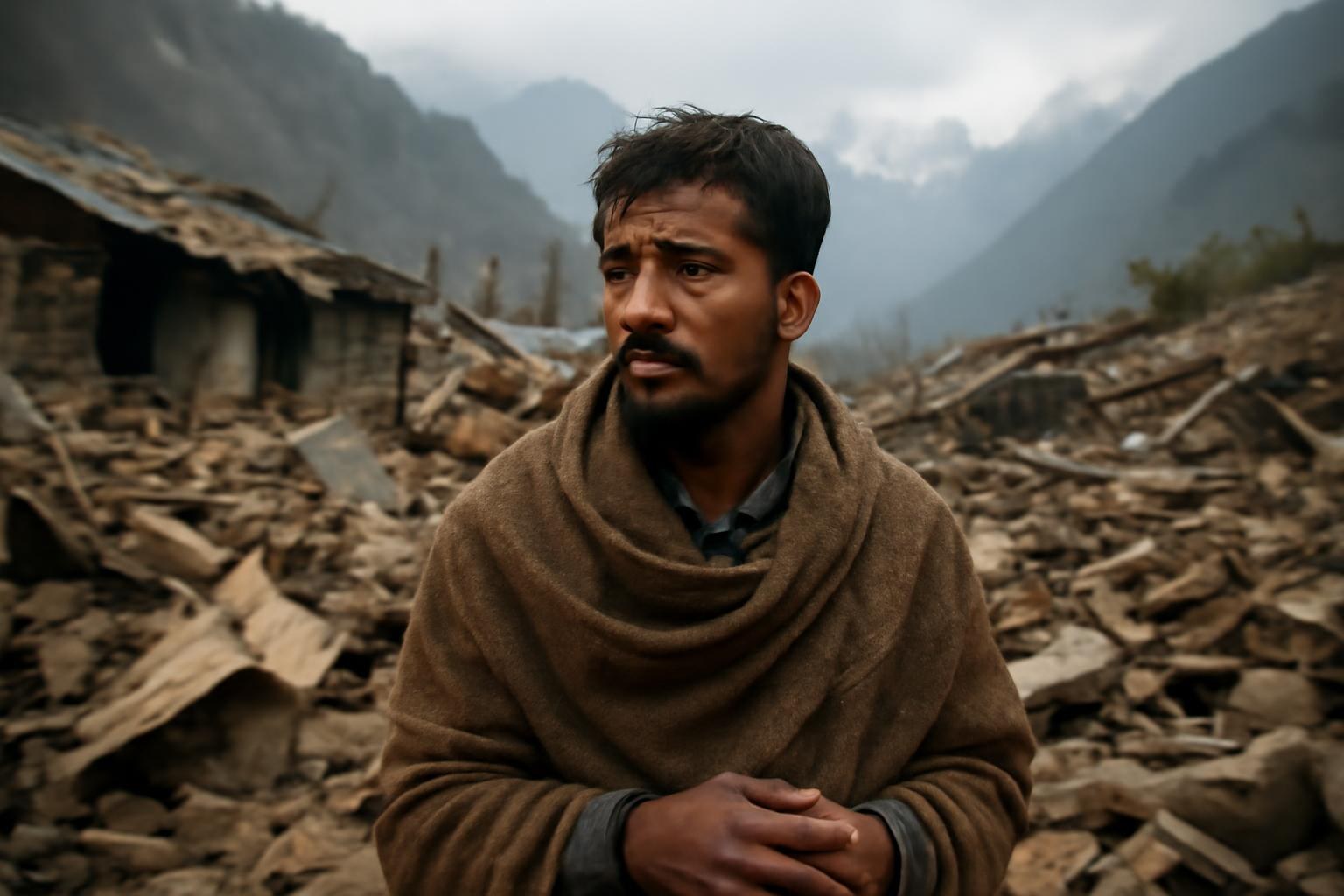
ネパールの山岳地域は、地震、土砂崩れ、洪水、氷河湖決壊などのリスクに同時にさらされています。2026年の災害をめぐる議論からは、気候変動、人口増加、インフラ不足によって、高地の地域社会が迅速に対応することが一層難しくなる可能性が示されています。
  • 災害が浮き彫りにするヒマラヤ地域の複合的なリスク
  • 極端な天候と地形が救助活動を困難にする
  • 地域社会が道路・橋・通信の寸断に直面する
  • 専門家が早期警報とレジリエンス構築の強化を呼びかける
02

Listen First

まず聞く
00:00 / 00:00
03

Reading

記事を読む
English

A disaster reported in Nepal in 2026 has drawn attention to the growing risks faced by communities in the Himalayas. The region is naturally exposed to earthquakes, landslides, floods, and avalanches because of its steep terrain and active geology. Climate change is adding another layer of uncertainty by affecting rainfall, snow, and glacier conditions. A single event can therefore trigger several hazards at the same time.

Mountain settlements are especially difficult to protect. Many villages are located far from major roads, hospitals, and communication centers, while narrow valleys can limit the movement of rescue teams. Heavy rain may wash away bridges or block roads with mud and rocks. When electricity and mobile networks fail, families may have trouble receiving warnings or contacting relatives.

The effects of a disaster are not limited to immediate injuries. Farmers can lose crops, animals, irrigation channels, and access to markets. Children may be unable to attend school, and health workers may struggle to deliver medicine to isolated communities. Small businesses often need months to recover because customers, supplies, and transportation routes have all been disrupted.

Recent events have also increased attention on the relationship between climate change and high-mountain hazards. Warmer temperatures can accelerate glacier melt and alter the timing of water flows, although the precise risk differs from valley to valley. Scientists are improving satellite monitoring, weather forecasts, and early-warning systems. Such tools are most useful when local residents understand the alerts and know what action to take.

Experts say resilience must be built before the next emergency. Safer schools, stronger bridges, emergency shelters, and trained local response teams can save lives when outside assistance is delayed. Development projects should also consider slope stability and changing weather instead of focusing only on short-term access. Nepal’s experience is a warning that protecting mountain communities requires cooperation among governments, scientists, aid groups, and residents themselves.

日本語訳

2026年にネパールで報じられた災害をきっかけに、ヒマラヤ地域の地域社会が直面する高まりつつあるリスクに注目が集まっています。この地域は、険しい地形と活発な地質活動のため、地震、土砂崩れ、洪水、雪崩に自然にさらされています。気候変動は、降雨、積雪、氷河の状態に影響を与えることで、さらに不確実性を増しています。そのため、1つの出来事が同時に複数の災害を引き起こす可能性があります。

山間部の集落は、特に守ることが困難です。多くの村は主要道路、病院、通信センターから遠く離れており、狭い谷によって救助隊の移動が制限されることもあります。大雨によって橋が流されたり、泥や岩で道路がふさがれたりすることがあります。電力や携帯電話網が停止すると、家族は警報を受け取ったり、親族に連絡したりすることが難しくなる場合があります。

災害の影響は、直後の負傷だけにとどまりません。農家は作物、家畜、灌漑用水路、市場へのアクセスを失う可能性があります。子どもたちは学校に通えなくなり、医療従事者は孤立した地域社会に薬を届けるのに苦労することがあります。顧客、物資、交通路がすべて混乱するため、小規模事業者は復旧に数か月を要することが少なくありません。

近年の出来事によって、気候変動と高山地域の災害との関係にも関心が高まっています。気温の上昇は氷河の融解を速め、水の流れの時期を変える可能性がありますが、具体的なリスクは谷ごとに異なります。科学者たちは、衛星によるモニタリング、天気予報、早期警報システムの改善を進めています。こうしたツールは、地域の住民が警報を理解し、どのような行動を取るべきかを知っている場合に、最も役立ちます。

専門家は、次の緊急事態が起こる前にレジリエンスを築かなければならないと述べています。より安全な学校、より頑丈な橋、緊急避難所、そして訓練を受けた地域の対応チームは、外部からの支援が遅れたときに命を救うことができます。開発計画では、短期的な通行だけに焦点を当てるのではなく、斜面の安定性や変化する天候も考慮すべきです。ネパールの経験は、山岳地域の地域社会を守るには、政府、科学者、援助団体、そして住民自身の協力が必要だという警告となっています。

04

Key Words

重要単語・フレーズ
5 件
05

Expressions

慣用表現
5 件
06

Practice

理解度テスト
5 問 +ディスカッション 3 問
0 /0 問

1 Why are Himalayan communities naturally exposed to several hazards?
正解です。 不正解です。正解は緑色で示しています。
2 What may heavy rain do in mountain areas?
正解です。 不正解です。正解は緑色で示しています。
3 What can farmers lose during a disaster?
正解です。 不正解です。正解は緑色で示しています。
4 When are early-warning tools most useful?
正解です。 不正解です。正解は緑色で示しています。
5 What does the article recommend building before an emergency?
正解です。 不正解です。正解は緑色で示しています。

Discussion

質問とディスカッション
3 問

以下の問いに正解はありません。英語で自分の考えを、1 問につき 3〜5 文で話してみましょう。

  1. 1 What disaster-preparedness measures would be most valuable for a remote mountain community?
  2. 2 How can local residents and scientists cooperate to reduce disaster risks?
  3. 3 What lessons can other countries learn from Nepal’s experience?