
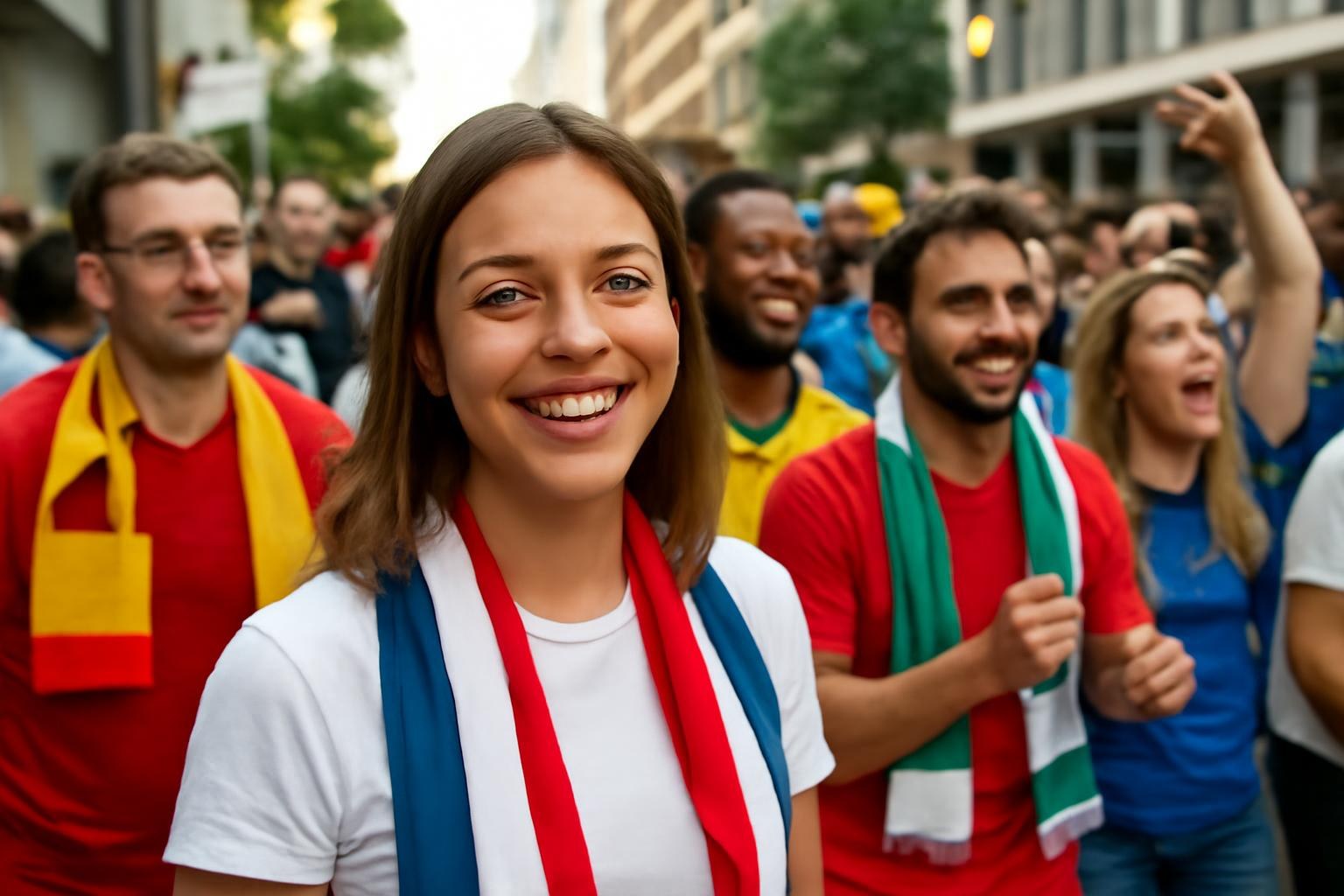
The World Cup is more than a sports event. It can bring thousands of visitors to the cities that host the matches. Fans travel from many countries to watch their teams, meet other supporters, and enjoy the local culture. For host cities, this creates both excitement and important economic opportunities.
Hotels, restaurants, shops, and transportation companies often receive more customers during the tournament. Visitors may spend money on meals, souvenirs, tickets, and public transportation. Local workers can also find temporary jobs. Some businesses begin preparing months or even years before the first match.
To welcome the crowds, cities may improve airports, train systems, roads, and public spaces. They also need clear signs in different languages and enough staff to help visitors. Police and emergency workers must plan for large gatherings. Good planning can make travel safer and more comfortable for everyone.
However, a large event can also cause problems. Hotel prices may rise, roads can become crowded, and local residents may find it difficult to move around. Some people worry that public money will be used for projects that are not needed after the tournament. City leaders therefore need to balance short-term excitement with long-term benefits.
As the next World Cup approaches, host cities in North America are making these decisions carefully. The tournament can leave positive memories and support local businesses, but its success will depend on preparation. A city that welcomes visitors while also protecting the daily lives of residents can gain the most from the event.