
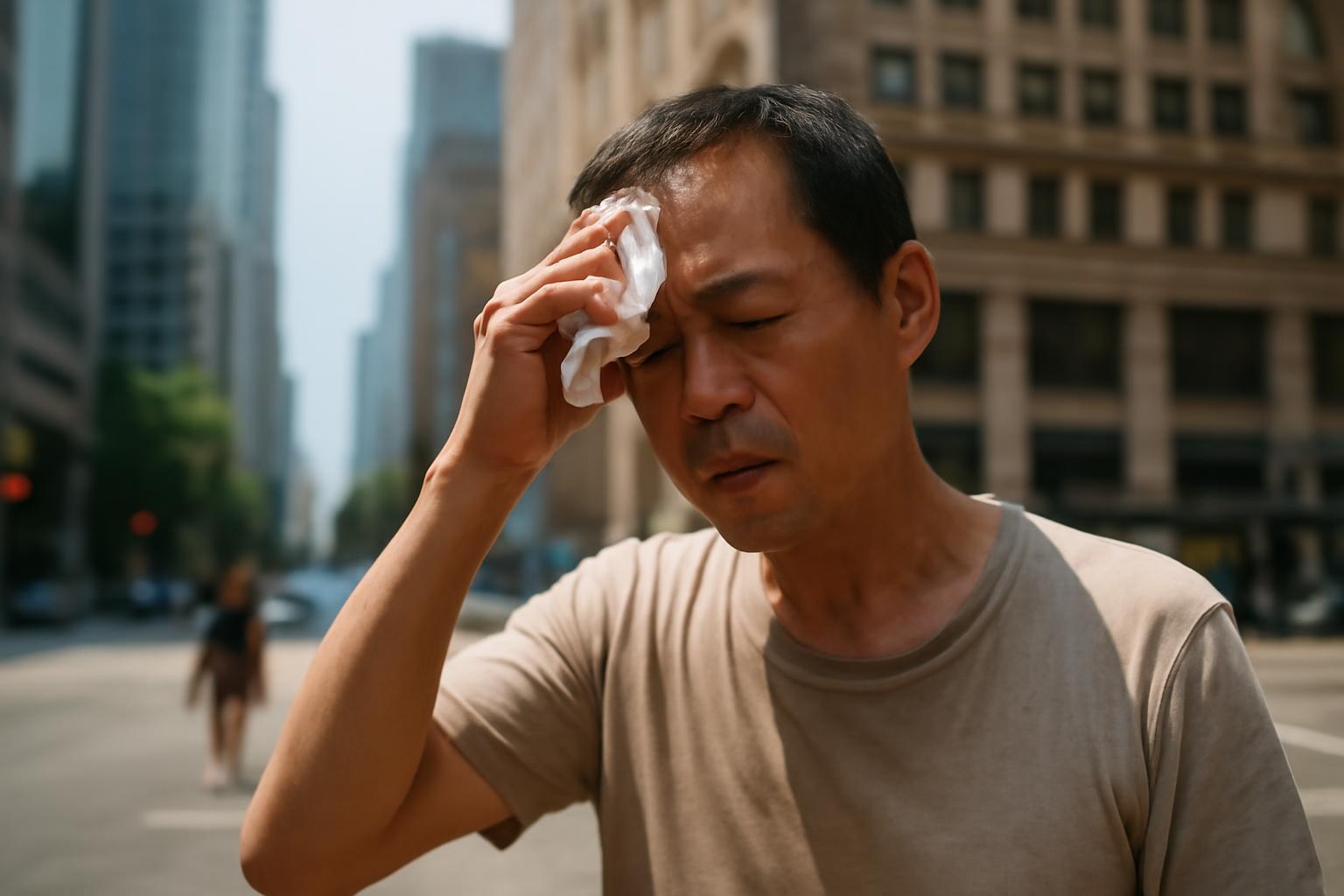
극심한 더위가 도시에 부담을 준다

게시일:2026-09-04 世界與新聞 Level 2
극심한 더위가 도시에 부담을 준다
01

About This Article

이 기사에 대하여
배경
최근 전 세계 여러 지역에서 기록적인 고온 현상이 나타나고 있습니다. 도시는 콘크리트 건물과 도로가 열을 흡수하기 때문에 주변 지역보다 더 뜨거운 경우가 많습니다. 고온은 에어컨 사용에 따른 전력 소비를 증가시키며, 노인, 야외 근로자, 만성 질환자에게 건강상의 위험을 초래할 수 있습니다.
  • 극심한 더위가 도시 생활에 미치는 영향
  • 전력 및 의료 시스템이 받는 압박
  • 취약한 주민들이 겪는 더 높은 위험
  • 도시의 냉각 및 경보 조치
02

Listen First

먼저 듣기
00:00 / 00:00
03

Reading

기사 읽기
English

Extreme heat is becoming a serious challenge for cities around the world. During a heat wave, temperatures can stay high for several days, especially at night. Concrete buildings and roads absorb heat during the day and release it slowly after sunset. This can make urban neighborhoods hotter than nearby rural areas.

High temperatures affect public health first. Older adults, young children, outdoor workers, and people with health problems face a greater risk of heat illness. Hospitals may receive more patients who feel weak, dizzy, or unable to breathe normally. Officials often advise residents to drink water, stay indoors during the hottest hours, and check on vulnerable neighbors.

Extreme heat also puts pressure on the power system. Many people turn on air conditioners at the same time, so electricity demand rises quickly. If equipment fails, a neighborhood may lose cooling when it needs it most. Water supplies can also face stress because residents use more water for drinking, cleaning, and gardens.

Cities are testing different ways to reduce the danger. Some open cooling centers in libraries, schools, or community buildings. Others plant trees, create shaded streets, and use lighter materials on roofs and roads. Early warning messages can give people time to change their plans and protect themselves.

These actions cannot remove every effect of climate change, but they can save lives. City plans work best when they focus on people who have fewer resources, such as those without air conditioning or a safe home. Preparing for extreme heat is now an important part of public safety, not only an environmental goal.

한국어 번역

극심한 더위는 전 세계 도시들이 직면한 심각한 문제가 되고 있습니다. 폭염이 발생하면 특히 밤에도 기온이 며칠 동안 계속 높게 유지될 수 있습니다. 콘크리트 건물과 도로는 낮 동안 열을 흡수하고, 해가 진 뒤에도 열을 천천히 방출합니다. 이로 인해 도시 지역은 인근 농촌 지역보다 더 더워질 수 있습니다.

높은 기온은 먼저 공중 보건에 영향을 미칩니다. 노인, 어린아이, 야외 근로자, 건강 문제가 있는 사람들은 온열 질환에 걸릴 위험이 더 큽니다. 병원에는 몸이 쇠약하거나 어지럽거나 정상적으로 숨을 쉬지 못하는 환자가 더 많이 올 수 있습니다. 당국은 주민들에게 물을 마시고, 가장 더운 시간에는 실내에 머물며, 취약한 이웃의 안부를 확인하라고 자주 권고합니다.

극심한 더위는 전력 시스템에도 부담을 줍니다. 많은 사람이 동시에 에어컨을 켜기 때문에 전력 수요가 빠르게 증가합니다. 장비가 고장 나면 한 지역에서 냉방이 가장 필요한 순간에 전력을 잃을 수 있습니다. 주민들이 마시고, 청소하고, 정원에 물을 주기 위해 더 많은 물을 사용하기 때문에 수도 공급 역시 압박을 받을 수 있습니다.

도시들은 위험을 줄이기 위한 다양한 방법을 시험하고 있습니다. 일부 도시는 도서관, 학교 또는 지역사회 건물에 무더위 쉼터를 엽니다. 다른 도시들은 나무를 심고, 그늘이 있는 거리를 만들며, 지붕과 도로에 더 밝은 색의 자재를 사용합니다. 조기 경보 메시지는 사람들이 계획을 바꾸고 자신을 보호할 시간을 마련해 줄 수 있습니다.

이러한 조치들이 기후 변화의 모든 영향을 없앨 수는 없지만, 생명을 구할 수는 있습니다. 에어컨이 없거나 안전한 집이 없는 사람들처럼 자원이 더 적은 사람들에게 초점을 맞출 때 도시 계획은 가장 효과적으로 작동합니다. 이제 극심한 더위에 대비하는 일은 단순한 환경 목표가 아니라 공공 안전의 중요한 부분입니다.

04

Key Words

핵심 단어·구
5 개
05

Expressions

관용 표현
5 개
06

Practice

이해도 테스트
5 문항 +토론 3문항
0 /0문항

1 Why can urban neighborhoods be hotter than rural areas?
정답입니다. 오답입니다. 정답은 초록색으로 표시했습니다.
2 Who faces a greater risk of heat illness?
정답입니다. 오답입니다. 정답은 초록색으로 표시했습니다.
3 Why does electricity demand rise during extreme heat?
정답입니다. 오답입니다. 정답은 초록색으로 표시했습니다.
4 Where may cities open cooling centers?
정답입니다. 오답입니다. 정답은 초록색으로 표시했습니다.
5 Which action can reduce heat danger?
정답입니다. 오답입니다. 정답은 초록색으로 표시했습니다.

Discussion

질문과 토론
3 문항

아래 질문에는 정답이 없습니다. 영어로 자신의 생각을 한 문항당 3~5문장으로 말해 보세요.

  1. 1 What do you usually do to protect yourself during very hot weather?
  2. 2 Which city action against extreme heat would be most useful in your area, and why?
  3. 3 Why might some people be more affected by heat than others?