
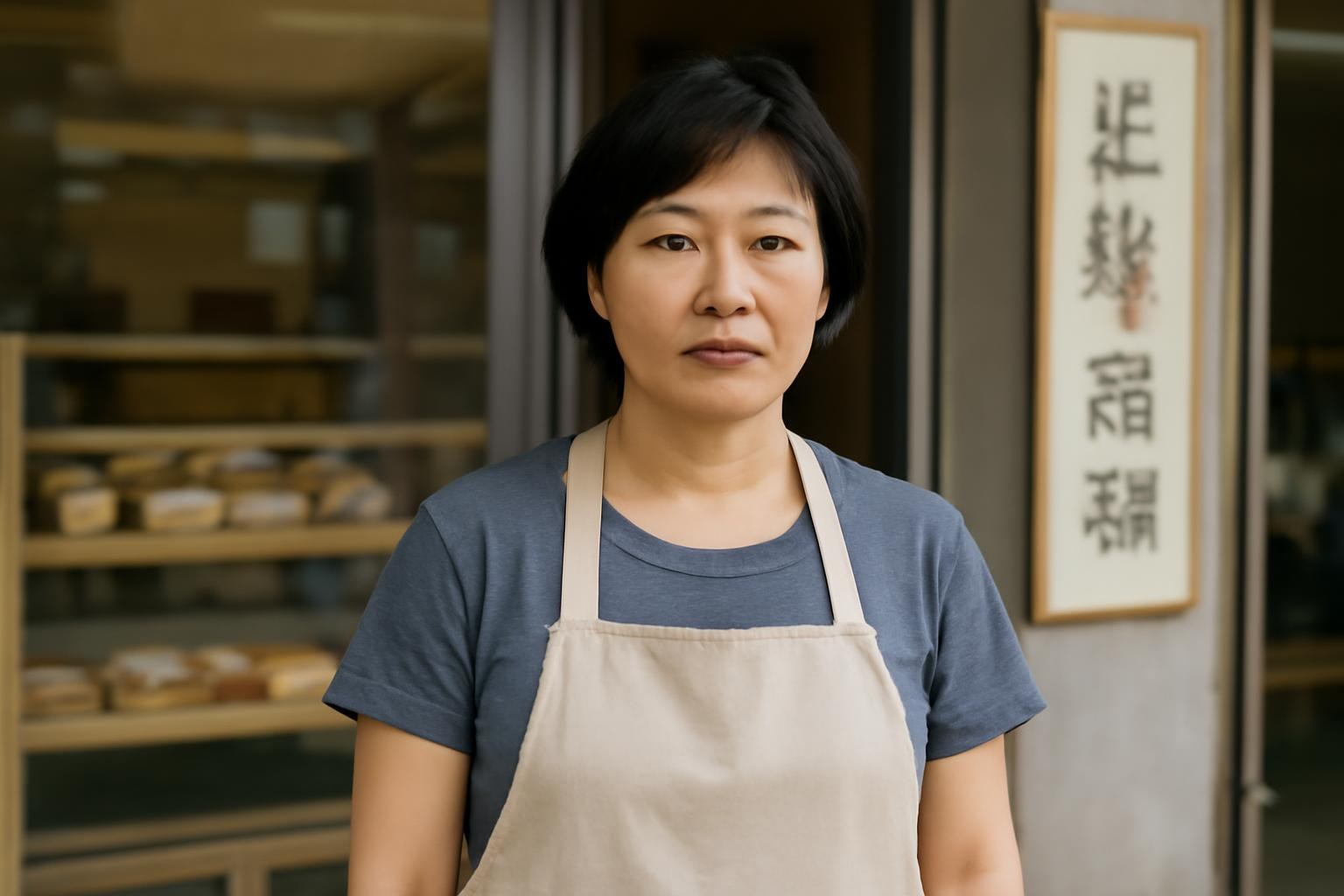
When Typhoon Maria made landfall last August, the coastal city of Taitung was left breathless. The gale-force winds, measured at gusts exceeding 200 kilometres per hour, swept through the streets like a hawk diving on its prey. Buildings quaked as the howl of the storm filled the night air, and some walls cracked by as much as eight centimetres. Among the hardest-hit spots was a local bakery, beloved for its juicy pineapple cakes, which was left in ruins.
Lin Mei-hua, a 32-year-old former pianist, refused to wait for outside help. Outspoken and resourceful, she had long been an explorer of community issues, often voicing the drawbacks of slow government response at public forums. Not waiting for others to take the lead, she decided to take a break from her grief and begin the hard work of rebuilding. She resolved to rewrite the town's story—not as a tale of despair, but as one of resilience.
Her first step was to reopen the damaged bakery. Lin tailored a volunteer recruitment program to bring in local residents with a wide range of skills, from cooks and drivers to a barber who offered free haircuts to job seekers. Like a hawk, she kept close watch on every detail of the reopening process. Within a month, the bakery's signature pineapple cakes were back on the shelves, helping woo both tourists and local neighbors back to the neighborhood.
Not everything went smoothly. Some local officials misunderstood Lin's motives, claiming she was trying to woo media attention rather than address deeper structural problems. The main drawback of her approach, critics argued, was that it focused on small gestures rather than large-scale policy change. However, Lin remained calm and patient. "People often misunderstand outspoken voices," she told a reporter. "As a result of staying steady, more and more volunteers came forward to join our effort."
Support grew quickly from there. A talented pianist named Jian organized a free outdoor concert that left audiences breathless with emotion. Community members began to paddle through their challenges together, pushing against the waves of difficulty that still surrounded the town. An outspoken explorer-journalist from Taipei, known for her bold environmental reporting, came to document the story. She later wrote that Lin's work had amazed her in a way few stories ever had.
Several tech companies soon arrived, eager to woo Lin's team with large funding offers. However, she was careful not to let outside investors rewrite the community-driven spirit of the project. "I want this dream to come true for the people of Taitung," she told reporters, "not for corporations looking for a good headline." She had the project team review each proposal carefully, accepting only partnerships that put residents' needs first.
Today, Lin's recovery model has been adopted in three other typhoon-affected regions across Taiwan. As a result, she has been invited to speak at international forums on disaster recovery. Not resting on her success, she continues to explore new ways to support those still in the process of rebuilding. Her story is proof that when determined individuals refuse to be silenced by a gale of obstacles, entire communities can find the courage to begin again.