
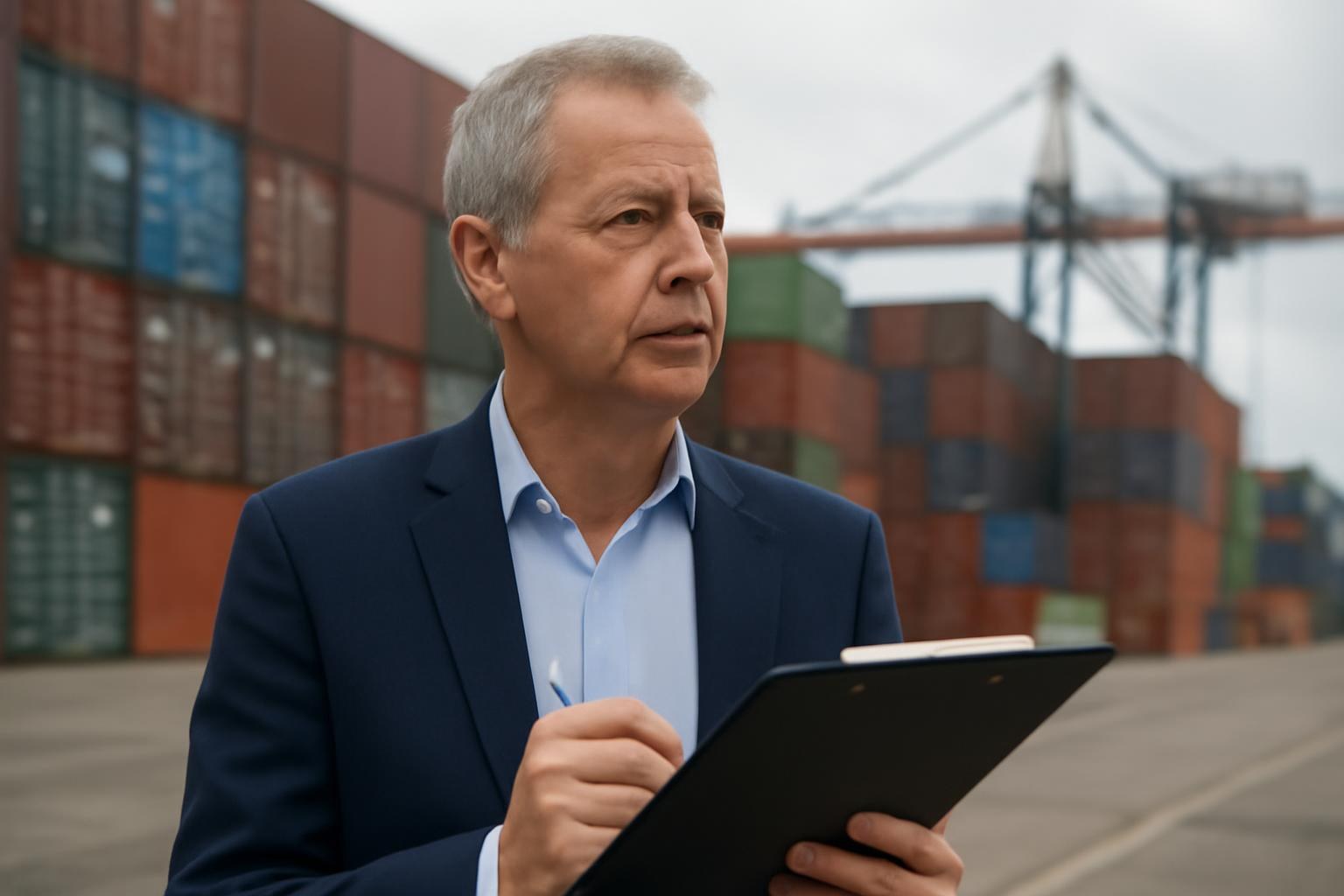
New U.S. tariffs are changing the way many companies think about global trade. A tariff is a tax placed on goods coming into a country. The importer usually pays it first, but the cost may later appear in prices for stores, businesses, and consumers.
In 2025, the Trump administration announced broad tariffs on products from many trading partners. The measures included higher duties on goods from China and new duties connected with Canada and Mexico. Some tariffs changed after negotiations, while other plans were delayed, so companies had to watch government announcements closely.
The United States says tariffs can protect local industries and encourage companies to make more products at home. Supporters also say tariffs may give the government a stronger position in talks with other countries. However, making goods in the United States can cost more, especially when factories depend on imported parts.
Other countries have criticized the policy and some have prepared possible responses. If they place tariffs on American products, U.S. exporters may sell fewer goods overseas. This kind of action can become a trade conflict, in which each side raises costs for the other side.
Global supply chains make the effects difficult to predict. A phone, car, or machine may use parts from several countries before it reaches a customer. Companies are therefore looking for new suppliers, changing delivery plans, or keeping more products in storage. The final result will depend on future negotiations, but businesses and consumers are already facing greater uncertainty.