
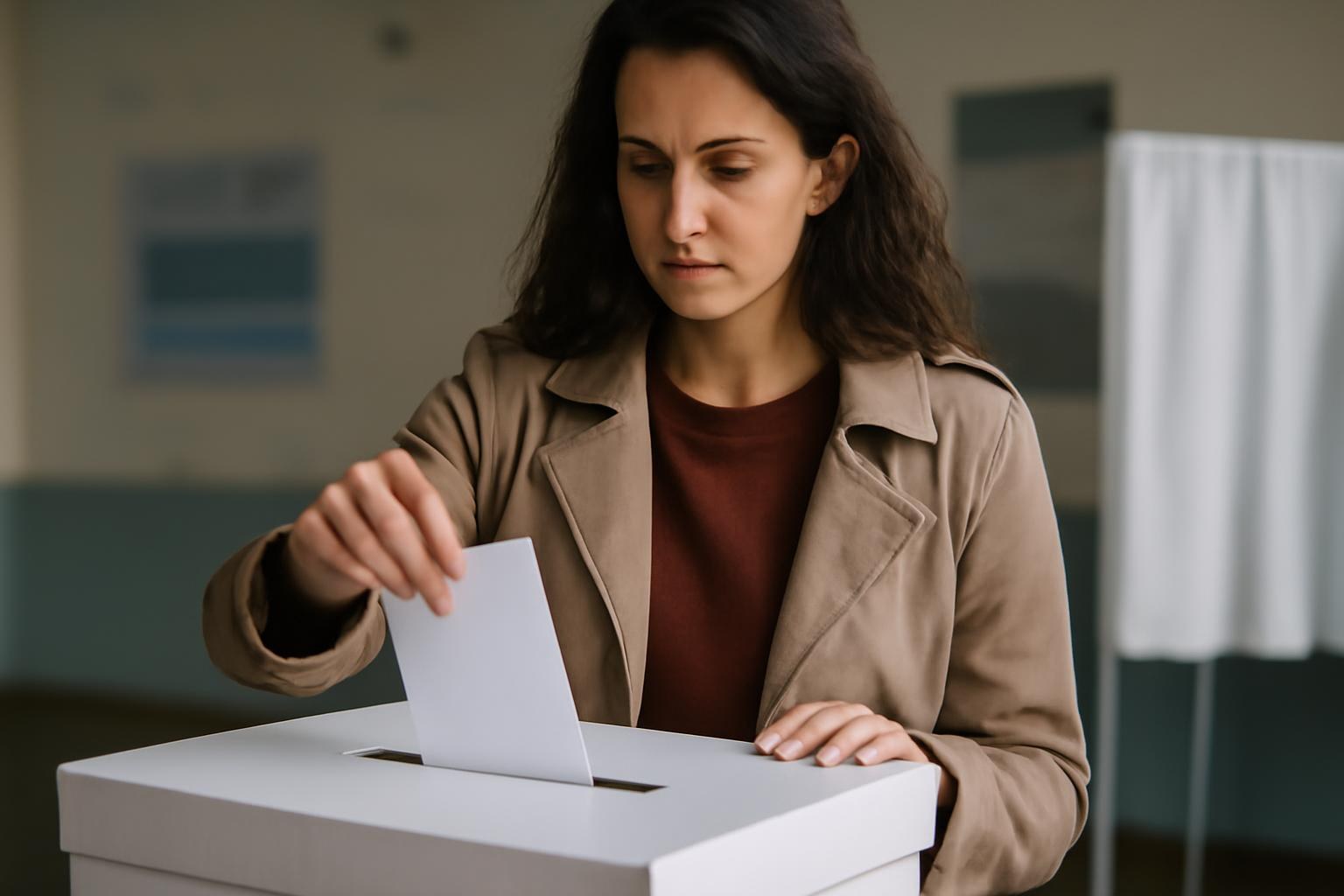
Elections Put Pressure on Governments Around the World

發布日期:2026-09-04 世界與新聞 Level 2
Elections Put Pressure on Governments Around the World
01

About This Article

關於這篇文章
背景
近年許多國家的選舉都受到生活成本、住房、移民與公共服務等議題影響。選舉不只決定誰執政,也會影響政府能否在國會取得多數,以及政黨如何合作推動政策。
  • 選舉結果反映民眾對政府的期待
  • 生活成本成為重要投票議題
  • 少數政府需要尋找合作夥伴
  • 選後政策承諾將受到檢驗
02

Listen First

先聽文章
00:00 / 00:00
03

Reading

閱讀文章
English

Elections are putting pressure on governments in many parts of the world. Voters are asking leaders to deal with high prices, expensive housing, immigration, and public services. These concerns are not limited to one country, so election campaigns often focus on similar daily problems.

Recent elections in countries such as the United Kingdom, France, Germany, and Canada have shown that many voters are willing to change their support. Some established parties have lost seats, while smaller or newer parties have gained attention. The results do not always give one party enough power to govern alone.

When no party wins a majority, leaders must build a coalition or find support from other groups. This can make government slower because partners may disagree about taxes, spending, or immigration. At the same time, cooperation can bring more opinions into the lawmaking process.

Election promises also create pressure after voting ends. Candidates may promise to reduce living costs, improve health care, or make borders more secure. Once they take office, however, they must work with limited budgets, existing laws, and changing economic conditions.

Public trust is another important challenge. People can become disappointed if a government does not keep its promises or if political arguments stop important work. Governments around the world therefore need to explain difficult choices clearly and show practical progress. The next elections will reveal whether voters believe those efforts were successful.

中文翻譯

選舉正在世界許多地區對政府造成壓力。選民要求領導人處理高物價、昂貴住房、移民與公共服務等問題。這些疑慮不只存在於一個國家,因此選舉活動常常聚焦於相似的日常問題。

英國、法國、德國與加拿大等國家最近的選舉顯示,許多選民願意改變支持的對象。一些傳統政黨失去席次,而規模較小或較新的政黨受到更多關注。選舉結果不一定會讓單一政黨取得獨自執政所需的權力。

當沒有政黨贏得過半席次時,領導人必須組成聯合政府,或尋求其他團體的支持。這可能讓政府運作變慢,因為合作夥伴可能在稅收、支出或移民議題上意見不同。同時,合作也能讓更多意見進入立法過程。

選舉承諾也會在投票結束後帶來壓力。候選人可能承諾降低生活成本、改善醫療,或讓邊境更安全。然而,一旦上任,他們就必須面對有限預算、現有法律與不斷變化的經濟情況。

公共信任是另一項重要挑戰。如果政府沒有實現承諾,或政治爭論阻礙重要工作,民眾可能會感到失望。因此,世界各地的政府需要清楚解釋困難的選擇,並展現實際進展。下一次選舉將顯示選民是否相信這些努力成功。

04

Key Words

重點詞彙片語
5 個
05

Expressions

慣用句
5 則
06

Practice

課後測驗
5 題 +討論 3 題
0 /0 題

1 What issues are voters asking governments to handle?
答對了! 答錯了,正確答案以綠色標示。
2 What has happened to some established parties in recent elections?
答對了! 答錯了,正確答案以綠色標示。
3 What may leaders do when no party wins a majority?
答對了! 答錯了,正確答案以綠色標示。
4 Why can government work become slower in a coalition?
答對了! 答錯了,正確答案以綠色標示。
5 What can happen if governments do not keep their promises?
答對了! 答錯了,正確答案以綠色標示。

Discussion

問題與討論
3 題

以下問題沒有標準答案,請試著用英文說出自己的想法,一題講三到五句話。

  1. 1 Which issue should your government focus on most in its next election? Give reasons.
  2. 2 Why can it be difficult for a coalition government to make decisions?
  3. 3 How can a government build and maintain public trust after an election?