
From Disaster to Harmony: An Italian Model for Community Recovery

發布日期:2026-09-05 高中英文篇 Level 3
From Disaster to Harmony: An Italian Model for Community Recovery
01

About This Article

關於這篇文章
背景
義大利地震頻繁,近年的數場地震造成嚴重的人員傷亡與財物損失。在實質援助之外,心理與社區層面的復原同樣重要,卻常被忽視。本篇以義大利南部某地震災區的情境為背景,介紹一個由地方主教發起、以音樂連結倖存者的自願計畫。文章難度符合多益 600~795 分的中高級水準,適合練習閱讀時事報導及了解公民社會的相關詞彙。
  • 義大利地震後,傳統救援行動難以撫平倖存者的心理創傷
  • 主教從不同角度出發,發起以音樂為核心的自願性社區計畫
  • 倖存者加入弦樂團,在音樂中找到療癒與彼此的連結
  • 主辦方通融法規,將受損廣場成功改建為演出場地
  • 合作專輯激勵更多社區,計畫持續擴展影響力
02

Listen First

先聽文章
00:00 / 00:00
03

Reading

閱讀文章
English

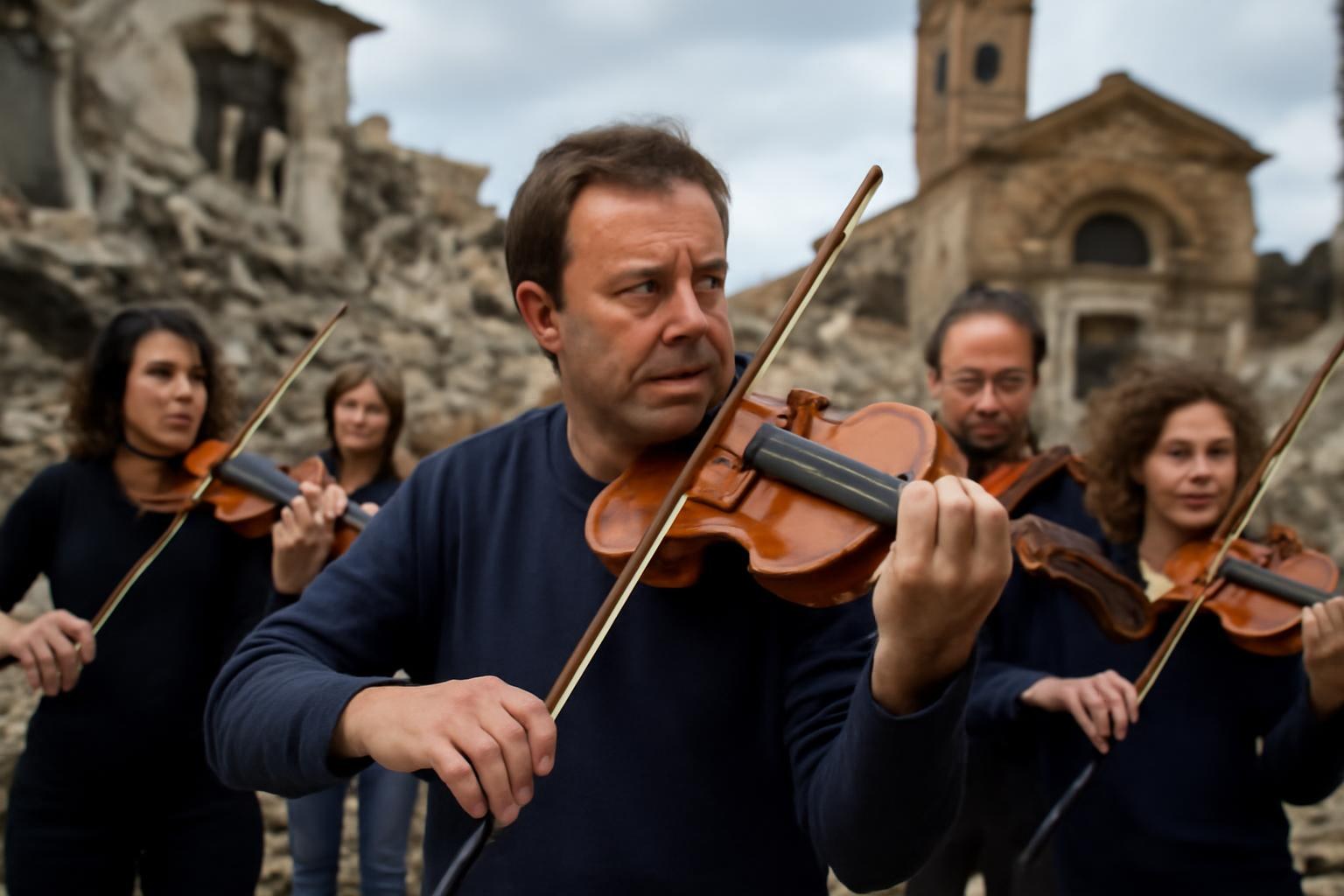
A string of devastating earthquakes struck southern Italy approximately two years ago, leaving thousands of families without shelter and forcing many to bury their most treasured possessions under layers of rubble. The disaster transformed quiet villages into scenes of grief and loss, and conventional relief efforts alone seemed insufficient to heal the deep wounds left behind.

A local bishop, known for his holy mission to assist the most vulnerable, chose to view the situation from a different angle. Rather than relying solely on financial aid, he inspired a group of musicians to launch a voluntary community program. Instead of following the conventional approach of simply providing donations, the project encouraged survivors to take part in a creative recovery initiative built around the power of music.

The program began with a small string ensemble and grew to include approximately eighty members within its first year. Many participants had lost nearly every possession they owned, yet they found joy in the pure act of creating music together. A professional therapist was brought in to analyze the emotional progress of the group, and the results were striking. Even those who showed only a slight interest at first soon found themselves fully engaged.

The organizers worked hard to bend government restrictions that limited the use of public spaces. They argued that the arrival of such voluntary cultural programs was essential for long-term healing. By collaborating with local officials, they managed to transform a damaged town square into a vibrant outdoor performance venue. Their first concert drew Italian artists and community leaders from across the region.

The group later released a collaborative album to raise funds and share their remarkable journey with a broader audience. The album was intended to inspire other communities facing similar hardships. Only when people truly take part in the recovery process do they realize the extraordinary power of collective effort. The success of the album allowed the project to expand its reach to neighboring towns still struggling to rebuild.

Many participants said they would rather rebuild their lives through art than bury themselves in despair and grief. The more they practiced together, the stronger their bonds became. Organizers also encouraged members to turn off their electronic devices during rehearsals, creating a space focused entirely on human connection and shared purpose.

Today, the Italian project stands as a model for disaster recovery that goes beyond material assistance. By approaching the healing process from a cultural angle rather than a purely economic one, the program has demonstrated that pure human connection can be as powerful as any financial aid package. The story continues to inspire communities around the world to find creative paths forward in the aftermath of tragedy.

中文翻譯

大約兩年前,義大利南部連遭一連串毀滅性地震,數千個家庭因此失去住所,許多人被迫將最珍貴的財物埋藏在瓦礫之下。這場災難將寧靜的村莊化為哀傷與失落的景象,而傳統的救援行動似乎不足以撫平留下的深重創傷。

當地一位主教以其神聖的使命而聞名,長年致力於協助最弱勢的族群,他選擇從不同的角度看待這個局面。他沒有單靠財務援助,而是激勵一群音樂家發起一項自願性的社區計畫。這項計畫不走傳統的募款老路,而是鼓勵倖存者參與一項以音樂力量為核心的創意復原行動。

計畫一開始只有一個小型弦樂團,但在第一年內便成長至約八十名成員。許多參與者幾乎失去了自己所有的財物,卻在共同創作音樂的純粹過程中找到了喜悅。一位專業治療師受邀分析團隊的情緒進展,結果令人印象深刻。就連起初只有些微興趣的成員,最終也全心投入其中。

主辦方努力爭取,讓政府通融限制公共場地使用的相關規定。他們主張,這類自願性文化計畫的到來對長期療癒至關重要。在與地方官員合作之後,他們成功地將一座受損的城鎮廣場改建成充滿活力的戶外演出場地。首場音樂會吸引了來自義大利各地的藝術家與社區領袖共襄盛舉。

這個團體後來發行了一張合作專輯,藉此募款並將他們的動人旅程分享給更廣大的聽眾。這張專輯旨在激勵其他面臨相似困境的社區。唯有當人們真正參與復原過程,才能體會集體力量的非凡之處。專輯的成功讓計畫得以擴展至鄰近仍在艱難重建的城鎮。

許多學員表示,他們寧願透過藝術重建生活,也不願把自己埋在絕望與悲傷之中。他們練習得越多,彼此之間的羈絆就越深。主辦方也鼓勵成員在排練時關掉電子設備,打造一個完全專注於人與人之間的連結與共同目標的空間。

如今,這個義大利計畫已成為超越物質援助的災後復原典範。透過從文化角度切入療癒過程,而非單純著眼於經濟面,該計畫已證明,純粹的人際連結與任何財務援助包一樣強而有力。這個故事持續激勵著世界各地的社區,在悲劇過後找到充滿創意的前進之路。

04

Key Words

重點詞彙片語
15 個
05

Expressions

慣用句
5 則
06

Practice

課後測驗
8 題 +討論 2 題
0 /0 題

1 What did the local bishop do in response to the earthquake disaster?
答對了! 答錯了,正確答案以綠色標示。
2 How did the organizers manage to use the damaged town square as a performance venue?
答對了! 答錯了,正確答案以綠色標示。
3 What was one result of releasing the collaborative album?
答對了! 答錯了,正確答案以綠色標示。
4 He inspired musicians to launch a community program that relied on willing participants rather than hired professionals.
答對了! 答錯了,正確答案以綠色標示。
5 The program began with a small string ensemble and grew to include eighty members within its first year.
答對了! 答錯了,正確答案以綠色標示。
6 Even those who showed only a interest at first soon found themselves fully engaged in the music program.
答對了! 答錯了,正確答案以綠色標示。
7 Many participants said they would rebuild their lives through art than bury themselves in despair.
答對了! 答錯了,正確答案以綠色標示。
8 Organizers encouraged members to their electronic devices during rehearsals to focus on human connection.
答對了! 答錯了,正確答案以綠色標示。

Discussion

問題與討論
2 題

以下問題沒有標準答案,請試著用英文說出自己的想法,一題講三到五句話。

  1. 1 The article describes how a voluntary music program helped disaster survivors recover emotionally. Do you think creative activities like music or art can help people heal from emotional pain? Please explain your view and give examples from your own experience or things you have learned about.
  2. 2 The participants turned off their electronic devices during rehearsals to focus on connection and shared purpose. How much time do you spend on electronic devices each day, and do you think reducing screen time could improve your focus or relationships? Why or why not?