
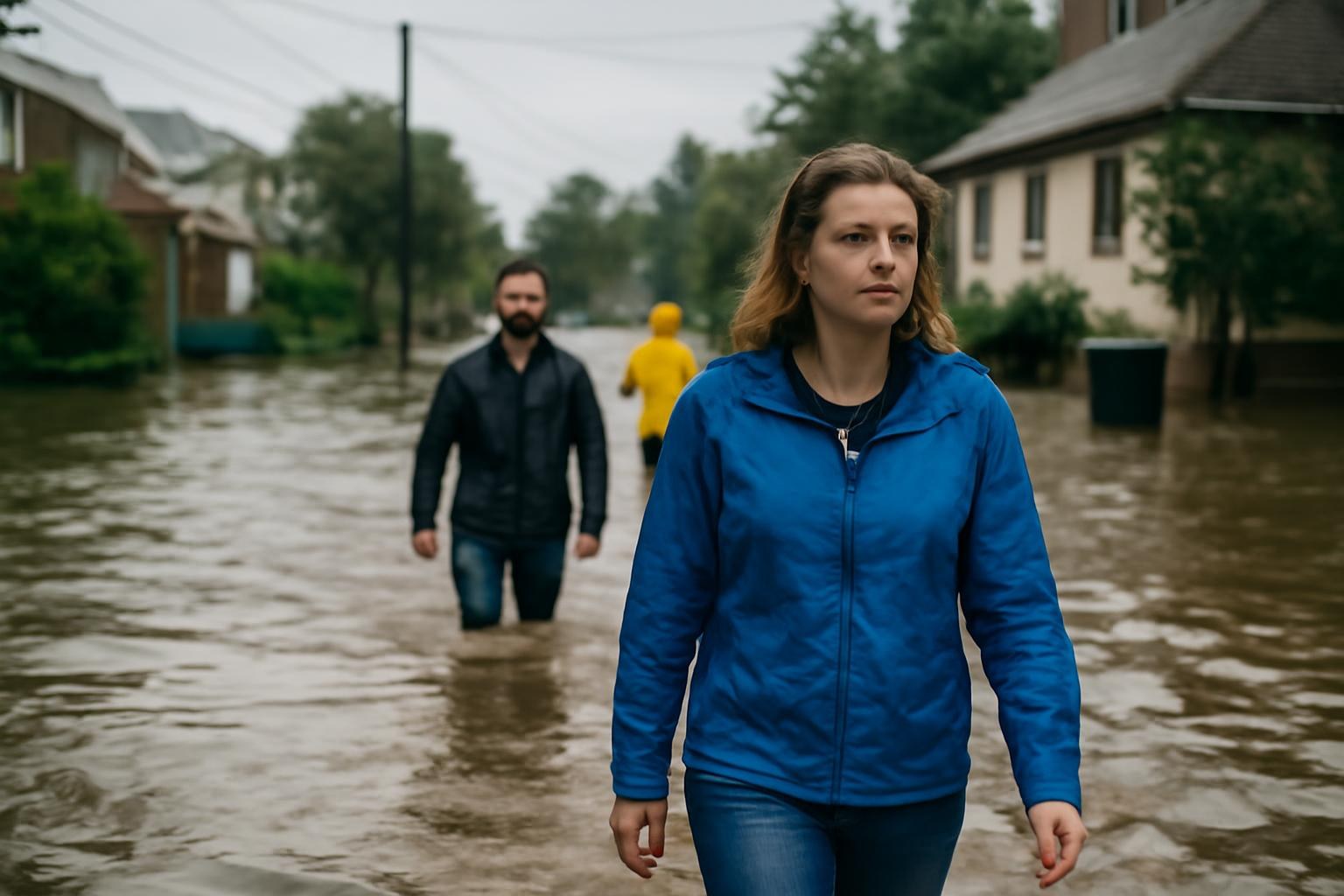
Extreme weather is becoming a serious problem in many parts of the world. Some places have longer heat waves, while others face stronger storms and heavier rain. Scientists say that a warmer planet can make some weather events more likely or more powerful. This does not mean that every storm is caused by climate change, but the overall pattern is worrying.
People are already changing the way they live because of these conditions. During a heat wave, schools may change their schedules, and older people are told to stay indoors during the hottest hours. Heavy rain can flood roads and homes, so cities need better drains and clear plans for emergencies. Farmers may also need different crops that can survive less water or higher temperatures.
Families can take simple steps to prepare. They can keep drinking water, flashlights, medicine, and important phone numbers in an easy-to-find place. Before a storm, people should check official warnings and move loose objects away from windows. It is also helpful to know where the nearest safe building or emergency shelter is located.
Preparation is important, but reducing pollution is important too. Cars, factories, and power stations release greenhouse gases when they burn fossil fuels. Saving electricity, taking public transportation, and using renewable energy can reduce these emissions over time. One person's action may seem small, but millions of small actions can create a meaningful change.
We may not be able to stop every dangerous weather event, but we can become more resilient. A resilient community learns from past disasters and improves its systems after each one. Neighbors can check on people who live alone and help one another during a power failure. By preparing today and protecting the environment, we can build safer lives in a changing climate.