
私たちはより極端な天候と共存できるのでしょうか?

公開日:2026-09-02 國中英語篇 Level 2
私たちはより極端な天候と共存できるのでしょうか?
01

About This Article

この記事について
背景
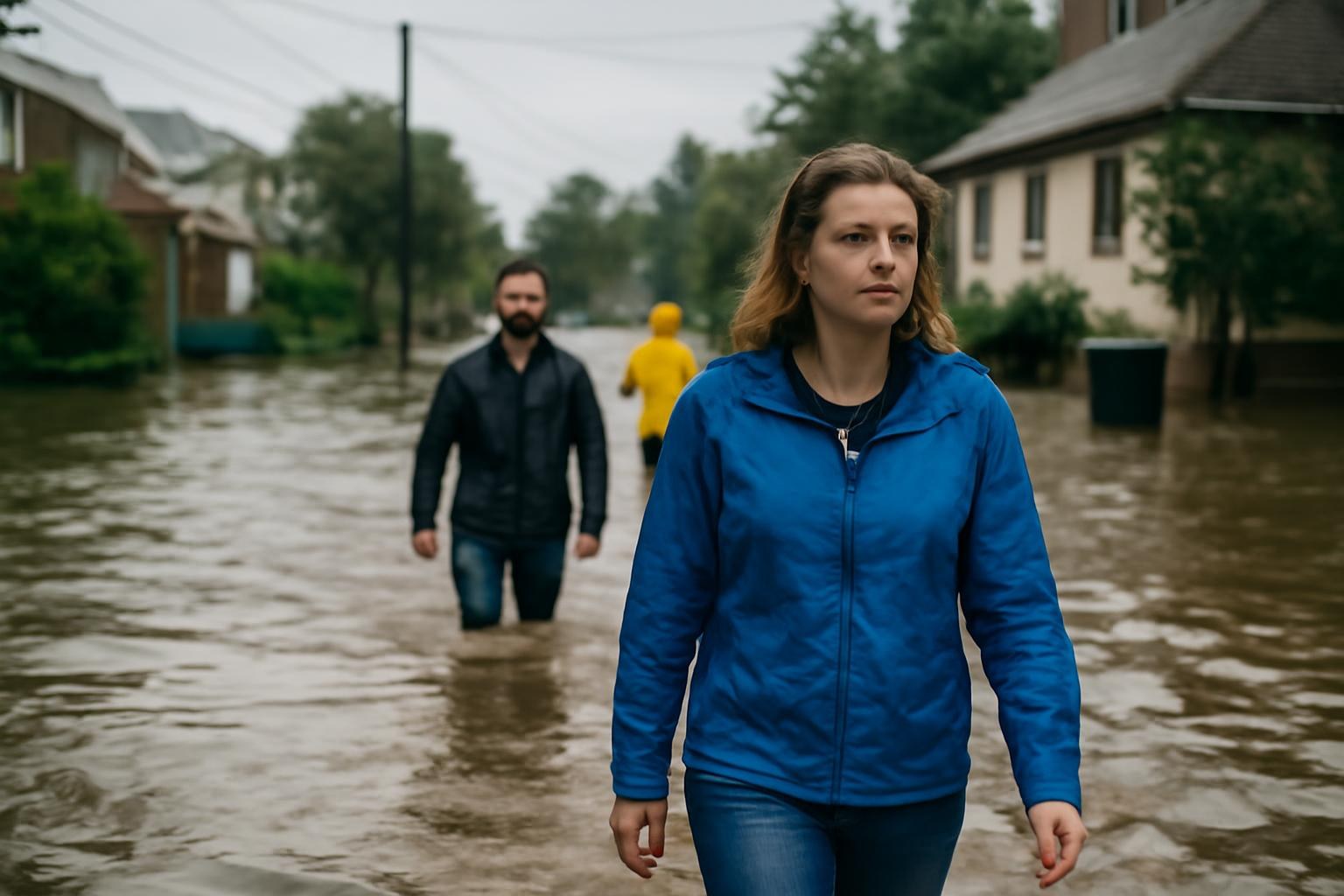
近年、多くの地域で、より頻繁な熱波や大雨、干ばつ、強い台風が発生しています。極端な天候は自然環境だけでなく、交通、健康、農業、家庭生活にも影響を与えるため、政府、地域社会、個人が協力して備える必要があります。
  • 極端な天候が世界各地で増加している
  • 都市は排水システムと避難システムを改善する必要がある
  • 個人は緊急用品を準備し、エネルギーを節約できる
  • 地域社会の協力によって災害の被害を減らせる
02

Listen First

まず聞く
00:00 / 00:00
03

Reading

記事を読む
English

Extreme weather is becoming a serious problem in many parts of the world. Some places have longer heat waves, while others face stronger storms and heavier rain. Scientists say that a warmer planet can make some weather events more likely or more powerful. This does not mean that every storm is caused by climate change, but the overall pattern is worrying.

People are already changing the way they live because of these conditions. During a heat wave, schools may change their schedules, and older people are told to stay indoors during the hottest hours. Heavy rain can flood roads and homes, so cities need better drains and clear plans for emergencies. Farmers may also need different crops that can survive less water or higher temperatures.

Families can take simple steps to prepare. They can keep drinking water, flashlights, medicine, and important phone numbers in an easy-to-find place. Before a storm, people should check official warnings and move loose objects away from windows. It is also helpful to know where the nearest safe building or emergency shelter is located.

Preparation is important, but reducing pollution is important too. Cars, factories, and power stations release greenhouse gases when they burn fossil fuels. Saving electricity, taking public transportation, and using renewable energy can reduce these emissions over time. One person's action may seem small, but millions of small actions can create a meaningful change.

We may not be able to stop every dangerous weather event, but we can become more resilient. A resilient community learns from past disasters and improves its systems after each one. Neighbors can check on people who live alone and help one another during a power failure. By preparing today and protecting the environment, we can build safer lives in a changing climate.

日本語訳

極端な天候は、世界の多くの地域で深刻な問題になっています。熱波が長期化している場所もあれば、より強い嵐や激しい雨に見舞われている場所もあります。科学者たちは、地球が温暖化すると、一部の気象現象が起こりやすくなったり、より強力になったりする可能性があると述べています。これは、すべての嵐が気候変動によって引き起こされているという意味ではありませんが、全体的な傾向は心配なものです。

人々は、こうした状況のために、すでに暮らし方を変えています。熱波の間は、学校が予定を変更することがあり、高齢者には最も暑い時間帯に屋内にいるよう伝えられます。激しい雨によって道路や家が浸水することがあるため、都市にはより良い排水システムと、緊急時の明確な計画が必要です。農家もまた、より少ない水や高い気温に耐えられる別の作物を必要とするかもしれません。

家庭でも、簡単な対策を取って備えることができます。飲料水、懐中電灯、薬、重要な電話番号を、見つけやすい場所に置いておくとよいでしょう。嵐の前には、公式の警報を確認し、窓の近くにある飛ばされやすい物を移動させるべきです。また、最寄りの安全な建物や緊急避難所がどこにあるかを知っておくことも役立ちます。

備えは重要ですが、汚染を減らすことも同じように重要です。自動車、工場、発電所は、化石燃料を燃やすと温室効果ガスを排出します。電力を節約し、公共交通機関を利用し、再生可能エネルギーを使うことで、時間をかけてこうした排出を減らせます。一人の行動は小さく見えるかもしれませんが、何百万もの小さな行動が意味のある変化を生み出すことができます。

私たちは、危険な気象現象をすべて止めることはできないかもしれませんが、よりレジリエントになることはできます。レジリエントな地域社会は、過去の災害から学び、災害が起こるたびにその仕組みを改善します。近所の人たちは、一人暮らしの人の様子を確認したり、停電の際に助け合ったりできます。今日から備え、環境を守ることで、変化する気候の中でも、より安全な暮らしを築くことができます。

04

Key Words

重要単語・フレーズ
3 件
05

Expressions

慣用表現
3 件
06

Practice

理解度テスト
9 問 +ディスカッション 3 問
0 /0 問

1 Why do cities need better drains?
正解です。 不正解です。正解は緑色で示しています。
2 What should families keep in an easy-to-find place?
正解です。 不正解です。正解は緑色で示しています。
3 How can neighbors help during a power failure?
正解です。 不正解です。正解は緑色で示しています。
4 Some places have longer waves.
正解です。 不正解です。正解は緑色で示しています。
5 We can build safer lives in a changing by preparing today.
正解です。 不正解です。正解は緑色で示しています。
6 Cars and factories release greenhouse gases when they burn fossil fuels, causing more over time.
正解です。 不正解です。正解は緑色で示しています。
7 Older people are told stay indoors during the hottest hours.
正解です。 不正解です。正解は緑色で示しています。
8 People should move loose objects away windows before a storm.
正解です。 不正解です。正解は緑色で示しています。
9 A resilient community learns past disasters.
正解です。 不正解です。正解は緑色で示しています。

Discussion

質問とディスカッション
3 問

以下の問いに正解はありません。英語で自分の考えを、1 問につき 3〜5 文で話してみましょう。

  1. 1 What kinds of extreme weather have you experienced, and how did they affect your daily life?
  2. 2 What should schools and families do to prepare for a serious storm or heat wave?
  3. 3 Which action can people take to reduce pollution in their community? Explain your answer.