
Can We Live with More Extreme Weather?

發布日期:2026-09-02 國中英語篇 Level 2
Can We Live with More Extreme Weather?
01

About This Article

關於這篇文章
背景
近年來,許多地區經歷更頻繁的熱浪、暴雨、乾旱與強烈颱風。極端天氣不只影響自然環境,也會影響交通、健康、農業與家庭生活,因此政府、社區和個人都需要一起準備。
  • 極端天氣正在世界各地增加
  • 城市需要改善排水與避難系統
  • 個人可以準備緊急用品並節省能源
  • 社區合作能降低災害帶來的傷害
02

Listen First

先聽文章
00:00 / 00:00
03

Reading

閱讀文章
English

Extreme weather is becoming a serious problem in many parts of the world. Some places have longer heat waves, while others face stronger storms and heavier rain. Scientists say that a warmer planet can make some weather events more likely or more powerful. This does not mean that every storm is caused by climate change, but the overall pattern is worrying.

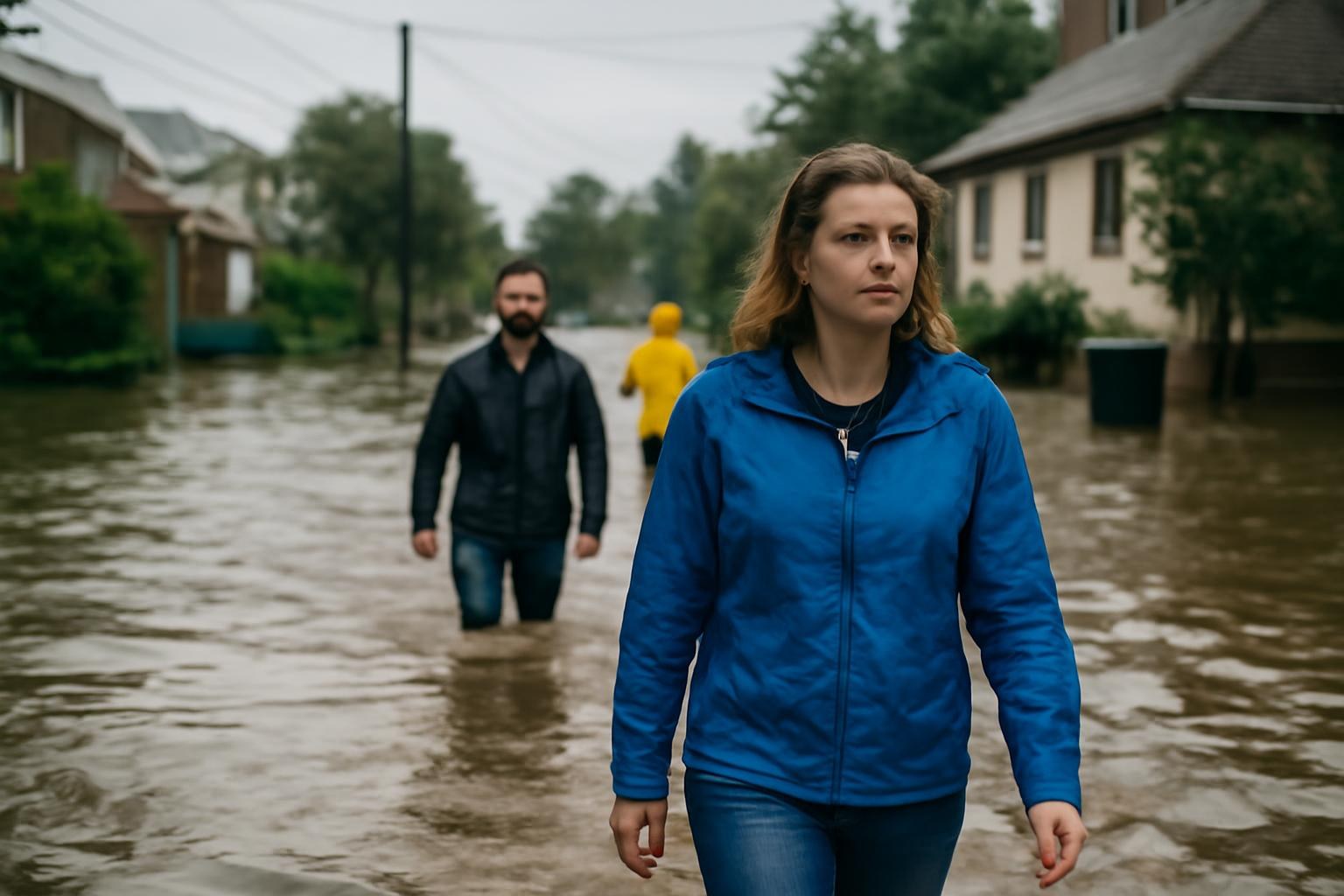
People are already changing the way they live because of these conditions. During a heat wave, schools may change their schedules, and older people are told to stay indoors during the hottest hours. Heavy rain can flood roads and homes, so cities need better drains and clear plans for emergencies. Farmers may also need different crops that can survive less water or higher temperatures.

Families can take simple steps to prepare. They can keep drinking water, flashlights, medicine, and important phone numbers in an easy-to-find place. Before a storm, people should check official warnings and move loose objects away from windows. It is also helpful to know where the nearest safe building or emergency shelter is located.

Preparation is important, but reducing pollution is important too. Cars, factories, and power stations release greenhouse gases when they burn fossil fuels. Saving electricity, taking public transportation, and using renewable energy can reduce these emissions over time. One person's action may seem small, but millions of small actions can create a meaningful change.

We may not be able to stop every dangerous weather event, but we can become more resilient. A resilient community learns from past disasters and improves its systems after each one. Neighbors can check on people who live alone and help one another during a power failure. By preparing today and protecting the environment, we can build safer lives in a changing climate.

中文翻譯

極端天氣在世界許多地方正成為嚴重的問題。有些地方的熱浪持續更久,另一些地方則面臨更強的暴風雨與更大的雨量。科學家表示,較溫暖的地球可能讓某些天氣事件更容易發生,或使它們變得更強烈。這不代表每一場暴風雨都是氣候變遷造成的,但整體趨勢令人擔心。

人們已經因為這些情況而改變生活方式。在熱浪期間,學校可能調整作息,也會告訴年長者在最熱的時段待在室內。大雨可能淹沒道路與房屋,因此城市需要更好的排水系統和清楚的緊急計畫。農民也可能需要種植能在較少水分或較高溫度下生存的不同作物。

家庭可以採取簡單的準備措施。他們可以把飲用水、手電筒、藥品和重要電話號碼放在容易找到的地方。暴風雨前,人們應查看官方警報,並將窗戶附近容易被風吹動的物品移開。知道最近的安全建築物或緊急避難所在哪裡,也很有幫助。

準備很重要,但減少污染也同樣重要。汽車、工廠和發電廠燃燒化石燃料時會排放溫室氣體。節省電力、搭乘大眾運輸,以及使用再生能源,都能隨時間減少這些排放。一個人的行動看似很小,但數百萬個小行動可以帶來有意義的改變。

我們也許無法阻止每一個危險的天氣事件,但可以變得更有韌性。有韌性的社區會從過去的災害中學習,並在每次災害後改善系統。鄰居可以關心獨居者,並在停電時互相幫助。透過今天開始準備並保護環境,我們能在不斷變化的氣候中建立更安全的生活。

04

Key Words

重點詞彙片語
3 個
05

Expressions

慣用句
3 則
06

Practice

課後測驗
9 題 +討論 3 題
0 /0 題

1 Why do cities need better drains?
答對了! 答錯了,正確答案以綠色標示。
2 What should families keep in an easy-to-find place?
答對了! 答錯了,正確答案以綠色標示。
3 How can neighbors help during a power failure?
答對了! 答錯了,正確答案以綠色標示。
4 Some places have longer waves.
答對了! 答錯了,正確答案以綠色標示。
5 We can build safer lives in a changing by preparing today.
答對了! 答錯了,正確答案以綠色標示。
6 Cars and factories release greenhouse gases when they burn fossil fuels, causing more over time.
答對了! 答錯了,正確答案以綠色標示。
7 Older people are told stay indoors during the hottest hours.
答對了! 答錯了,正確答案以綠色標示。
8 People should move loose objects away windows before a storm.
答對了! 答錯了,正確答案以綠色標示。
9 A resilient community learns past disasters.
答對了! 答錯了,正確答案以綠色標示。

Discussion

問題與討論
3 題

以下問題沒有標準答案,請試著用英文說出自己的想法,一題講三到五句話。

  1. 1 What kinds of extreme weather have you experienced, and how did they affect your daily life?
  2. 2 What should schools and families do to prepare for a serious storm or heat wave?
  3. 3 Which action can people take to reduce pollution in their community? Explain your answer.