
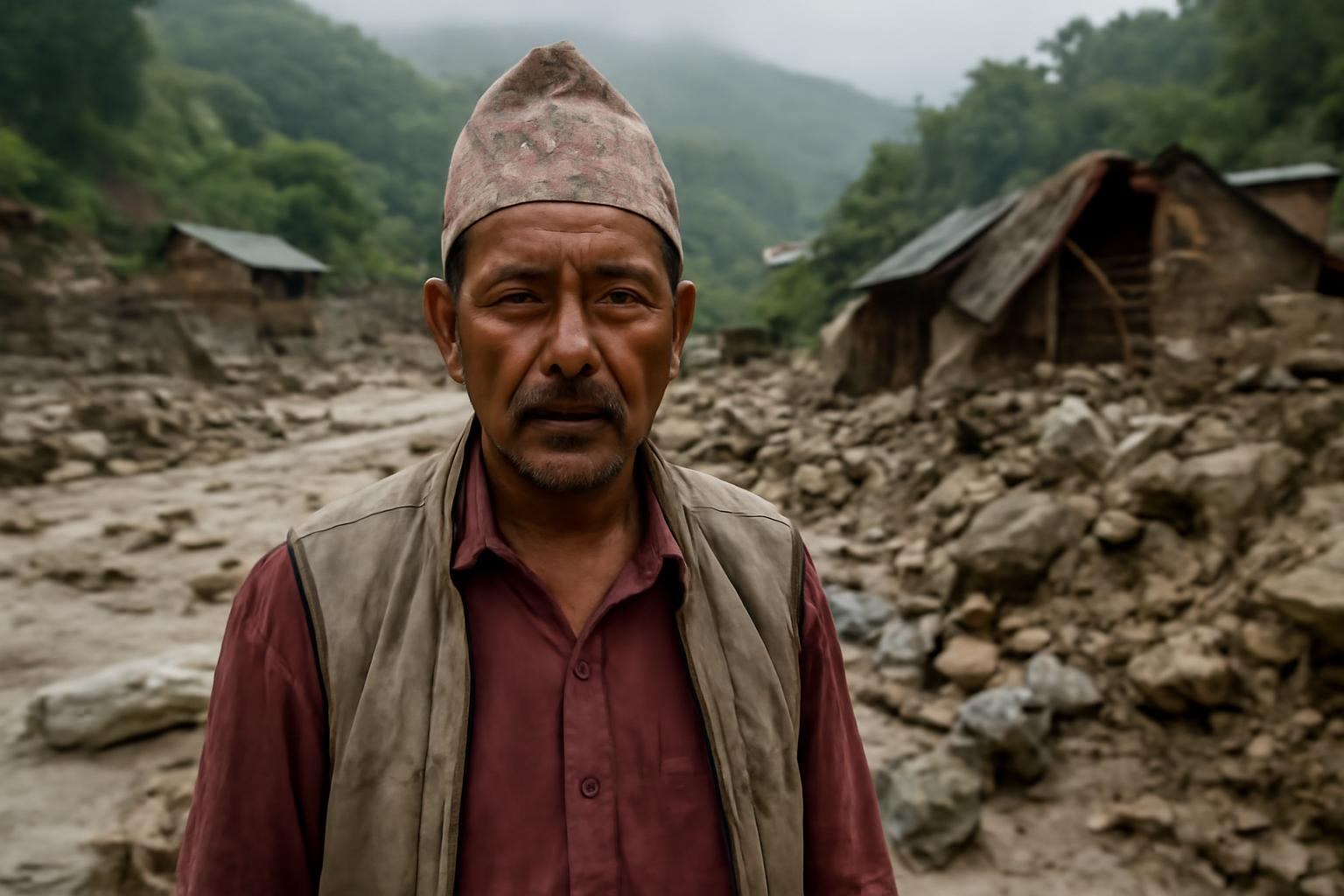
Heavy rain in Nepal has renewed concern about the country's disaster risks and changing climate. In August 2026, severe rainfall caused floods and landslides in several areas, including parts of the Kathmandu Valley. Roads, bridges, homes, and other infrastructure were damaged, while many families had to leave dangerous places.
Nepal is especially exposed because much of the country is mountainous. People live near rivers, on steep hillsides, and in narrow valleys. When rain falls very heavily, water can rise quickly and loose soil can move down a slope. A disaster may block roads at the same time that communities need help.
Climate experts say a warmer atmosphere can hold more moisture, which may increase the strength of some heavy-rain events. This does not mean that every flood has one simple cause. However, repeated floods and landslides are making officials ask whether old safety plans are strong enough for future weather.
The disaster also showed the importance of land use and public information. Building on floodplains or unstable slopes can place more people in danger. Early warnings, reliable weather information, and safe evacuation areas can help families act before conditions become worse. Local governments need enough staff and equipment to share these warnings quickly.
Recovery will take time, especially for families who lose homes, work, or access to schools. Rebuilding roads alone will not solve the problem if the same areas remain unsafe. Nepal faces the difficult task of supporting affected communities while preparing for more climate-related hazards. Better planning, stronger infrastructure, and cooperation between local and national agencies can reduce future losses.