
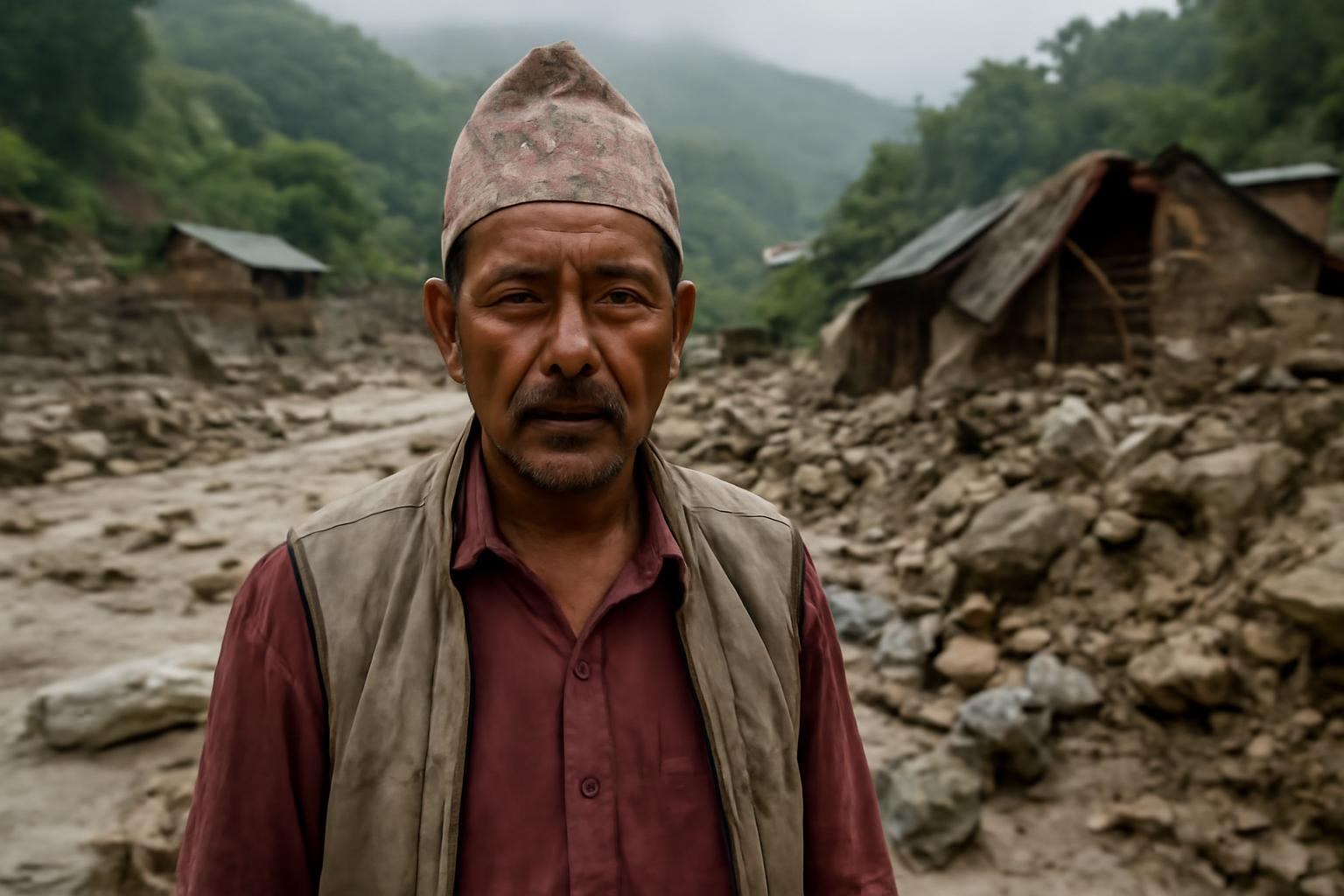
네팔 재난, 새로운 기후 우려를 높이다

게시일:2026-09-04 世界與新聞 Level 2
네팔 재난, 새로운 기후 우려를 높이다
01

About This Article

이 기사에 대하여
배경
네팔은 산악 지형이 많고, 많은 지역 공동체가 강 계곡이나 가파른 산비탈에 자리 잡고 있습니다. 2026년 8월에는 카트만두 계곡 등을 비롯한 여러 지역에 집중호우가 발생해 홍수와 산사태가 일어났습니다. 이로 인해 인명 피해와 기반 시설 손상이 발생했으며, 기후 변화와 재난 대응 역량이 다시 주목받고 있습니다.
  • 네팔의 홍수와 산사태가 심각한 피해를 초래함
  • 극심한 강우로 재난 위험이 증가함
  • 외딴 지역의 구조와 복구가 더욱 어려움
  • 전문가들이 조기 경보와 토지 이용 계획 개선을 촉구함
02

Listen First

먼저 듣기
00:00 / 00:00
03

Reading

기사 읽기
English

Heavy rain in Nepal has renewed concern about the country's disaster risks and changing climate. In August 2026, severe rainfall caused floods and landslides in several areas, including parts of the Kathmandu Valley. Roads, bridges, homes, and other infrastructure were damaged, while many families had to leave dangerous places.

Nepal is especially exposed because much of the country is mountainous. People live near rivers, on steep hillsides, and in narrow valleys. When rain falls very heavily, water can rise quickly and loose soil can move down a slope. A disaster may block roads at the same time that communities need help.

Climate experts say a warmer atmosphere can hold more moisture, which may increase the strength of some heavy-rain events. This does not mean that every flood has one simple cause. However, repeated floods and landslides are making officials ask whether old safety plans are strong enough for future weather.

The disaster also showed the importance of land use and public information. Building on floodplains or unstable slopes can place more people in danger. Early warnings, reliable weather information, and safe evacuation areas can help families act before conditions become worse. Local governments need enough staff and equipment to share these warnings quickly.

Recovery will take time, especially for families who lose homes, work, or access to schools. Rebuilding roads alone will not solve the problem if the same areas remain unsafe. Nepal faces the difficult task of supporting affected communities while preparing for more climate-related hazards. Better planning, stronger infrastructure, and cooperation between local and national agencies can reduce future losses.

한국어 번역

네팔의 폭우로 인해 이 나라의 재난 위험과 변화하는 기후에 대한 우려가 다시 커졌습니다. 2026년 8월, 카트만두 계곡 일부 지역을 포함한 여러 곳에서 극심한 강우로 홍수와 산사태가 발생했습니다. 도로, 교량, 주택 및 기타 기반 시설이 손상되었고, 많은 가족이 위험한 지역을 떠나야 했습니다.

네팔은 국토의 상당 부분이 산악 지대이기 때문에 특히 큰 영향을 받기 쉽습니다. 사람들은 강 근처, 가파른 산비탈, 좁은 계곡에 살고 있습니다. 비가 매우 많이 내리면 물이 빠르게 불어나고 느슨해진 토양이 비탈을 따라 쓸려 내려갈 수 있습니다. 지역 공동체가 도움을 필요로 하는 동시에 재난으로 도로가 막힐 수도 있습니다.

기후 전문가들은 더 따뜻해진 대기가 더 많은 수분을 머금을 수 있으며, 이로 인해 일부 집중호우의 강도가 커질 수 있다고 말합니다. 그렇다고 모든 홍수에 하나의 단순한 원인만 있다는 뜻은 아닙니다. 그러나 홍수와 산사태가 반복되면서 관계자들은 기존의 안전 계획이 미래의 기상 상황에 충분히 대비할 수 있는지 묻고 있습니다.

이번 재난은 토지 이용과 공공 정보의 중요성도 보여 주었습니다. 범람원이나 불안정한 산비탈에 건물을 지으면 더 많은 사람이 위험에 처할 수 있습니다. 조기 경보, 신뢰할 수 있는 기상 정보, 안전한 대피 장소는 상황이 악화되기 전에 가족들이 행동하는 데 도움을 줄 수 있습니다. 지방 정부는 이러한 경보를 신속하게 전달할 수 있도록 충분한 인력과 장비를 갖추어야 합니다.

복구에는 시간이 걸릴 것이며, 특히 집이나 일자리 또는 학교에 갈 수단을 잃은 가족들에게는 더욱 그렇습니다. 같은 지역이 계속 안전하지 않다면 도로만 재건하는 것으로는 문제가 해결되지 않습니다. 네팔은 피해를 입은 지역 공동체를 지원하는 동시에 기후와 관련된 재난이 더 많이 발생할 가능성에 대비해야 하는 어려운 과제에 직면해 있습니다. 더 나은 계획, 더 튼튼한 기반 시설, 지방 기관과 중앙 기관 간의 협력이 앞으로의 피해를 줄일 수 있습니다.

04

Key Words

핵심 단어·구
5 개
05

Expressions

관용 표현
5 개
06

Practice

이해도 테스트
5 문항 +토론 3문항
0 /0문항

1 When did severe rainfall cause floods and landslides mentioned in the article?
정답입니다. 오답입니다. 정답은 초록색으로 표시했습니다.
2 Why is Nepal especially exposed to disasters?
정답입니다. 오답입니다. 정답은 초록색으로 표시했습니다.
3 What can a warmer atmosphere hold?
정답입니다. 오답입니다. 정답은 초록색으로 표시했습니다.
4 What can help families act before conditions become worse?
정답입니다. 오답입니다. 정답은 초록색으로 표시했습니다.
5 Why is rebuilding roads alone not enough?
정답입니다. 오답입니다. 정답은 초록색으로 표시했습니다.

Discussion

질문과 토론
3 문항

아래 질문에는 정답이 없습니다. 영어로 자신의 생각을 한 문항당 3~5문장으로 말해 보세요.

  1. 1 What kinds of places in your area might be at risk during heavy rain?
  2. 2 How can governments help people prepare for floods or landslides?
  3. 3 Why is cooperation between local and national agencies important after a disaster?