
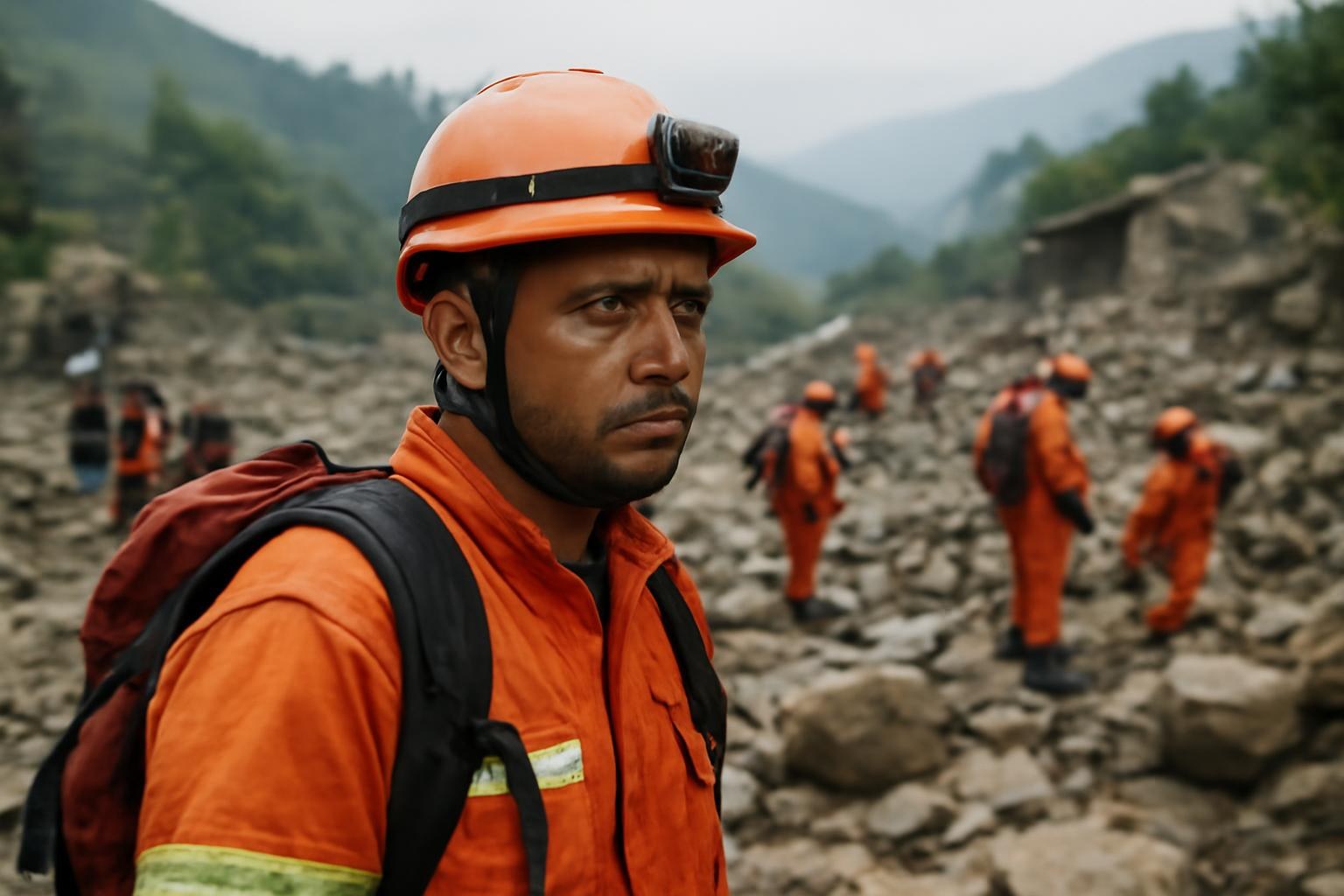
After severe floods and landslides hit Nepal in August 2026, rescue teams searched for people who were missing. The disaster affected several districts, including areas around the Kathmandu Valley. Water entered homes, roads were damaged, and some communities were cut off from nearby towns. Families waited for official information about relatives they could not contact.
Search work was difficult because the disaster changed the landscape. Mud and rocks covered roads, while strong water damaged bridges and carried away vehicles. In some places, rescuers had to travel on foot or use helicopters. Rain and the possibility of more landslides made every operation more dangerous.
Police, soldiers, local officials, and volunteers helped with the response. They searched damaged buildings, riversides, and areas where vehicles or homes had been swept away. Rescue workers also moved people from unsafe places to shelters. Medical teams treated injured residents and watched for problems caused by dirty water.
Communication was another serious problem. Power cuts and damaged phone networks made it hard for families to share information. Officials used local radio, public announcements, and emergency centers to collect reports. Confirming a person's identity was important because early reports could contain mistakes during the confusion.
Search teams usually stop active operations only after careful checks, although the process may continue in another form. Authorities may compare missing-person reports with hospital and shelter records. The work is painful for families, but clear information helps them make decisions and receive support. Nepal's experience shows why disaster plans need trained teams, reliable communication, and quick access to remote communities.