
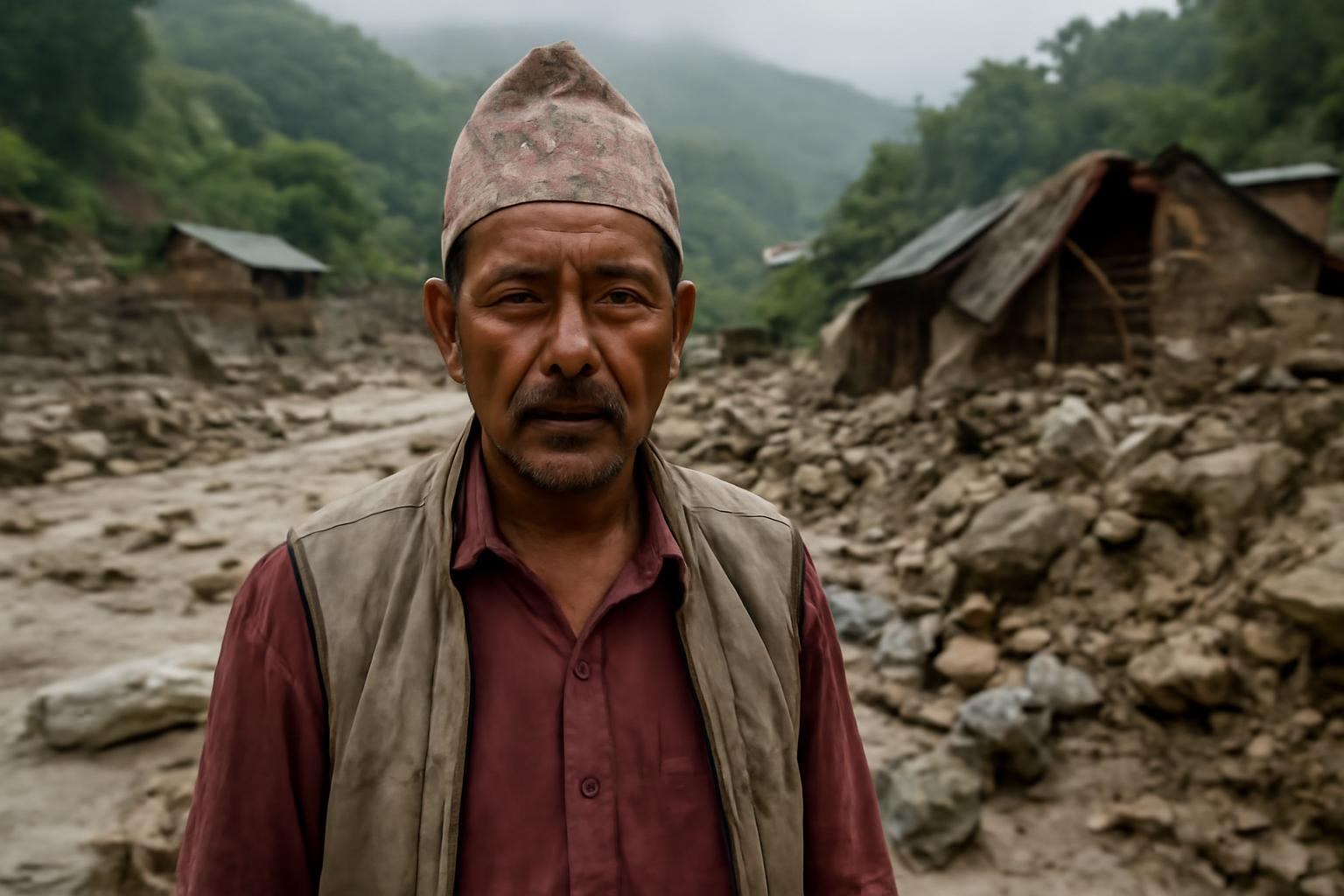
ネパールの災害が新たな気候への懸念を呼ぶ

公開日:2026-09-04 世界與新聞 Level 2
ネパールの災害が新たな気候への懸念を呼ぶ
01

About This Article

この記事について
背景
ネパールは山が多く、多くの地域社会が河谷や急斜面に位置しています。2026年8月、カトマンズ盆地などで大雨による洪水や土砂災害が発生し、人的被害やインフラの損壊をもたらしました。また、気候変動と防災能力が改めて注目されています。
  • ネパールで洪水と土砂災害が深刻な影響を及ぼす
  • 極端な降雨が災害のリスクを高める
  • 遠隔地では救援と復興がより困難になる
  • 専門家が早期警報と土地利用計画の改善を呼びかける
02

Listen First

まず聞く
00:00 / 00:00
03

Reading

記事を読む
English

Heavy rain in Nepal has renewed concern about the country's disaster risks and changing climate. In August 2026, severe rainfall caused floods and landslides in several areas, including parts of the Kathmandu Valley. Roads, bridges, homes, and other infrastructure were damaged, while many families had to leave dangerous places.

Nepal is especially exposed because much of the country is mountainous. People live near rivers, on steep hillsides, and in narrow valleys. When rain falls very heavily, water can rise quickly and loose soil can move down a slope. A disaster may block roads at the same time that communities need help.

Climate experts say a warmer atmosphere can hold more moisture, which may increase the strength of some heavy-rain events. This does not mean that every flood has one simple cause. However, repeated floods and landslides are making officials ask whether old safety plans are strong enough for future weather.

The disaster also showed the importance of land use and public information. Building on floodplains or unstable slopes can place more people in danger. Early warnings, reliable weather information, and safe evacuation areas can help families act before conditions become worse. Local governments need enough staff and equipment to share these warnings quickly.

Recovery will take time, especially for families who lose homes, work, or access to schools. Rebuilding roads alone will not solve the problem if the same areas remain unsafe. Nepal faces the difficult task of supporting affected communities while preparing for more climate-related hazards. Better planning, stronger infrastructure, and cooperation between local and national agencies can reduce future losses.

日本語訳

ネパールの大雨により、同国の災害リスクと変化する気候への懸念が再び高まっています。2026年8月、カトマンズ盆地の一部を含む複数の地域で、激しい降雨によって洪水や土砂災害が発生しました。道路、橋、住宅、その他のインフラが損壊し、多くの家族が危険な場所から避難しなければなりませんでした。

ネパールは国土の大部分が山岳地帯であるため、特に大きな影響を受けやすい国です。人々は川の近くや急な斜面、狭い谷に暮らしています。雨が非常に激しく降ると、水位が急速に上昇し、緩んだ土壌が斜面を流れ下ることがあります。地域社会が助けを必要としているまさにその時に、災害によって道路が通れなくなる可能性もあります。

気候の専門家によると、より暖かい大気はより多くの水分を保持できるため、一部の大雨の強さが増す可能性があります。だからといって、すべての洪水に一つの単純な原因があるというわけではありません。しかし、洪水や土砂災害が繰り返し発生していることで、当局は、従来の安全対策が将来の気象に十分対応できるほど強固なものかどうかを問い直しています。

今回の災害は、土地利用と市民への情報提供の重要性も示しました。氾濫原や不安定な斜面に建物を建てると、より多くの人を危険にさらす可能性があります。早期警報、信頼できる気象情報、安全な避難場所があれば、状況が悪化する前に家族が行動できます。地方自治体には、これらの警報を迅速に伝えるための十分な職員と設備が必要です。

復旧には時間がかかります。特に、家や仕事、学校への通路を失った家族にとってはなおさらです。同じ地域が依然として危険なままであれば、道路を再建するだけでは問題は解決しません。ネパールは、被災した地域社会を支援しながら、気候に関連するさらなる災害に備えるという難しい課題に直面しています。より良い計画、より強固なインフラ、そして地方機関と国の機関の協力によって、将来の被害を減らすことができます。

04

Key Words

重要単語・フレーズ
5 件
05

Expressions

慣用表現
5 件
06

Practice

理解度テスト
5 問 +ディスカッション 3 問
0 /0 問

1 When did severe rainfall cause floods and landslides mentioned in the article?
正解です。 不正解です。正解は緑色で示しています。
2 Why is Nepal especially exposed to disasters?
正解です。 不正解です。正解は緑色で示しています。
3 What can a warmer atmosphere hold?
正解です。 不正解です。正解は緑色で示しています。
4 What can help families act before conditions become worse?
正解です。 不正解です。正解は緑色で示しています。
5 Why is rebuilding roads alone not enough?
正解です。 不正解です。正解は緑色で示しています。

Discussion

質問とディスカッション
3 問

以下の問いに正解はありません。英語で自分の考えを、1 問につき 3〜5 文で話してみましょう。

  1. 1 What kinds of places in your area might be at risk during heavy rain?
  2. 2 How can governments help people prepare for floods or landslides?
  3. 3 Why is cooperation between local and national agencies important after a disaster?