
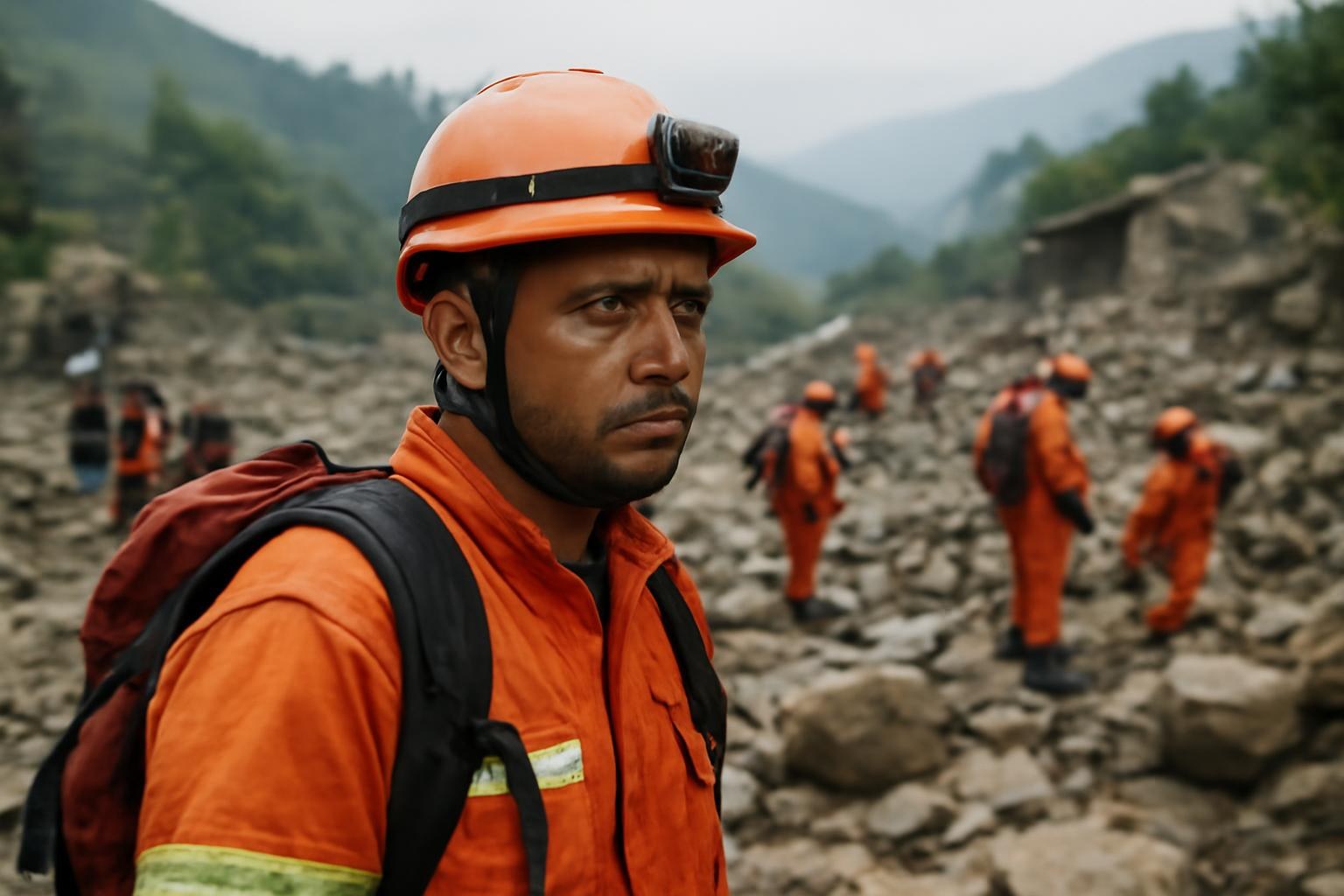
救助隊、ネパールで行方不明者を捜索

公開日:2026-09-04 世界與新聞 Level 2
救助隊、ネパールで行方不明者を捜索
01

About This Article

この記事について
背景
ネパールでは2026年8月の洪水と土砂崩れにより、多くの人が死亡し、行方不明になったり避難したりしました。救助隊員は、道路の損壊、橋の寸断、天候不順という状況の中で行方不明者を捜索しなければならず、軍や警察、地元の関係者、ボランティアも救助活動や物資の配布に参加しました。
  • 救助隊がネパールの被災地で行方不明者を捜索
  • 洪水と土砂崩れが捜索救助活動を妨げる
  • 道路と通信の寸断が困難を増大させる
  • 家族が公式確認と支援を待つ
02

Listen First

まず聞く
00:00 / 00:00
03

Reading

記事を読む
English

After severe floods and landslides hit Nepal in August 2026, rescue teams searched for people who were missing. The disaster affected several districts, including areas around the Kathmandu Valley. Water entered homes, roads were damaged, and some communities were cut off from nearby towns. Families waited for official information about relatives they could not contact.

Search work was difficult because the disaster changed the landscape. Mud and rocks covered roads, while strong water damaged bridges and carried away vehicles. In some places, rescuers had to travel on foot or use helicopters. Rain and the possibility of more landslides made every operation more dangerous.

Police, soldiers, local officials, and volunteers helped with the response. They searched damaged buildings, riversides, and areas where vehicles or homes had been swept away. Rescue workers also moved people from unsafe places to shelters. Medical teams treated injured residents and watched for problems caused by dirty water.

Communication was another serious problem. Power cuts and damaged phone networks made it hard for families to share information. Officials used local radio, public announcements, and emergency centers to collect reports. Confirming a person's identity was important because early reports could contain mistakes during the confusion.

Search teams usually stop active operations only after careful checks, although the process may continue in another form. Authorities may compare missing-person reports with hospital and shelter records. The work is painful for families, but clear information helps them make decisions and receive support. Nepal's experience shows why disaster plans need trained teams, reliable communication, and quick access to remote communities.

日本語訳

2026年8月、深刻な洪水と土砂崩れがネパールを襲った後、救助隊は行方不明者を捜索しました。この災害は、カトマンズ盆地周辺を含む複数の地区に影響を及ぼしました。水が家の中に入り、道路が損壊し、一部の地域は近くの町から孤立しました。家族は、連絡の取れない親族についての公式な情報を待ちました。

災害によって地形が変わったため、捜索活動は困難でした。泥や岩が道路を覆い、激しい水流が橋を壊し、車両を押し流しました。場所によっては、救助隊員は徒歩で移動したり、ヘリコプターを使ったりしなければなりませんでした。雨やさらなる土砂崩れの可能性により、活動の一つ一つがより危険になりました。

警察、兵士、地元の職員、ボランティアが救助活動を支援しました。彼らは損壊した建物、川岸、車両や家屋が押し流された地域を捜索しました。救助隊員はまた、安全でない場所から人々を避難所へ移しました。医療チームは負傷した住民を治療し、汚れた水によって引き起こされる問題にも注意を払いました。

通信も深刻な問題でした。停電や損壊した電話網のため、家族が情報を共有することは困難でした。職員は、地域のラジオ放送、公式発表、緊急センターを使って情報を集めました。混乱の中では初期の報告に誤りが含まれる可能性があるため、本人の身元を確認することが重要でした。

捜索隊は通常、慎重な確認を行った後にのみ積極的な捜索活動を停止しますが、その後の作業は別の形で続くことがあります。当局は、行方不明者の報告を病院や避難所の記録と照合することがあります。この作業は家族にとってつらいものですが、明確な情報があれば、家族は判断を下し、支援を受けることができます。ネパールの経験は、防災計画に訓練を受けたチーム、信頼できる通信手段、そして遠隔地の地域社会へ迅速に到達する手段が必要であることを示しています。

04

Key Words

重要単語・フレーズ
5 件
05

Expressions

慣用表現
5 件
06

Practice

理解度テスト
5 問 +ディスカッション 3 問
0 /0 問

1 When did the disaster described in the article occur?
正解です。 不正解です。正解は緑色で示しています。
2 Why was search work difficult?
正解です。 不正解です。正解は緑色で示しています。
3 Who helped with the response?
正解です。 不正解です。正解は緑色で示しています。
4 What caused communication problems?
正解です。 不正解です。正解は緑色で示しています。
5 Why was it important to confirm a person's identity?
正解です。 不正解です。正解は緑色で示しています。

Discussion

質問とディスカッション
3 問

以下の問いに正解はありません。英語で自分の考えを、1 問につき 3〜5 文で話してみましょう。

  1. 1 What should rescue teams do first after a major flood in your opinion?
  2. 2 How can communication technology help families during a disaster?
  3. 3 What kinds of support do families need while waiting for information about missing relatives?