
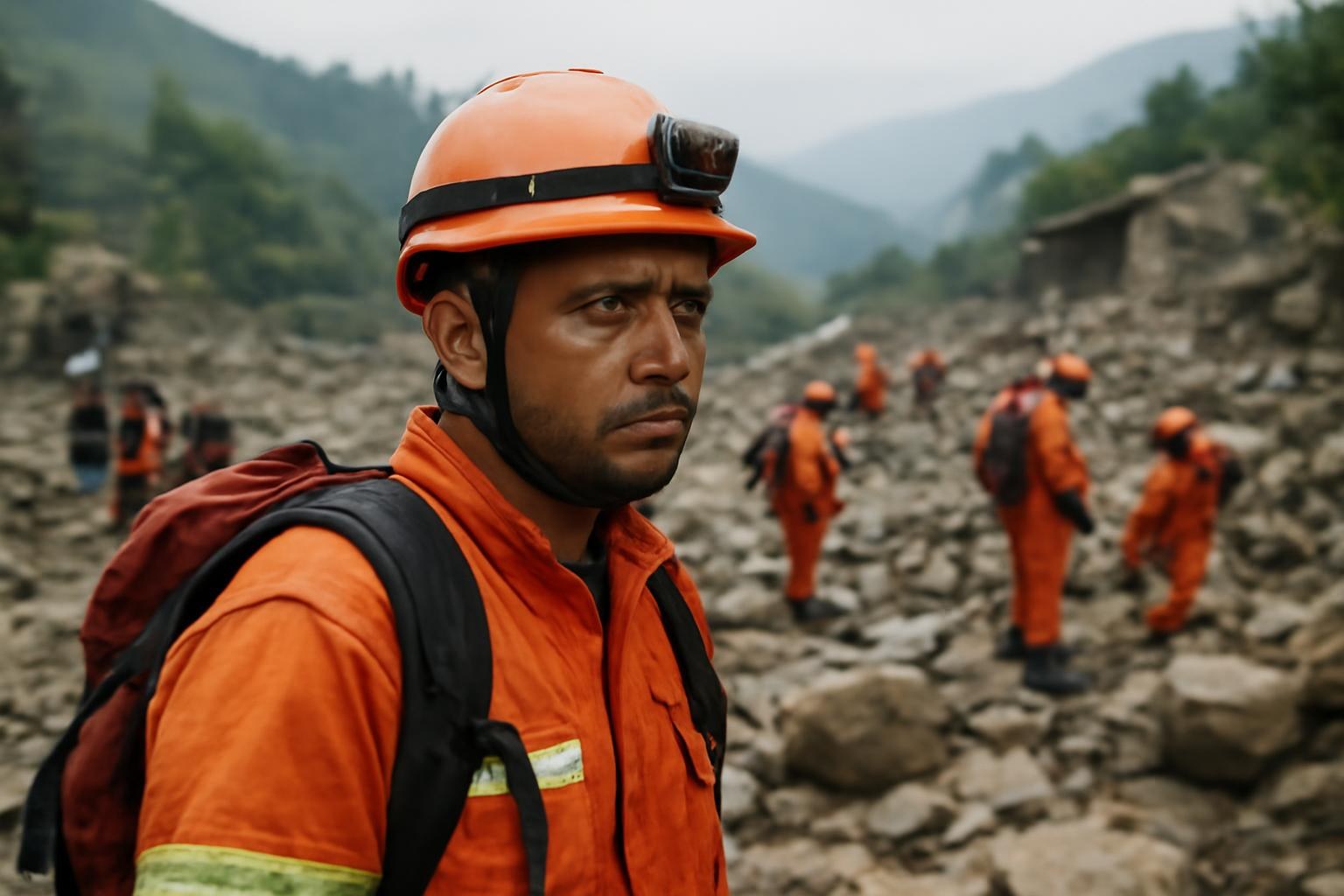
네팔에서 실종자 수색에 나선 구조대

게시일:2026-09-04 世界與新聞 Level 2
네팔에서 실종자 수색에 나선 구조대
01

About This Article

이 기사에 대하여
배경
2026년 8월 네팔에서 발생한 홍수와 산사태로 많은 사람이 사망하거나 실종되었고 대피해야 했다. 구조대원들은 도로와 교량이 손상되고 기상 상황이 불안정한 가운데 실종자를 수색해야 했으며, 군과 경찰, 지방 당국 관계자 및 자원봉사자들도 구조 활동과 구호품 배포에 참여했다.
  • 구조대가 네팔 재해 지역에서 실종자를 수색함
  • 홍수와 산사태가 수색 및 구조 작업을 방해함
  • 도로와 통신 두절로 어려움이 커짐
  • 가족들이 당국의 확인과 지원을 기다림
02

Listen First

먼저 듣기
00:00 / 00:00
03

Reading

기사 읽기
English

After severe floods and landslides hit Nepal in August 2026, rescue teams searched for people who were missing. The disaster affected several districts, including areas around the Kathmandu Valley. Water entered homes, roads were damaged, and some communities were cut off from nearby towns. Families waited for official information about relatives they could not contact.

Search work was difficult because the disaster changed the landscape. Mud and rocks covered roads, while strong water damaged bridges and carried away vehicles. In some places, rescuers had to travel on foot or use helicopters. Rain and the possibility of more landslides made every operation more dangerous.

Police, soldiers, local officials, and volunteers helped with the response. They searched damaged buildings, riversides, and areas where vehicles or homes had been swept away. Rescue workers also moved people from unsafe places to shelters. Medical teams treated injured residents and watched for problems caused by dirty water.

Communication was another serious problem. Power cuts and damaged phone networks made it hard for families to share information. Officials used local radio, public announcements, and emergency centers to collect reports. Confirming a person's identity was important because early reports could contain mistakes during the confusion.

Search teams usually stop active operations only after careful checks, although the process may continue in another form. Authorities may compare missing-person reports with hospital and shelter records. The work is painful for families, but clear information helps them make decisions and receive support. Nepal's experience shows why disaster plans need trained teams, reliable communication, and quick access to remote communities.

한국어 번역

2026년 8월 심각한 홍수와 산사태가 네팔을 덮친 후, 구조대는 실종자들을 수색했다. 이 재해는 카트만두 계곡 주변 지역을 포함한 여러 행정구역에 영향을 미쳤다. 물이 집 안으로 들어왔고 도로가 파손되었으며, 일부 지역 공동체는 인근 마을과 단절되었다. 가족들은 연락할 수 없었던 친척들에 대한 당국의 공식 정보를 기다렸다.

재해로 지형이 바뀌었기 때문에 수색 작업은 어려웠다. 진흙과 바위가 도로를 뒤덮었고, 거센 물살은 다리를 파손하고 차량을 휩쓸어 갔다. 일부 지역에서 구조대원들은 걸어서 이동하거나 헬리콥터를 이용해야 했다. 비와 추가 산사태의 가능성 때문에 모든 작전은 더욱 위험해졌다.

경찰, 군인, 지방 당국 관계자, 자원봉사자들이 구조 활동을 도왔다. 이들은 파손된 건물과 강변, 차량이나 집이 휩쓸려 간 지역을 수색했다. 구조대원들은 또한 사람들이 위험한 장소에서 대피소로 이동하도록 도왔다. 의료진은 부상당한 주민들을 치료하고 오염된 물로 인해 발생할 수 있는 문제를 살폈다.

통신도 또 다른 심각한 문제였다. 정전과 손상된 전화망 때문에 가족들은 정보를 공유하기 어려웠다. 당국은 지역 라디오, 공개 방송, 긴급 센터를 이용해 신고를 접수했다. 혼란스러운 상황에서는 초기 보고에 오류가 있을 수 있으므로, 각 사람의 신원을 확인하는 일이 중요했다.

수색대는 보통 신중한 확인을 거친 후에야 적극적인 작전을 중단하지만, 후속 작업은 다른 형태로 계속될 수 있다. 당국은 실종자 신고를 병원 및 대피소 기록과 대조할 수 있다. 이 과정은 가족들에게 고통스럽지만, 정확한 정보는 가족들이 결정을 내리고 지원을 받는 데 도움이 된다. 네팔의 경험은 재난 계획에 훈련된 팀, 신뢰할 수 있는 통신 수단, 외딴 지역 공동체에 신속하게 접근할 수 있는 능력이 필요한 이유를 보여 준다.

04

Key Words

핵심 단어·구
5 개
05

Expressions

관용 표현
5 개
06

Practice

이해도 테스트
5 문항 +토론 3문항
0 /0문항

1 When did the disaster described in the article occur?
정답입니다. 오답입니다. 정답은 초록색으로 표시했습니다.
2 Why was search work difficult?
정답입니다. 오답입니다. 정답은 초록색으로 표시했습니다.
3 Who helped with the response?
정답입니다. 오답입니다. 정답은 초록색으로 표시했습니다.
4 What caused communication problems?
정답입니다. 오답입니다. 정답은 초록색으로 표시했습니다.
5 Why was it important to confirm a person's identity?
정답입니다. 오답입니다. 정답은 초록색으로 표시했습니다.

Discussion

질문과 토론
3 문항

아래 질문에는 정답이 없습니다. 영어로 자신의 생각을 한 문항당 3~5문장으로 말해 보세요.

  1. 1 What should rescue teams do first after a major flood in your opinion?
  2. 2 How can communication technology help families during a disaster?
  3. 3 What kinds of support do families need while waiting for information about missing relatives?