
なぜ海はプラスチックでいっぱいなのか?

公開日:2026-09-02 國中英語篇 Level 2
なぜ海はプラスチックでいっぱいなのか?
01

About This Article

この記事について
背景
プラスチックは軽く、安く、耐久性があるため、広く使われています。しかし、多くのプラスチック製品は数分しか使われないのに、環境中には数百年も残る可能性があります。ごみの管理、消費習慣、企業の生産方法は、いずれも海洋プラスチック汚染と関係しています。
  • 大量のプラスチックごみが最終的に海へ流れ込む可能性がある
  • ビニール袋や漁具が海洋生物を傷つける
  • リサイクル制度ではすべてのプラスチック廃棄物を処理できない
  • 使い捨て用品を減らすには政府と市民の協力が必要である
02

Listen First

まず聞く
00:00 / 00:00
03

Reading

記事を読む
English

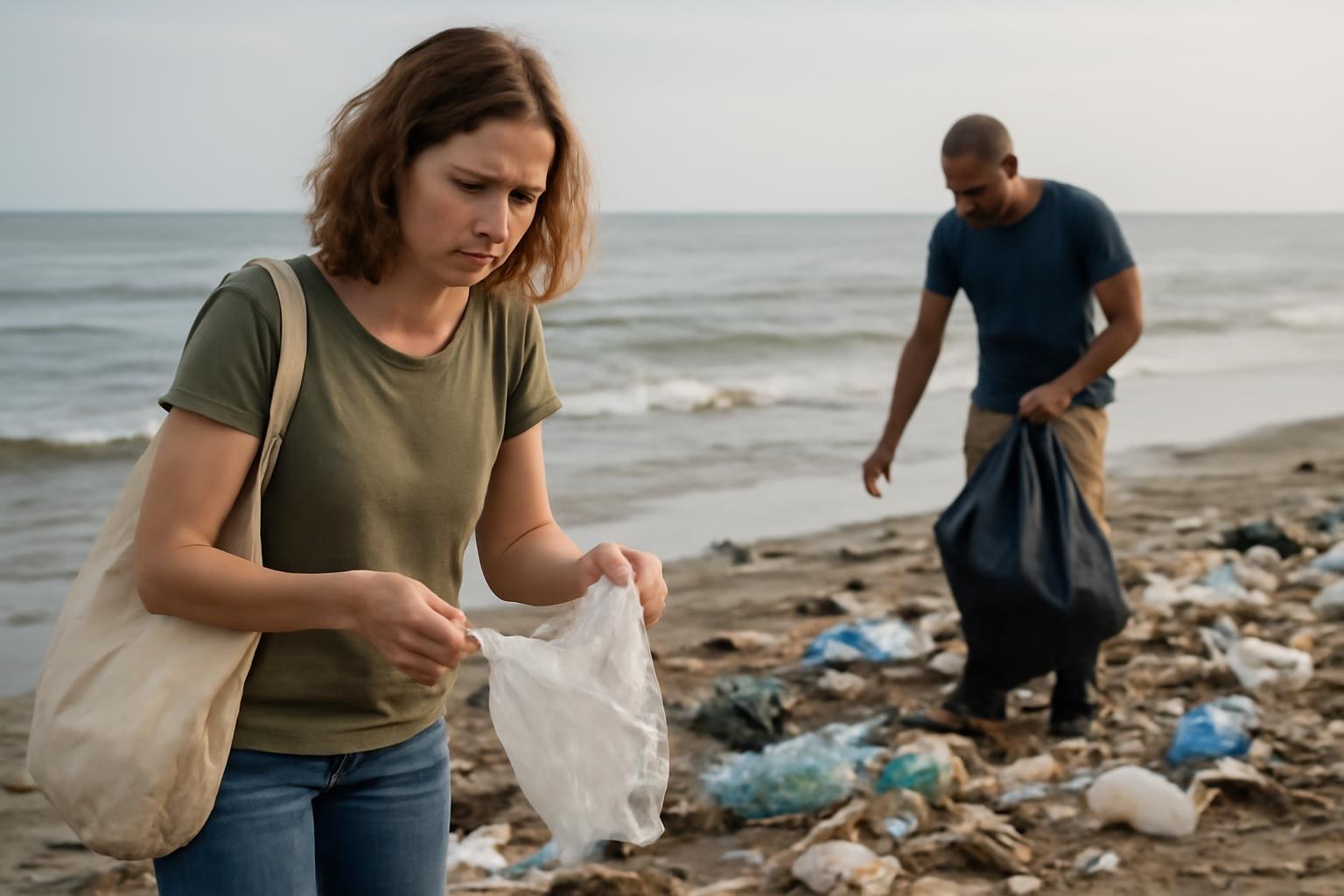
Plastic is useful, cheap, and light, so people use it for bottles, bags, food packages, and many other products. The problem begins when these products are thrown away after a short time. Some plastic is placed in trash cans, but some is left on streets, beaches, or near rivers. Rain and wind can carry this waste into streams and eventually into the ocean.

Plastic also reaches the sea from fishing and shipping. Lost nets, ropes, and other equipment can float for years. Sea turtles may mistake plastic bags for food, and birds can become trapped in small pieces. Fish and other animals may eat tiny plastic particles, which can move through the food chain.

Many people believe recycling can solve the problem, but recycling has limits. Different kinds of plastic must be collected and processed in different ways. Some dirty or mixed materials are difficult to recycle, and not every area has a good recycling system. As a result, a large amount of plastic still goes to landfills, is burned, or enters the natural environment.

Governments and companies can reduce the amount of waste by changing how products are made and sold. They can design packages that use less material and create systems for returning bottles. Cities can provide more public bins and improve trash collection near rivers and beaches. Strong rules can also encourage businesses to take responsibility for the waste they produce.

Individuals have an important role as well. People can carry reusable bags and cups, refuse unnecessary straws, and choose products with less packaging. Cleaning a beach is helpful, but preventing waste is even better. The ocean will become healthier only when our daily choices, business practices, and public policies begin to work together.

日本語訳

プラスチックは便利で、安く、軽いため、人々はボトルや袋、食品の包装など、さまざまな製品に使っています。問題は、これらの製品が短期間使われた後に捨てられることから始まります。プラスチックの一部はごみ箱に入れられますが、道路や海岸、川の近くに放置されるものもあります。雨や風によって、このごみが小川に運ばれ、やがて海に流れ込むことがあります。

プラスチックは、漁業や海運からも海に流れ着きます。失われた網やロープなどの漁具は、何年も漂流することがあります。ウミガメはビニール袋を食べ物と間違えることがあり、鳥は小さな破片に絡まってしまうことがあります。魚やほかの動物が小さなプラスチック粒子を食べることもあり、それらは食物連鎖を通じて移動する可能性があります。

多くの人は、リサイクルによって問題を解決できると考えていますが、リサイクルには限界があります。プラスチックの種類が異なれば、集め方や処理方法も異なります。汚れた素材や複数の素材が混ざったものはリサイクルが難しく、すべての地域に十分なリサイクル制度があるわけでもありません。その結果、大量のプラスチックが依然として埋め立て地に送られたり、焼却されたり、自然環境に流れ込んだりしています。

政府や企業は、製品の作り方や販売方法を変えることで、ごみの量を減らすことができます。より少ない素材で包装を設計したり、ボトルを返却する仕組みを作ったりすることができます。都市は、川や海岸の近くに公共のごみ箱を増やし、ごみの回収を改善することもできます。厳しい規則によって、企業が自分たちの生み出した廃棄物に責任を持つよう促すこともできます。

個人も重要な役割を担っています。人々は再利用できる袋やカップを持ち歩き、必要のないストローを断り、包装の少ない製品を選ぶことができます。海岸を清掃することも役立ちますが、ごみを出さないようにすることのほうがさらに重要です。日々の選択、企業の取り組み、公共政策が協力して機能し始めて初めて、海はより健やかになります。

04

Key Words

重要単語・フレーズ
3 件
05

Expressions

慣用表現
3 件
06

Practice

理解度テスト
9 問 +ディスカッション 3 問
0 /0 問

1 How can plastic reach the ocean from streets?
正解です。 不正解です。正解は緑色で示しています。
2 Why does recycling have limits?
正解です。 不正解です。正解は緑色で示しています。
3 What is better than cleaning a beach?
正解です。 不正解です。正解は緑色で示しています。
4 Rain and wind can carry plastic waste into streams and .
正解です。 不正解です。正解は緑色で示しています。
5 Birds can become in small pieces of plastic.
正解です。 不正解です。正解は緑色で示しています。
6 People can carry bags and cups.
正解です。 不正解です。正解は緑色で示しています。
7 Plastic is used bottles, bags, and food packages.
正解です。 不正解です。正解は緑色で示しています。
8 Birds can become trapped small pieces of plastic.
正解です。 不正解です。正解は緑色で示しています。
9 Businesses should take responsibility the waste they produce.
正解です。 不正解です。正解は緑色で示しています。

Discussion

質問とディスカッション
3 問

以下の問いに正解はありません。英語で自分の考えを、1 問につき 3〜5 文で話してみましょう。

  1. 1 What plastic products do you use most often, and how could you use fewer of them?
  2. 2 How can schools or neighborhoods reduce plastic waste near rivers and beaches?
  3. 3 Do you think individuals or companies should have more responsibility for ocean plastic? Why?