
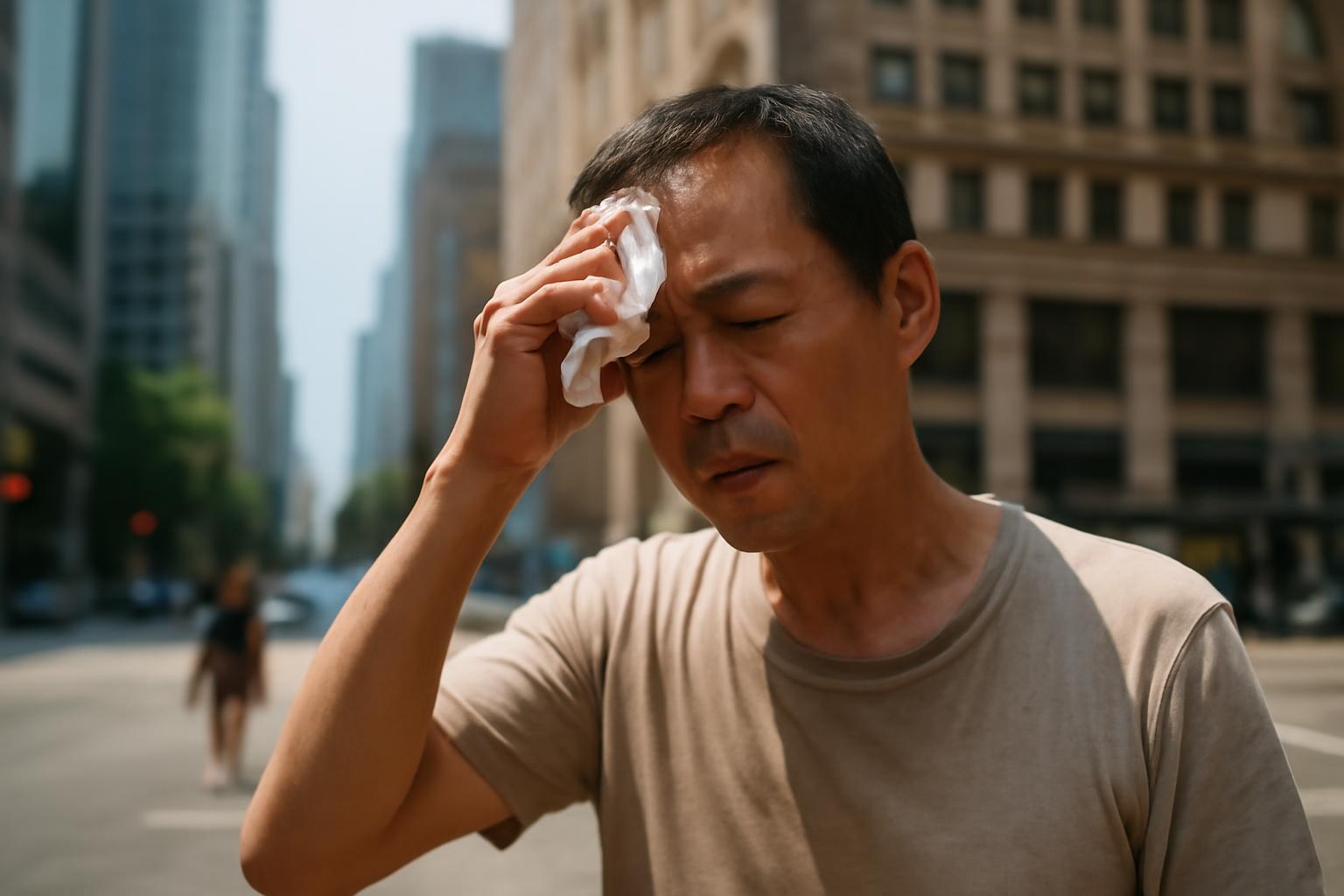
極端な暑さが都市に圧力をかける

公開日:2026-09-04 世界與新聞 Level 2
極端な暑さが都市に圧力をかける
01

About This Article

この記事について
背景
近年、世界各地で記録的な高温が観測されています。都市では、コンクリートの建物や道路が熱を吸収するため、周辺地域よりも暑くなることがよくあります。高温になると冷房の電力消費量が増加し、高齢者や屋外で働く人、慢性疾患のある人に健康上のリスクをもたらす可能性もあります。
  • 極端な高温が都市生活に及ぼす影響
  • 電力と医療システムへの負担
  • 弱い立場にある住民が受ける高いリスク
  • 都市が講じる暑さ対策と警報措置
02

Listen First

まず聞く
00:00 / 00:00
03

Reading

記事を読む
English

Extreme heat is becoming a serious challenge for cities around the world. During a heat wave, temperatures can stay high for several days, especially at night. Concrete buildings and roads absorb heat during the day and release it slowly after sunset. This can make urban neighborhoods hotter than nearby rural areas.

High temperatures affect public health first. Older adults, young children, outdoor workers, and people with health problems face a greater risk of heat illness. Hospitals may receive more patients who feel weak, dizzy, or unable to breathe normally. Officials often advise residents to drink water, stay indoors during the hottest hours, and check on vulnerable neighbors.

Extreme heat also puts pressure on the power system. Many people turn on air conditioners at the same time, so electricity demand rises quickly. If equipment fails, a neighborhood may lose cooling when it needs it most. Water supplies can also face stress because residents use more water for drinking, cleaning, and gardens.

Cities are testing different ways to reduce the danger. Some open cooling centers in libraries, schools, or community buildings. Others plant trees, create shaded streets, and use lighter materials on roofs and roads. Early warning messages can give people time to change their plans and protect themselves.

These actions cannot remove every effect of climate change, but they can save lives. City plans work best when they focus on people who have fewer resources, such as those without air conditioning or a safe home. Preparing for extreme heat is now an important part of public safety, not only an environmental goal.

日本語訳

極端な暑さは、世界中の都市にとって深刻な課題になっています。熱波の間は、特に夜間に、気温が数日間高いままになることがあります。コンクリートの建物や道路は日中に熱を吸収し、日没後にゆっくりと放出します。そのため、都市部の地域は近くの農村地域よりも暑くなることがあります。

高温はまず公衆衛生に影響を及ぼします。高齢者、幼い子ども、屋外で働く人、健康上の問題を抱えている人は、熱中症などの暑さによる体調不良のリスクが高くなります。病院には、体がだるい、めまいがする、または正常に呼吸できないと感じる患者が増える可能性があります。行政当局は、住民に水を飲み、最も暑い時間帯は屋内で過ごし、影響を受けやすい近隣住民の様子を確認するよう勧めることがよくあります。

極端な暑さは電力システムにも負担をかけます。多くの人が同時にエアコンをつけるため、電力需要が急速に高まります。設備が故障すると、地域は最も冷房を必要とする時に冷房を失うことがあります。住民が飲み水や掃除、庭の手入れにより多くの水を使うため、水の供給にも負担がかかることがあります。

都市は危険を減らすために、さまざまな方法を試しています。図書館や学校、地域の公共施設に暑さを避けるための施設を開設する都市もあります。また、木を植え、日陰のある通りをつくり、屋根や道路に明るい色の材料を使う都市もあります。早期警報のメッセージがあれば、人々は予定を変更し、自分の身を守る時間を確保できます。

これらの対策によって気候変動の影響をすべてなくすことはできませんが、人命を救うことはできます。冷房がない人や安全な住まいを持たない人など、より少ない資源しか持たない人々に重点を置いた都市計画が、最も効果を発揮します。極端な暑さに備えることは、今や環境面の目標にとどまらず、公共の安全にとって重要な取り組みとなっています。

04

Key Words

重要単語・フレーズ
5 件
05

Expressions

慣用表現
5 件
06

Practice

理解度テスト
5 問 +ディスカッション 3 問
0 /0 問

1 Why can urban neighborhoods be hotter than rural areas?
正解です。 不正解です。正解は緑色で示しています。
2 Who faces a greater risk of heat illness?
正解です。 不正解です。正解は緑色で示しています。
3 Why does electricity demand rise during extreme heat?
正解です。 不正解です。正解は緑色で示しています。
4 Where may cities open cooling centers?
正解です。 不正解です。正解は緑色で示しています。
5 Which action can reduce heat danger?
正解です。 不正解です。正解は緑色で示しています。

Discussion

質問とディスカッション
3 問

以下の問いに正解はありません。英語で自分の考えを、1 問につき 3〜5 文で話してみましょう。

  1. 1 What do you usually do to protect yourself during very hot weather?
  2. 2 Which city action against extreme heat would be most useful in your area, and why?
  3. 3 Why might some people be more affected by heat than others?