
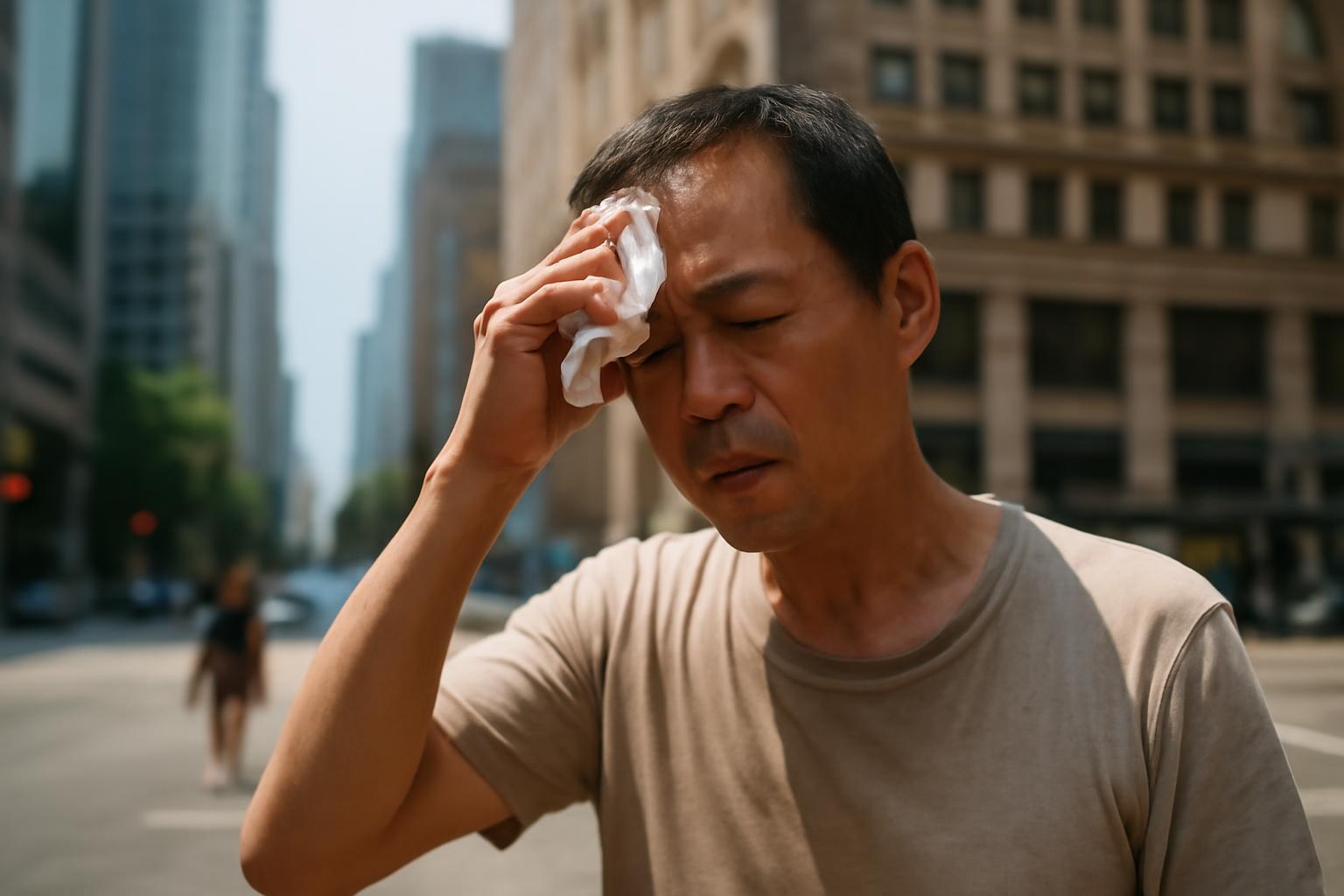
Extreme heat is becoming a serious challenge for cities around the world. During a heat wave, temperatures can stay high for several days, especially at night. Concrete buildings and roads absorb heat during the day and release it slowly after sunset. This can make urban neighborhoods hotter than nearby rural areas.
High temperatures affect public health first. Older adults, young children, outdoor workers, and people with health problems face a greater risk of heat illness. Hospitals may receive more patients who feel weak, dizzy, or unable to breathe normally. Officials often advise residents to drink water, stay indoors during the hottest hours, and check on vulnerable neighbors.
Extreme heat also puts pressure on the power system. Many people turn on air conditioners at the same time, so electricity demand rises quickly. If equipment fails, a neighborhood may lose cooling when it needs it most. Water supplies can also face stress because residents use more water for drinking, cleaning, and gardens.
Cities are testing different ways to reduce the danger. Some open cooling centers in libraries, schools, or community buildings. Others plant trees, create shaded streets, and use lighter materials on roofs and roads. Early warning messages can give people time to change their plans and protect themselves.
These actions cannot remove every effect of climate change, but they can save lives. City plans work best when they focus on people who have fewer resources, such as those without air conditioning or a safe home. Preparing for extreme heat is now an important part of public safety, not only an environmental goal.