
バーゲンの裏側:ファストファッションが労働者と環境に与える影響

公開日:2026-09-05 高中英文篇 Level 3
バーゲンの裏側:ファストファッションが労働者と環境に与える影響
01

About This Article

この記事について
背景
ファストファッション(fast fashion)とは、短期間での大量生産と低価格設定を特徴とする服飾ビジネスモデルであり、Zara、H&M、Sheinなどの世界的に知名度の高いブランドがこれに含まれます。衣服の生産コストが低く、サイクルが速いため、ファストファッションは消費者の間で非常に人気がありますが、一方で深刻な労働者搾取の問題と環境汚染を引き起こしています。
本稿はニュースレポートの視点から、ファストファッション産業が縫製労働者に与える影響、環境への長期的な打撃、そして変革を推進するうえで消費者が果たせる積極的な役割を探ります。
  • ファストファッション産業の低価格の裏に隠された労働者の苦しみと搾取
  • 縫製工場の労働者が直面する厳格なスケジュール、わずかな賃金、深刻な健康リスク
  • ファストファッションの廃水とマイクロファイバーが河川・海洋生態系に与える取り返しのつかない被害
  • 消費者の選択とブランドのサプライチェーンの透明性が産業変革を推進するカギ
02

Listen First

まず聞く
00:00 / 00:00
03

Reading

記事を読む
English

When you are fond of hunting for bargains at fast-fashion stores, the last thing on your mind is probably the garment worker who made your shirt. Yet behind every low price tag lies a story that many prefer to skip—a story involving long hours, slim wages, and working conditions that some human rights groups have compared to modern-day slavery.

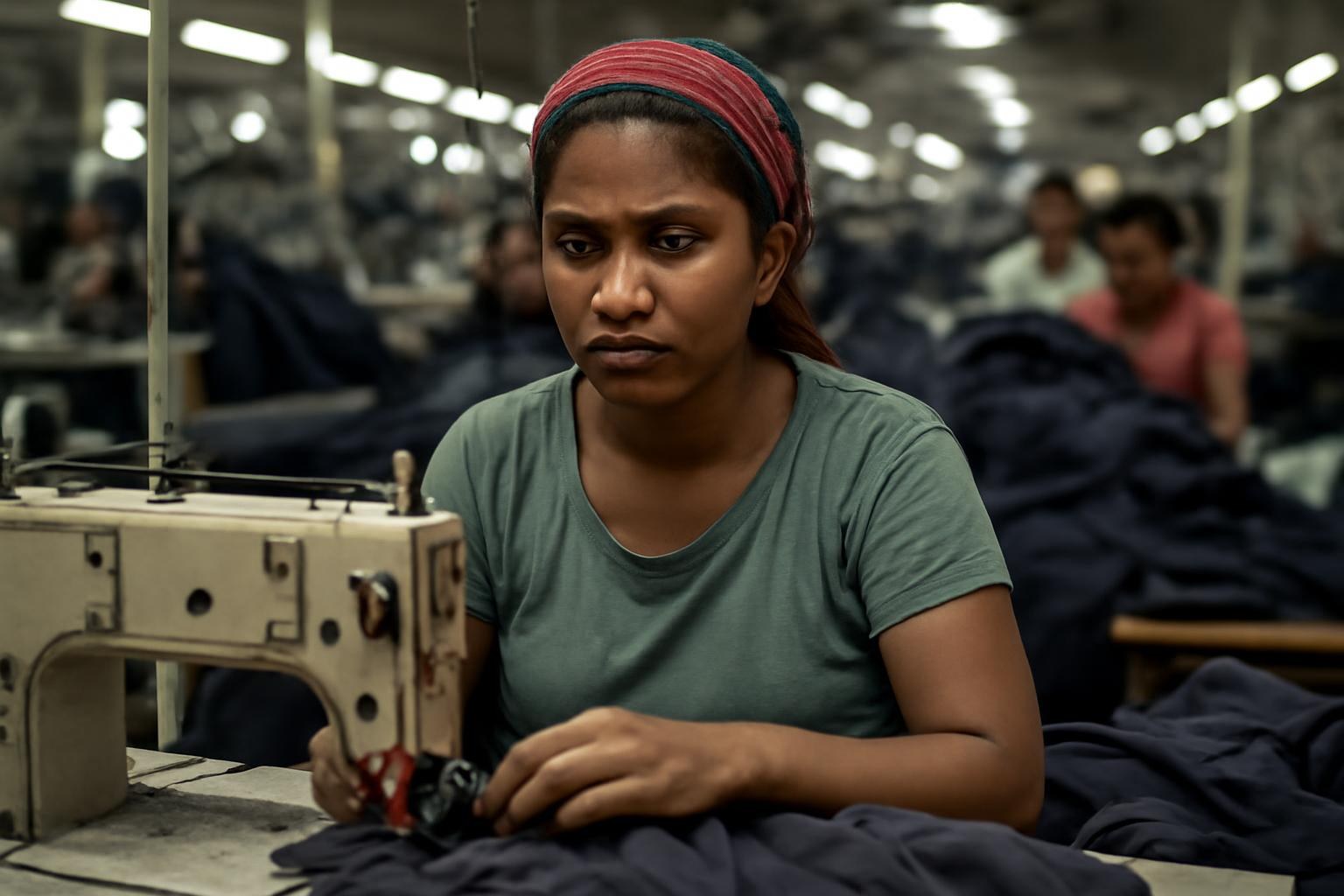
Workers in many garment factories are bound to a rigid timetable with almost no room to rest. Having worked shifts of twelve hours or more, they often come down with respiratory illnesses caused by dust and chemicals in poorly ventilated rooms. Those who take part in labor protests risk losing their jobs, making it difficult to clarify their rights or demand better treatment.

The problem reaches beyond the factory walls. A closer look at the industry reveals where the damage truly lies—from rivers polluted by chemical dyes to the fragile ecosystems harmed by microfibers released during laundry. Minus strict environmental regulations, these invisible worm-like plastic threads will continue to accumulate in oceans and enter the food chain.

On the consumer side, the temptation to buy a worthy outfit at an unbeatable bargain can be hard to resist. One activist group decided to make an impression on shoppers by filling a giant bucket with discarded garments outside a popular shopping mall. The message was clear: the fashion industry produces far more than the planet can absorb.

From the era of the telegraph to today's viral social media posts, stories of hunger and hardship among factory workers have long reached public awareness. One documentary followed a bride who spent months searching for an ethically made wedding dress, showing audiences where the real cost of a bargain truly lands—on the shoulders of vulnerable workers. The film also featured workers who use an electric drill to punch holes in metal clothing racks for ten hours a day, earning barely enough for a steak dinner on weekends.

Having studied the long-term effects of fast fashion, many economists and policy researchers agree that the industry must change. Governments are being urged to introduce legislation that forces brands to clarify their supply chains and eliminate any form of forced labor or modern slavery. Several major fashion houses have already pledged to cut down on waste and ensure their workers receive fair compensation.

The path forward will not be easy. Industry habits are rigid, and the gap between current practices and truly ethical standards remains slim. However, every time a consumer chooses quality over quantity, or takes part in a clothing swap event instead of buying new, it sends a message. Change begins not in the boardroom, but in the shopping basket.

日本語訳

ファストファッションの店でお得な品を探すことに夢中になっているとき、あなたの頭の中に最も浮かばないのは、おそらくあなたのシャツを縫製した衣料品労働者のことでしょう。しかし、すべての低価格の値札の裏には、多くの人が見て見ぬふりをしたいと思う物語が隠されています――長時間労働、わずかな賃金、そして一部の人権団体が現代の奴隷制度と比較している労働環境にまつわる物語です。

多くの縫製工場の労働者は、ほとんど休む間もない厳格なスケジュールに縛られています。12時間以上のシフトをこなした後、換気の悪い部屋のほこりや化学物質により呼吸器疾患にかかることが多くあります。労働争議に参加する者は職を失うリスクを負い、自身の権利を明確にしたり待遇改善を要求したりすることが難しくなっています。

問題は工場の壁の外にまで及んでいます。この産業を詳しく見れば、被害が本当にどこにあるのかがわかります――化学染料で汚染された河川から、洗濯時に放出されるマイクロファイバーによって傷つけられた脆弱な生態系まで。厳格な環境規制がなければ、肉眼では見えないミミズのような形をしたプラスチック繊維は海洋に蓄積し続け、食物連鎖に入り込んでいくでしょう。

消費者側としては、他に比べられないほどの格安価格で価値ある服を購入したいという誘惑には抗い難いものがあります。あるアクティビスト団体は、人気ショッピングモールの外に廃棄された衣類を大型バケツに詰め込んで展示することで、買い物客に強い印象を与えることを決意しました。そのメッセージは明確でした:ファッション産業は地球が吸収できる量をはるかに超えて生産しているということです。

電報の時代から今日のバイラルなソーシャルメディア投稿に至るまで、工場労働者の飢えや苦難の物語は長い間、社会の認識に届いてきました。あるドキュメンタリーは、倫理的に作られたウェディングドレスを何ヶ月も探し続けた花嫁を追い、格安品の本当のコストがどこに落ちるのかを観客に示しました――それは弱い立場の労働者の肩の上にあります。この映画では、電動ドリルで金属製衣類ラックに穴を開ける作業を毎日10時間こなし、週末にステーキディナーを一度楽しめる程度しか稼げない労働者たちの姿も取り上げられていました。

ファストファッションの長期的な影響を研究した結果、多くの経済学者や政策研究者は、この産業は変わらなければならないという点で意見が一致しています。各国政府はブランドにサプライチェーンを明確にさせ、強制労働や現代の奴隷制度のあらゆる形を排除することを義務づける法律を導入するよう求められています。いくつかの大手ファッションハウスはすでに廃棄物の削減と労働者への公正な報酬の確保を約束しています。

前進への道は容易ではありません。業界の慣習は硬直しており、現在の慣行と真に倫理的な基準との間の差は依然として小さいままです。しかし、消費者が量より質を選ぶたびに、あるいは新しいものを買う代わりに洋服交換イベントに参加するたびに、それはメッセージを発信しています。変化は取締役会の会議室からではなく、買い物かごの中から始まります。

04

Key Words

重要単語・フレーズ
15 件
05

Expressions

慣用表現
5 件
06

Practice

理解度テスト
8 問 +ディスカッション 2 問
0 /0 問

1 What do some human rights groups compare certain garment factory working conditions to?
正解です。 不正解です。正解は緑色で示しています。
2 What risk do garment workers face when they take part in labor protests?
正解です。 不正解です。正解は緑色で示しています。
3 According to the article, how did the activist group make an impression on shoppers?
正解です。 不正解です。正解は緑色で示しています。
4 According to the article, what should governments urge brands to do to fight forced labor?
正解です。 不正解です。正解は緑色で示しています。
5 Behind every low price tag lies a story about the worker who made your shirt.
正解です。 不正解です。正解は緑色で示しています。
6 A closer look at the industry reveals where the damage truly lies—from polluted rivers to the ecosystems harmed by microfibers.
正解です。 不正解です。正解は緑色で示しています。
7 Workers who labor protests risk losing their jobs.
正解です。 不正解です。正解は緑色で示しています。
8 Having worked shifts of twelve hours or more, many workers often respiratory illnesses.
正解です。 不正解です。正解は緑色で示しています。

Discussion

質問とディスカッション
2 問

以下の問いに正解はありません。英語で自分の考えを、1 問につき 3〜5 文で話してみましょう。

  1. 1 The article describes harsh working conditions in some garment factories. Do you think consumers have a responsibility to consider labor rights when they go shopping? What specific actions can ordinary people take to make a difference?
  2. 2 The article mentions that choosing quality over quantity and taking part in clothing swap events can send a message to the industry. Do you agree that individual shopping habits can help change an entire industry? Why or why not?