
할인의 이면: 패스트패션이 노동자와 환경에 미치는 영향

게시일:2026-09-05 高中英文篇 Level 3
할인의 이면: 패스트패션이 노동자와 환경에 미치는 영향
01

About This Article

이 기사에 대하여
배경
패스트패션(fast fashion)이란 빠른 생산과 저렴한 가격을 특징으로 하는 의류 비즈니스 모델로, Zara, H&M, Shein 등 세계적으로 유명한 브랜드들이 이 범주에 속합니다. 의류 생산 비용이 낮고 교체 속도가 빠르기 때문에 패스트패션은 소비자들 사이에서 큰 인기를 끌고 있지만, 심각한 노동 착취 문제와 환경 오염을 초래하고 있습니다.
이 글은 뉴스 보도의 관점에서 패스트패션 산업이 의류 노동자들에게 미치는 영향, 환경에 대한 장기적인 충격, 그리고 소비자가 변화를 이끄는 데 있어 할 수 있는 적극적인 역할을 탐구합니다.
  • 패스트패션 산업의 저렴한 가격표 뒤에는 노동자들의 착취와 고통이 숨어 있다
  • 의류 공장 노동자들은 엄격한 일정, 낮은 임금, 심각한 건강 위험에 직면해 있다
  • 패스트패션의 폐수와 미세섬유는 강과 해양 생태계에 돌이키기 어려운 피해를 준다
  • 소비자의 선택과 브랜드 공급망 투명성이 산업 변화를 이끄는 핵심이다
02

Listen First

먼저 듣기
00:00 / 00:00
03

Reading

기사 읽기
English

When you are fond of hunting for bargains at fast-fashion stores, the last thing on your mind is probably the garment worker who made your shirt. Yet behind every low price tag lies a story that many prefer to skip—a story involving long hours, slim wages, and working conditions that some human rights groups have compared to modern-day slavery.

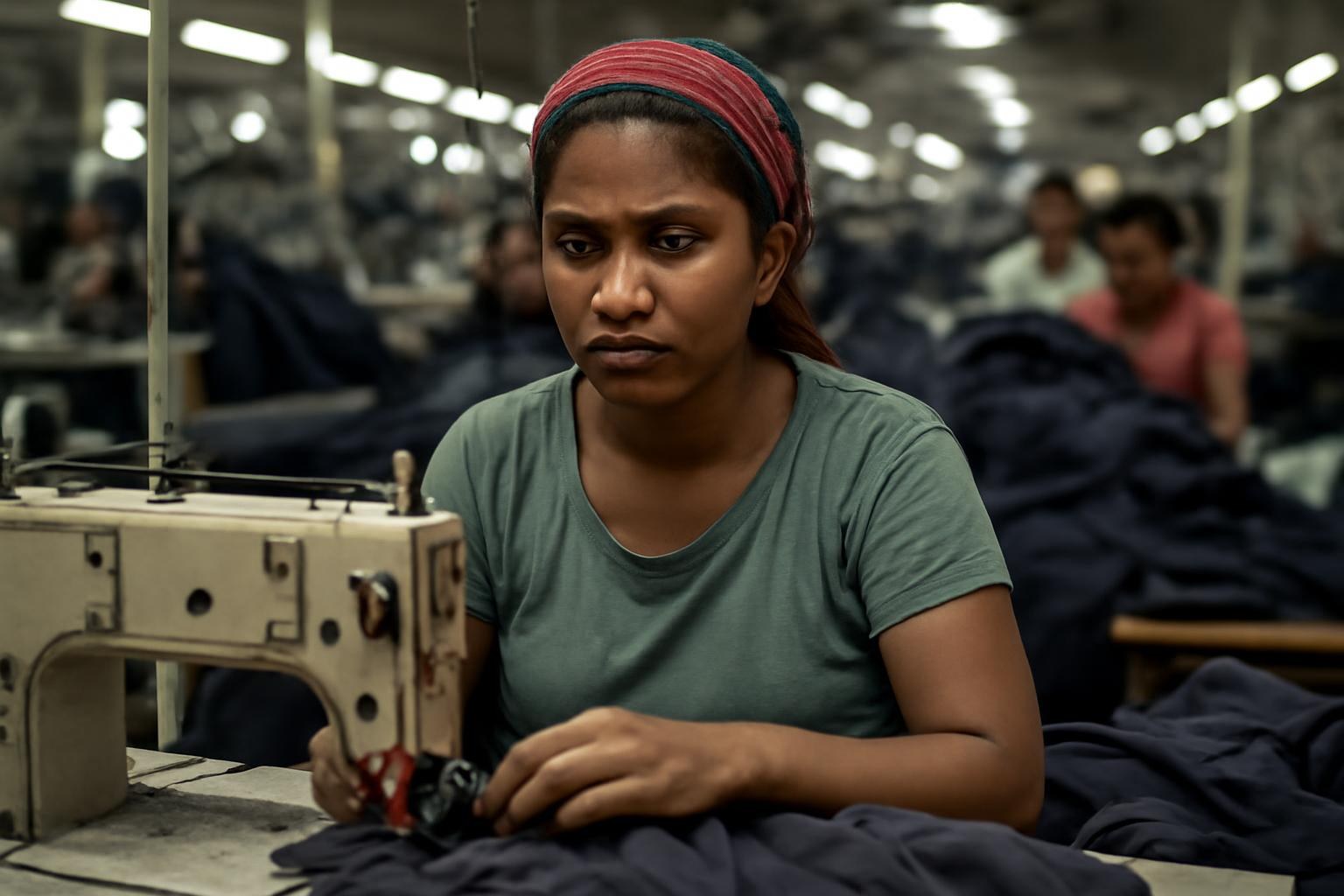
Workers in many garment factories are bound to a rigid timetable with almost no room to rest. Having worked shifts of twelve hours or more, they often come down with respiratory illnesses caused by dust and chemicals in poorly ventilated rooms. Those who take part in labor protests risk losing their jobs, making it difficult to clarify their rights or demand better treatment.

The problem reaches beyond the factory walls. A closer look at the industry reveals where the damage truly lies—from rivers polluted by chemical dyes to the fragile ecosystems harmed by microfibers released during laundry. Minus strict environmental regulations, these invisible worm-like plastic threads will continue to accumulate in oceans and enter the food chain.

On the consumer side, the temptation to buy a worthy outfit at an unbeatable bargain can be hard to resist. One activist group decided to make an impression on shoppers by filling a giant bucket with discarded garments outside a popular shopping mall. The message was clear: the fashion industry produces far more than the planet can absorb.

From the era of the telegraph to today's viral social media posts, stories of hunger and hardship among factory workers have long reached public awareness. One documentary followed a bride who spent months searching for an ethically made wedding dress, showing audiences where the real cost of a bargain truly lands—on the shoulders of vulnerable workers. The film also featured workers who use an electric drill to punch holes in metal clothing racks for ten hours a day, earning barely enough for a steak dinner on weekends.

Having studied the long-term effects of fast fashion, many economists and policy researchers agree that the industry must change. Governments are being urged to introduce legislation that forces brands to clarify their supply chains and eliminate any form of forced labor or modern slavery. Several major fashion houses have already pledged to cut down on waste and ensure their workers receive fair compensation.

The path forward will not be easy. Industry habits are rigid, and the gap between current practices and truly ethical standards remains slim. However, every time a consumer chooses quality over quantity, or takes part in a clothing swap event instead of buying new, it sends a message. Change begins not in the boardroom, but in the shopping basket.

한국어 번역

패스트패션 매장에서 할인 상품을 찾는 것을 즐길 때, 당신의 셔츠를 만든 의류 노동자는 아마 가장 마지막으로 떠오르는 생각일 것입니다. 그러나 모든 낮은 가격표 뒤에는 많은 사람들이 외면하고 싶어하는 이야기가 숨겨져 있습니다——장시간 노동, 빈약한 임금, 그리고 일부 인권 단체가 현대판 노예제도에 비유한 노동 환경에 관한 이야기입니다.

많은 의류 공장의 노동자들은 거의 휴식할 틈이 없는 엄격한 일정에 묶여 있습니다. 12시간 이상의 교대 근무를 마친 후, 그들은 환기가 불량한 작업실의 먼지와 화학 물질로 인해 호흡기 질환을 앓는 경우가 많습니다. 노동 시위에 참여하는 이들은 일자리를 잃을 위험을 감수해야 하며, 그로 인해 자신의 권리를 명확히 하거나 더 나은 처우를 요구하기가 더욱 어려워집니다.

문제는 공장 담벼락을 넘어섭니다. 이 산업을 면밀히 살펴보면 피해가 정확히 어디서 발생하는지 알 수 있습니다——화학 염료로 오염된 강에서부터 세탁 시 방출되는 미세섬유가 훼손하는 취약한 생태계까지. 엄격한 환경 규제가 없다면, 눈에 보이지 않는 벌레 모양의 플라스틱 조각들은 계속해서 바다에 쌓이고 먹이 사슬로 들어올 것입니다.

소비자 측면에서는, 탁월한 가격에 괜찮은 옷을 구입하고 싶은 유혹을 뿌리치기 어려울 수 있습니다. 한 활동가 단체는 인기 있는 쇼핑몰 앞에 버려진 옷들을 거대한 통에 채워 놓아 쇼핑객들에게 강렬한 인상을 남기기로 했습니다. 메시지는 분명했습니다: 패션 산업은 지구가 흡수할 수 있는 것보다 훨씬 더 많이 생산하고 있습니다.

전보 시대부터 오늘날의 바이럴 소셜 미디어 게시물에 이르기까지, 공장 노동자들의 굶주림과 고통에 관한 이야기는 오래전부터 대중의 인식에 닿아 왔습니다. 한 다큐멘터리는 윤리적으로 만들어진 웨딩드레스를 찾아 수개월을 보낸 한 신부를 따라가며, 할인가의 진짜 대가가 어디로 귀결되는지를 관객들에게 보여주었습니다——취약한 노동자들의 어깨 위에. 영화는 또한 하루 10시간 동안 전동 드릴로 금속 옷걸이에 구멍을 뚫으면서 주말에 스테이크 한 끼를 겨우 먹을 수 있을 만큼만 버는 노동자들의 이야기도 담았습니다.

패스트패션의 장기적인 영향을 연구한 끝에, 많은 경제학자와 정책 연구자들은 이 산업이 변해야 한다는 데 동의합니다. 정부들은 브랜드가 공급망을 명확히 밝히고 강제 노동이나 현대판 노예제의 어떤 형태도 없애도록 강제하는 법률을 도입하도록 촉구받고 있습니다. 몇몇 주요 패션 하우스들은 이미 폐기물을 줄이고 노동자들이 공정한 보상을 받을 수 있도록 하겠다고 약속했습니다.

앞으로 나아갈 길이 쉽지는 않을 것입니다. 업계의 관행은 굳건하며, 현재의 관행과 진정으로 윤리적인 기준 사이의 격차는 여전히 좁지 않습니다. 그러나 소비자가 양보다 질을 선택하거나, 새 옷을 사는 대신 옷 교환 행사에 참여할 때마다 하나의 메시지가 전달됩니다. 변화는 이사회 회의실이 아니라 쇼핑 바구니에서 시작됩니다.

04

Key Words

핵심 단어·구
15 개
05

Expressions

관용 표현
5 개
06

Practice

이해도 테스트
8 문항 +토론 2문항
0 /0문항

1 What do some human rights groups compare certain garment factory working conditions to?
정답입니다. 오답입니다. 정답은 초록색으로 표시했습니다.
2 What risk do garment workers face when they take part in labor protests?
정답입니다. 오답입니다. 정답은 초록색으로 표시했습니다.
3 According to the article, how did the activist group make an impression on shoppers?
정답입니다. 오답입니다. 정답은 초록색으로 표시했습니다.
4 According to the article, what should governments urge brands to do to fight forced labor?
정답입니다. 오답입니다. 정답은 초록색으로 표시했습니다.
5 Behind every low price tag lies a story about the worker who made your shirt.
정답입니다. 오답입니다. 정답은 초록색으로 표시했습니다.
6 A closer look at the industry reveals where the damage truly lies—from polluted rivers to the ecosystems harmed by microfibers.
정답입니다. 오답입니다. 정답은 초록색으로 표시했습니다.
7 Workers who labor protests risk losing their jobs.
정답입니다. 오답입니다. 정답은 초록색으로 표시했습니다.
8 Having worked shifts of twelve hours or more, many workers often respiratory illnesses.
정답입니다. 오답입니다. 정답은 초록색으로 표시했습니다.

Discussion

질문과 토론
2 문항

아래 질문에는 정답이 없습니다. 영어로 자신의 생각을 한 문항당 3~5문장으로 말해 보세요.

  1. 1 The article describes harsh working conditions in some garment factories. Do you think consumers have a responsibility to consider labor rights when they go shopping? What specific actions can ordinary people take to make a difference?
  2. 2 The article mentions that choosing quality over quantity and taking part in clothing swap events can send a message to the industry. Do you agree that individual shopping habits can help change an entire industry? Why or why not?