
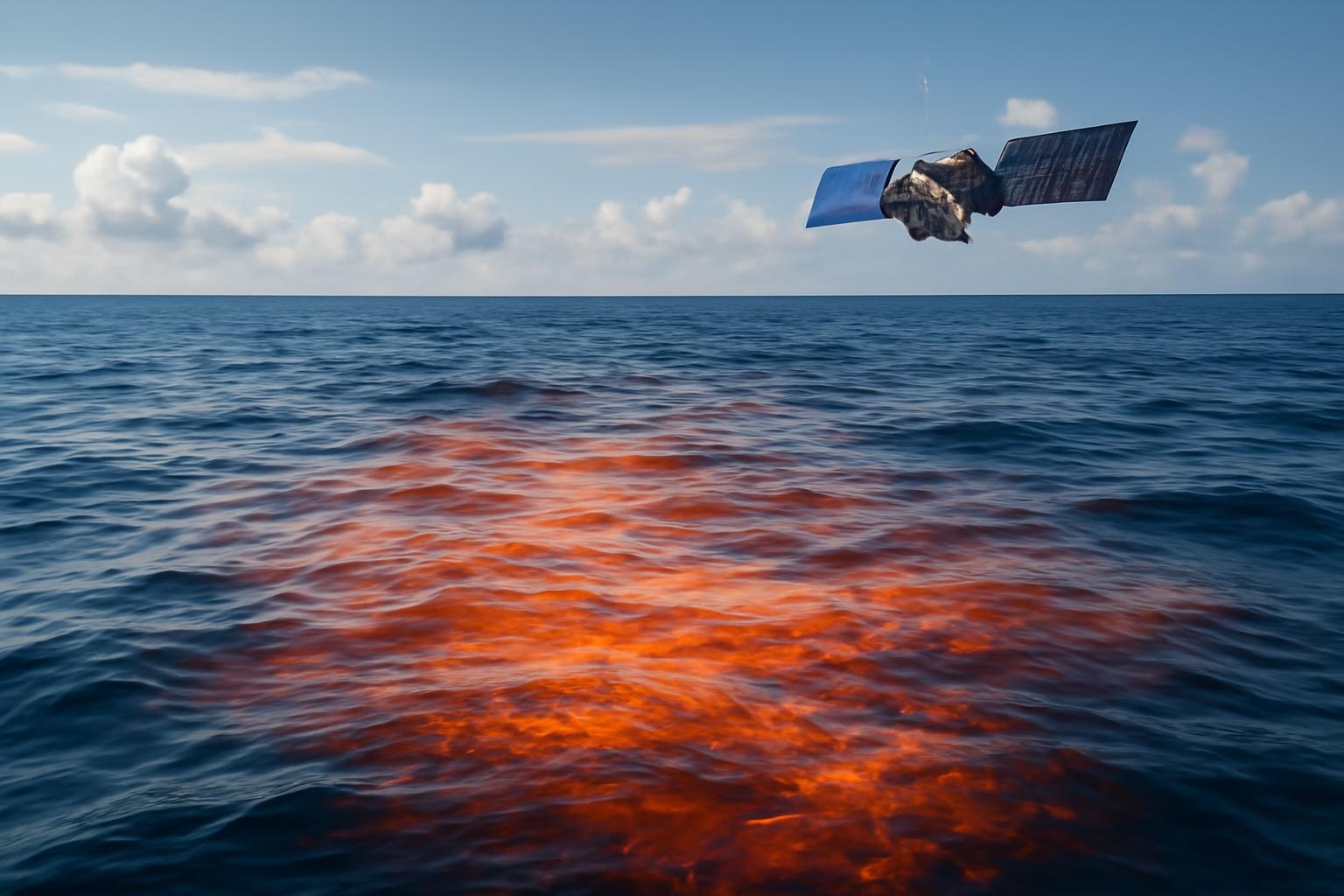
エルニーニョの成長に伴い、海洋が新記録を更新

公開日:2026-08-26 世界與新聞 Level 2
エルニーニョの成長に伴い、海洋が新記録を更新
01

About This Article

この記事について
背景
欧州のコペルニクス気候変動サービスは、ブイ、船舶、衛星のデータを利用して世界の海洋温度を推定しています。海洋は、人間の温室効果ガス排出によって生じた余分な熱の大部分を吸収しているため、海水温の上昇は海洋生物だけでなく、嵐や熱波、沿岸地域にも影響を及ぼします。今回の記録が特に注目されているのは、エルニーニョ現象が依然として強まり続け、予想されるピークにまだ達していないためです。
  • 世界の海洋表面温度が過去最高を記録
  • 人為的な温暖化とエルニーニョ現象がともに熱量を増加させる
  • 暖かい海が異常気象や沿岸洪水を悪化させる可能性
  • 海洋熱波が海洋生態系を脅かし続ける
02

Listen First

まず聞く
00:00 / 00:00
03

Reading

記事を読む
English

The world's oceans have reached their highest recorded average surface temperature outside the polar regions. On Saturday, the temperature reached 21.1C, according to data from the European Copernicus climate change service. This was slightly higher than the previous record of 21.09C in March 2024. It was also far above the usual temperature for this time of year.

The data came from measurements taken 10 meters below the surface. Scientists combined information from buoys, ships, and satellites to make a global estimate. A small difference does not remove all uncertainty from the record. However, the timing is unusual because ocean temperatures around the world normally reach their yearly peak in March or April.

One reason for the current heat is El Niño, a natural weather phenomenon. It brings unusually warm water to the surface in the central and eastern tropical Pacific Ocean. El Niño is expected to keep growing until around Christmas, and scientists say it could become one of the strongest in centuries. Since it has not reached its expected peak, ocean temperatures could rise even more.

The heat is not limited to the Pacific. Waters around the United Kingdom and Europe are also unusually warm, and the western English Channel has experienced almost continuous marine heatwave conditions for more than three years. In July, its temperature reached almost 7C above normal. Scientists say this widespread warmth shows the growing effect of human-caused climate change.

Oceans absorb more than 90% of the extra heat trapped by greenhouse gas emissions, mainly from burning fossil fuels. Warmer seas can give storms more moisture and energy, raise sea levels, and increase coastal flooding. They can also harm habitats such as coral reefs and put pressure on marine ecosystems and the communities that depend on them. The new record is therefore a warning about the long-term stress faced by the world's oceans.

日本語訳

世界の海洋は、極域を除く地域で、観測史上最高の平均表面温度に達しました。欧州のコペルニクス気候変動サービスのデータによると、土曜日の温度は21.1度に達しました。これは、2024年3月に記録された過去最高の21.09度をわずかに上回るものでした。また、1年のこの時期の通常の温度をはるかに上回っていました。

このデータは、海面下10メートルで行われた測定から得られました。科学者たちは、ブイ、船舶、衛星からの情報を組み合わせて、世界全体の推定値を算出しました。差がわずかであっても、この記録からすべての不確実性がなくなるわけではありません。しかし、今回この記録が現れた時期は異例です。というのも、世界の海水温は通常、3月または4月に年間のピークに達するからです。

現在の高温の原因の一つは、自然現象であるエルニーニョです。エルニーニョは、熱帯太平洋の中央部と東部で、異常に暖かい海水を海面に押し上げます。エルニーニョはクリスマス頃まで成長を続けると予想されており、科学者たちは、数世紀の中でも最も強い現象の一つになる可能性があると述べています。まだ予想されるピークに達していないため、海洋温度はさらに上昇する可能性があります。

この熱は太平洋だけに限られません。イギリスやヨーロッパ周辺の海水も異常に暖かく、西部のイギリス海峡では3年以上にわたって、ほぼ途切れることなく海洋熱波の状態が続いています。7月には、その水温は平年より約7度も高くなりました。科学者たちは、この広範囲に及ぶ温暖化が、人間の活動によって引き起こされた気候変動の影響が拡大していることを示していると述べています。

海洋は、主に化石燃料の燃焼による温室効果ガスの排出によって閉じ込められた余分な熱の90%以上を吸収しています。暖かい海は、嵐により多くの水分とエネルギーを与え、海面を上昇させ、沿岸洪水を増加させる可能性があります。また、サンゴ礁などの生息地に被害を与え、海洋生態系や、それらに依存する地域社会に大きな負担をかけることもあります。したがって、この新記録は、世界の海洋が長期的に直面しているストレスへの警告なのです。

04

Key Words

重要単語・フレーズ
5 件
05

Expressions

慣用表現
5 件
06

Practice

理解度テスト
4 問 +ディスカッション 3 問
0 /0 問

1 Why is the timing of the new ocean temperature record unusual?
正解です。 不正解です。正解は緑色で示しています。
2 What can warmer seas do to storms?
正解です。 不正解です。正解は緑色で示しています。
3 Scientists combined information from several sources to make a global .
正解です。 不正解です。正解は緑色で示しています。
4 El Niño is a natural weather .
正解です。 不正解です。正解は緑色で示しています。

Discussion

質問とディスカッション
3 問

以下の問いに正解はありません。英語で自分の考えを、1 問につき 3〜5 文で話してみましょう。

  1. 1 How might warmer oceans affect the weather or coastal areas where you live? Explain your ideas.
  2. 2 What actions can individuals, communities, or governments take to reduce pressure on marine ecosystems? Discuss your opinion.
  3. 3 Have you ever noticed an unusual change in weather or nature? Describe what happened and how it affected you or your community.