
台湾のゼロウェイストマーケット:成長する緑の雪だるまの発祥地

公開日:2026-09-05 高中英文篇 Level 3
台湾のゼロウェイストマーケット:成長する緑の雪だるまの発祥地
01

About This Article

この記事について
背景
台湾は毎年大量のプラスチック廃棄物を生み出しており、その多くが包装材料に起因しています。近年、民間の環境保護コミュニティが市場という形で「ゼロウェイスト」生活を広め、消費者が自前の容器を持参し、バラ売りや包装を最小限に抑えた商品を選ぶよう促しています。この流れは台北から始まり、徐々に台湾全土へと広がり、草の根からの緑の革命となっています。
  • 台北・大安区のゼロウェイストマーケットは台湾の環境保護運動の発祥地とみなされている
  • 熟練したボランティアが再利用可能な容器の普及を推進している
  • 食料品店主のチェン・ウェイが余剰野菜・果物を活用した低廃棄販売モデルを開拓した
  • 科学者が南極の氷解を警告し、環境保護行動の加速を呼びかけている
  • ゼロウェイストの理念が雪だるま式に台湾各地の都市へと広がっている
02

Listen First

まず聞く
00:00 / 00:00
03

Reading

記事を読む
English

Every Saturday morning, a bustling outdoor market opens in Taipei's Da'an District — a place widely recognized as the birthplace of Taiwan's growing zero-waste movement. Volunteers and shoppers come together with a shared mission: to reuse everything they can and reduce plastic waste one purchase at a time.

The market is organized with great care. Shelves shaped like a tall rectangle display glass jars, bamboo toothbrushes, and cloth bags. Customers are free to browse a long bookshelf of secondhand books or find a bookcase full of donated household items. Each product is labeled with a comma between its price and its eco-rating — a small detail that helps shoppers make better choices.

The volunteers who run the market are remarkably skillful. The idea is simple enough to be adopted by anyone, yet it has proven powerful enough to reshape how a community shops and thinks. Their bravery in challenging Taiwan's throwaway culture has earned wide respect. Starting this movement was troublesome at first, as many businesses resisted change and many shoppers were skeptical.

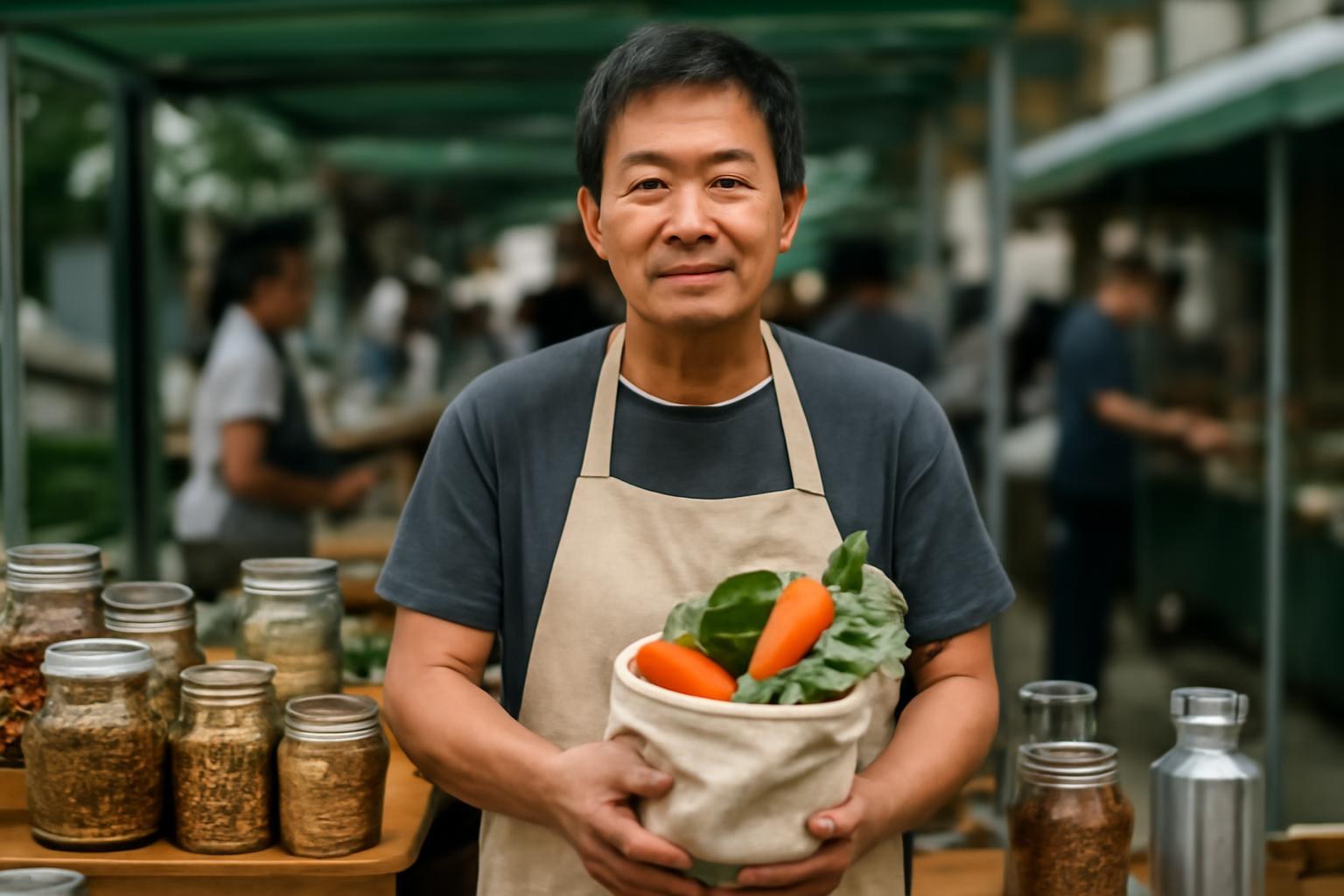
One longtime participant, a grocer named Chen Wei, began selling leftover vegetables and imperfect fruits that supermarkets rejected. "People think that salty snacks in shiny plastic bags are convenient," he said, "but they are also deeply unhealthy and generate mountains of waste." He encouraged customers to take out their own reusable containers rather than accepting single-use bags, making the act of shopping as meaningful as any act of environmental activism.

When the market first started, the organizers sent updates through a simple telegram app rather than social media. They shared recipes using seaweed, dried mushrooms, and other low-packaging ingredients. The community grew steadily, and people who had once yawned at environmental news suddenly became enthusiastic participants.

Scientists studying the antarctic have warned that melting ice is accelerating due to pollution and excessive plastic production. Their findings have made the zero-waste movement even more urgent. This market has become a battleground — not between people, but against the habits of a consumer society. Supporters refuse to put up with the slow pace of change, demanding faster action from both businesses and the government.

The idea has grown like a snowball rolling downhill, spreading from one neighborhood to cities across Taiwan. On busy weekends, shoppers arrive noisily, chatting and laughing as they exchange tips on sustainable living. Even a sudden sneeze from standing in a cold morning draft does not chase anyone away. The movement has gained remarkable momentum, turning the fight against plastic into a true battleground where every mindful choice matters.

日本語訳

毎週土曜日の朝、台北の大安区では賑やかな青空市場が開かれます。この場所は台湾で広まりつつあるゼロウェイスト運動の発祥地として広く認識されています。ボランティアと買い物客が共通の使命を胸に集まります。それは、できる限りあらゆるものを再利用し、一度の購入ごとにプラスチック廃棄物を減らすことです。

この市場は細心の注意を払って運営されています。縦長の長方形をした棚にはガラス瓶、竹製歯ブラシ、布袋が並んでいます。お客様は長い棚に並んだ古本を自由に閲覧したり、寄付された生活用品でいっぱいの本棚から掘り出し物を見つけたりできます。各商品には価格とエコ評価の間にコンマが入ったラベルが貼られており、買い物客がより賢い選択をするための小さな工夫となっています。

市場を運営するボランティアたちは非常に熟練しています。このアイデアは誰でも取り入れられるほどシンプルでありながら、地域社会の買い物の仕方や考え方を変えるほど力強いことが証明されました。台湾の使い捨て文化に挑戦する彼らの勇敢さは広く尊敬を集めています。多くの企業が変化に抵抗し、多くの買い物客が懐疑的だったため、当初この運動を始めることは困難を伴いました。

長年の参加者の一人、チェン・ウェイという名の食料品店主は、スーパーマーケットが拒否した余剰野菜や見た目の悪い果物を売り始めました。「ピカピカのプラスチック袋に入った塩気のあるスナックは便利だと思われているが、実はとても体に悪く、大量のごみを生み出す」と彼は言いました。彼は客に使い捨て袋を受け取る代わりに自分の再利用可能な容器を取り出すよう促し、買い物という行為をあらゆる環境保護活動と同じくらい意義あるものにしました。

市場が始まった当初、主催者たちはソーシャルメディアではなく、シンプルなメッセージアプリを通じて最新情報を送信していました。彼らは海藻、干ししいたけ、その他の低包装食材を使ったレシピを共有しました。コミュニティは着実に成長し、かつて環境ニュースを見てあくびをしていた人々が突然、熱心な参加者へと変わりました。

南極を研究している科学者たちは、汚染と過剰なプラスチック生産により氷の融解が加速していると警告しています。彼らの研究結果はゼロウェイスト運動をさらに緊急なものにしました。この市場は戦場となっています——人と人との争いではなく、消費者社会の習慣に対抗する場として。支持者たちは変化の遅さに我慢できず、企業と政府の双方に対して迅速な行動を求めています。

このアイデアは坂を転がる雪だるまのように成長し、一つの地域から台湾各地の都市へと広がっています。忙しい週末、買い物客は賑やかに到着し、サステナブルな生活のコツを交わしながらおしゃべりや笑いを楽しみます。冷たい朝の風の中で突然くしゃみが出ても、誰一人帰ろうとはしません。この運動は目覚ましい勢いを得て、プラスチックとの戦いを、すべての思慮深い選択が重要となる真の戦場へと変えました。

04

Key Words

重要単語・フレーズ
15 件
05

Expressions

慣用表現
5 件
06

Practice

理解度テスト
8 問 +ディスカッション 2 問
0 /0 問

1 Where does Taiwan's zero-waste market described in the article take place?
正解です。 不正解です。正解は緑色で示しています。
2 What did Chen Wei sell at the zero-waste market that supermarkets had rejected?
正解です。 不正解です。正解は緑色で示しています。
3 How did the market organizers initially communicate news and updates to the community?
正解です。 不正解です。正解は緑色で示しています。
4 According to scientists studying the antarctic, what is causing ice to melt at an accelerating rate?
正解です。 不正解です。正解は緑色で示しています。
5 The volunteers who run the market are remarkably . They sort donated goods, manage displays, and educate newcomers with patience and warmth.
正解です。 不正解です。正解は緑色で示しています。
6 This market has become a — not between people, but against the habits of a consumer society.
正解です。 不正解です。正解は緑色で示しています。
7 He encouraged customers to their own reusable containers rather than accepting single-use bags.
正解です。 不正解です。正解は緑色で示しています。
8 Supporters refuse to the slow pace of change, demanding faster action from both businesses and the government.
正解です。 不正解です。正解は緑色で示しています。

Discussion

質問とディスカッション
2 問

以下の問いに正解はありません。英語で自分の考えを、1 問につき 3〜5 文で話してみましょう。

  1. 1 Do you think zero-waste markets like the one described in the article can make a real difference in reducing plastic pollution? Why or why not?
  2. 2 What is one change you could make in your own daily life to reduce plastic waste? How would you encourage a friend or family member to do the same?