
Taiwan's Zero-Waste Market: The Birthplace of a Growing Green Snowball

發布日期:2026-09-05 高中英文篇 Level 3
Taiwan's Zero-Waste Market: The Birthplace of a Growing Green Snowball
01

About This Article

關於這篇文章
背景
台灣每年產生大量塑膠廢棄物,其中大部分來自包裝材料。近年來,民間環保社群開始以市集的形式推廣「零廢棄」生活,鼓勵消費者自備容器,選購散裝或低包裝商品。這股風潮從台北出發,逐漸蔓延至全台各地,成為一場由下而上的綠色革命。
  • 台北大安區零廢棄市集被視為台灣環保運動的發源地
  • 技術精湛的志工推動重複使用包裝容器的觀念
  • 雜貨商陳偉以剩餘蔬果開創低廢棄販售模式
  • 科學家以南極融冰警示,呼籲加速環保行動
  • 零廢棄理念如滾雪球般擴展至台灣各大城市
02

Listen First

先聽文章
00:00 / 00:00
03

Reading

閱讀文章
English

Every Saturday morning, a bustling outdoor market opens in Taipei's Da'an District — a place widely recognized as the birthplace of Taiwan's growing zero-waste movement. Volunteers and shoppers come together with a shared mission: to reuse everything they can and reduce plastic waste one purchase at a time.

The market is organized with great care. Shelves shaped like a tall rectangle display glass jars, bamboo toothbrushes, and cloth bags. Customers are free to browse a long bookshelf of secondhand books or find a bookcase full of donated household items. Each product is labeled with a comma between its price and its eco-rating — a small detail that helps shoppers make better choices.

The volunteers who run the market are remarkably skillful. The idea is simple enough to be adopted by anyone, yet it has proven powerful enough to reshape how a community shops and thinks. Their bravery in challenging Taiwan's throwaway culture has earned wide respect. Starting this movement was troublesome at first, as many businesses resisted change and many shoppers were skeptical.

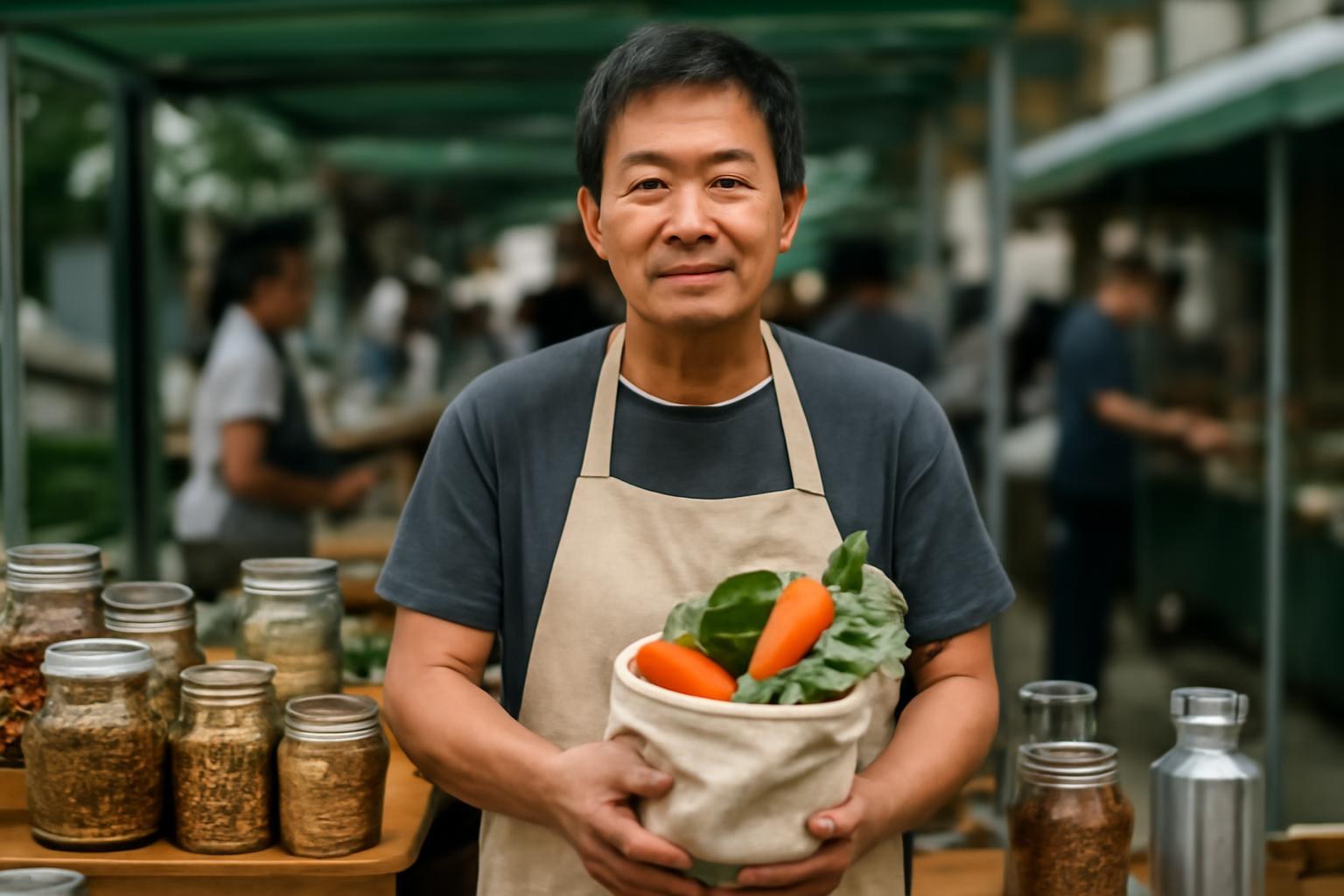
One longtime participant, a grocer named Chen Wei, began selling leftover vegetables and imperfect fruits that supermarkets rejected. "People think that salty snacks in shiny plastic bags are convenient," he said, "but they are also deeply unhealthy and generate mountains of waste." He encouraged customers to take out their own reusable containers rather than accepting single-use bags, making the act of shopping as meaningful as any act of environmental activism.

When the market first started, the organizers sent updates through a simple telegram app rather than social media. They shared recipes using seaweed, dried mushrooms, and other low-packaging ingredients. The community grew steadily, and people who had once yawned at environmental news suddenly became enthusiastic participants.

Scientists studying the antarctic have warned that melting ice is accelerating due to pollution and excessive plastic production. Their findings have made the zero-waste movement even more urgent. This market has become a battleground — not between people, but against the habits of a consumer society. Supporters refuse to put up with the slow pace of change, demanding faster action from both businesses and the government.

The idea has grown like a snowball rolling downhill, spreading from one neighborhood to cities across Taiwan. On busy weekends, shoppers arrive noisily, chatting and laughing as they exchange tips on sustainable living. Even a sudden sneeze from standing in a cold morning draft does not chase anyone away. The movement has gained remarkable momentum, turning the fight against plastic into a true battleground where every mindful choice matters.

中文翻譯

每個週六早晨,台北大安區都會開設一個熱鬧的戶外市集——這裡被公認為台灣蓬勃發展之零廢棄運動的發源地。志工與消費者共同懷抱一個使命:盡可能重複使用物品,並每次購物都為減少塑膠廢棄物盡一份心力。

這個市集的規劃相當用心。形狀如高聳長方形的架子上陳列著玻璃罐、竹製牙刷與布袋。顧客可以自由翻閱一排二手書架上的書籍,或在一個裝滿捐贈生活用品的書櫃中尋寶。每件商品的標籤上,價格與環保評級之間以逗號區隔——這個小細節幫助消費者做出更明智的選擇。

負責管理市集的志工們技術精湛。這個理念簡單到任何人都能採納,卻已證明足以強大到改變一個社群的購物與思考方式。他們勇敢地挑戰台灣的拋棄式文化,贏得了廣泛的尊重。起初推動這項運動相當費力,因為許多商家抗拒改變,許多消費者也持懷疑態度。

長期參與的雜貨商陳偉開始販售超市拒收的剩餘蔬菜與外觀不完美的水果。「人們以為裝在亮面塑膠袋裡的鹹味零食很方便,」他說,「但它們其實也非常不健康,還製造了大量廢棄物。」他鼓勵顧客自行取出可重複使用的容器,而不是接受一次性袋子,讓購物這件事如同任何一項環保行動一樣富有意義。

市集剛起步時,主辦單位透過一款簡易的通訊應用程式發送最新消息,而非使用社群媒體。他們分享以海藻、乾香菇等低包裝食材為主的食譜。社群穩定成長,那些曾對環保新聞打哈欠的人,也突然成了熱情的參與者。

研究南極洲的科學家警告,由於污染與過度生產塑膠,冰川融化的速度正在加快。他們的研究發現使零廢棄運動更加迫切。這個市集已成為一個戰場——不是人與人之間的對立,而是對抗消費社會根深蒂固的習慣。支持者拒絕忍受變革步伐的遲緩,要求商家與政府採取更快速的行動。

這個理念如一顆越滾越大的雪球,從一個社區擴展至台灣各大城市。繁忙的週末,消費者吵鬧地湧入市集,邊聊天邊分享永續生活的心得。即使站在冷冽的晨風中突然打了個噴嚏,也無法讓人離去。這項運動已累積了驚人的動能,將對抗塑膠的戰鬥化為一個真正的戰場,在那裡每一個用心的選擇都舉足輕重。

04

Key Words

重點詞彙片語
15 個
05

Expressions

慣用句
5 則
06

Practice

課後測驗
8 題 +討論 2 題
0 /0 題

1 Where does Taiwan's zero-waste market described in the article take place?
答對了! 答錯了,正確答案以綠色標示。
2 What did Chen Wei sell at the zero-waste market that supermarkets had rejected?
答對了! 答錯了,正確答案以綠色標示。
3 How did the market organizers initially communicate news and updates to the community?
答對了! 答錯了,正確答案以綠色標示。
4 According to scientists studying the antarctic, what is causing ice to melt at an accelerating rate?
答對了! 答錯了,正確答案以綠色標示。
5 The volunteers who run the market are remarkably . They sort donated goods, manage displays, and educate newcomers with patience and warmth.
答對了! 答錯了,正確答案以綠色標示。
6 This market has become a — not between people, but against the habits of a consumer society.
答對了! 答錯了,正確答案以綠色標示。
7 He encouraged customers to their own reusable containers rather than accepting single-use bags.
答對了! 答錯了,正確答案以綠色標示。
8 Supporters refuse to the slow pace of change, demanding faster action from both businesses and the government.
答對了! 答錯了,正確答案以綠色標示。

Discussion

問題與討論
2 題

以下問題沒有標準答案,請試著用英文說出自己的想法,一題講三到五句話。

  1. 1 Do you think zero-waste markets like the one described in the article can make a real difference in reducing plastic pollution? Why or why not?
  2. 2 What is one change you could make in your own daily life to reduce plastic waste? How would you encourage a friend or family member to do the same?