
왜 바다는 플라스틱으로 가득할까?

게시일:2026-09-02 國中英語篇 Level 2
왜 바다는 플라스틱으로 가득할까?
01

About This Article

이 기사에 대하여
배경
플라스틱은 가볍고 저렴하며 내구성이 뛰어나 널리 사용됩니다. 그러나 많은 플라스틱 제품은 몇 분 동안만 사용되는데도 환경에 수백 년 동안 남아 있을 수 있습니다. 쓰레기 관리, 소비 습관, 기업의 생산 방식은 모두 해양 플라스틱 오염과 관련이 있습니다.
  • 많은 플라스틱 쓰레기가 결국 바다로 흘러들 수 있음
  • 비닐봉지와 어구가 해양 생물을 해침
  • 재활용 제도로 모든 플라스틱 폐기물을 처리할 수 없음
  • 일회용품을 줄이려면 정부와 시민의 협력이 필요함
02

Listen First

먼저 듣기
00:00 / 00:00
03

Reading

기사 읽기
English

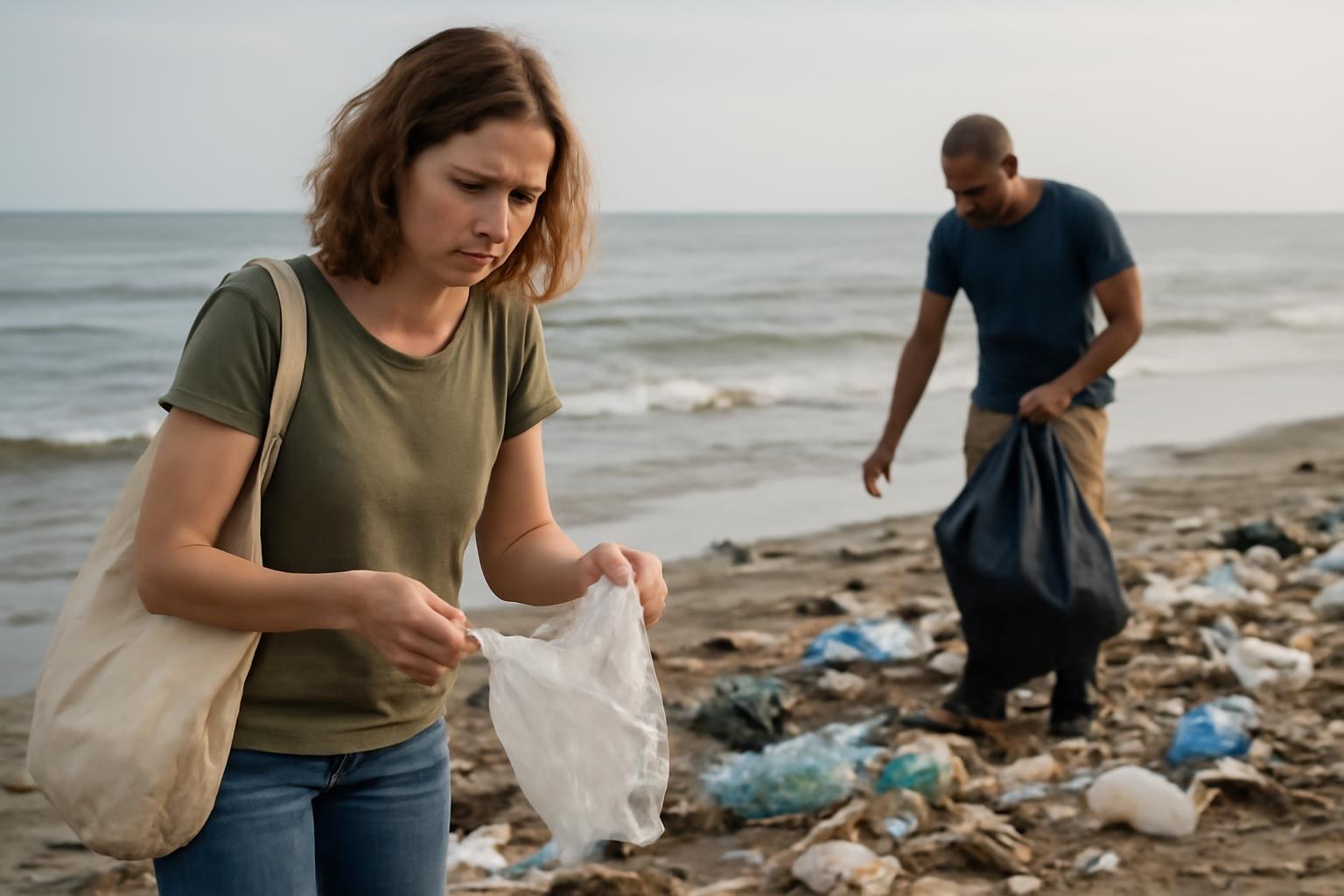
Plastic is useful, cheap, and light, so people use it for bottles, bags, food packages, and many other products. The problem begins when these products are thrown away after a short time. Some plastic is placed in trash cans, but some is left on streets, beaches, or near rivers. Rain and wind can carry this waste into streams and eventually into the ocean.

Plastic also reaches the sea from fishing and shipping. Lost nets, ropes, and other equipment can float for years. Sea turtles may mistake plastic bags for food, and birds can become trapped in small pieces. Fish and other animals may eat tiny plastic particles, which can move through the food chain.

Many people believe recycling can solve the problem, but recycling has limits. Different kinds of plastic must be collected and processed in different ways. Some dirty or mixed materials are difficult to recycle, and not every area has a good recycling system. As a result, a large amount of plastic still goes to landfills, is burned, or enters the natural environment.

Governments and companies can reduce the amount of waste by changing how products are made and sold. They can design packages that use less material and create systems for returning bottles. Cities can provide more public bins and improve trash collection near rivers and beaches. Strong rules can also encourage businesses to take responsibility for the waste they produce.

Individuals have an important role as well. People can carry reusable bags and cups, refuse unnecessary straws, and choose products with less packaging. Cleaning a beach is helpful, but preventing waste is even better. The ocean will become healthier only when our daily choices, business practices, and public policies begin to work together.

한국어 번역

플라스틱은 유용하고 저렴하며 가볍기 때문에 사람들은 병, 봉지, 식품 포장 및 그 밖의 많은 제품에 플라스틱을 사용합니다. 문제는 이러한 제품들이 짧은 시간 동안 사용된 후 버려질 때 시작됩니다. 일부 플라스틱은 쓰레기통에 버려지지만, 일부는 거리나 해변 또는 강 주변에 방치됩니다. 비와 바람은 이러한 쓰레기를 개울로 운반하고, 결국 바다로 흘러들게 할 수 있습니다.

플라스틱은 어업과 해운을 통해서도 바다에 도달합니다. 잃어버린 그물, 밧줄 및 기타 장비는 수년 동안 떠다닐 수 있습니다. 바다거북은 비닐봉지를 먹이로 착각할 수 있고, 새들은 작은 조각에 걸려 움직이지 못하게 될 수 있습니다. 물고기와 다른 동물들은 아주 작은 플라스틱 입자를 먹을 수 있으며, 이러한 입자들은 먹이사슬을 통해 이동할 수 있습니다.

많은 사람들은 재활용이 문제를 해결할 수 있다고 생각하지만, 재활용에는 한계가 있습니다. 서로 다른 종류의 플라스틱은 서로 다른 방식으로 수거하고 처리해야 합니다. 더럽거나 여러 재료가 섞인 물질은 재활용하기 어렵고, 모든 지역에 훌륭한 재활용 시스템이 갖추어져 있는 것도 아닙니다. 그 결과, 여전히 많은 양의 플라스틱이 매립지로 가거나 소각되거나 자연환경으로 유입됩니다.

정부와 기업은 제품이 만들어지고 판매되는 방식을 바꿈으로써 폐기물의 양을 줄일 수 있습니다. 포장재를 더 적은 재료로 설계하고 병을 반납하는 시스템을 만들 수도 있습니다. 도시들은 강과 해변 주변에 공공 쓰레기통을 더 많이 설치하고 쓰레기 수거를 개선할 수 있습니다. 강력한 규정은 기업들이 자신들이 만들어 낸 폐기물에 책임을 지도록 장려할 수도 있습니다.

개인도 중요한 역할을 합니다. 사람들은 재사용할 수 있는 가방과 컵을 가지고 다니고, 불필요한 빨대를 거절하며, 포장재가 적은 제품을 선택할 수 있습니다. 해변을 청소하는 것도 도움이 되지만, 쓰레기가 생기는 것을 막는 것이 훨씬 더 좋습니다. 우리의 일상적인 선택, 기업의 관행, 공공 정책이 함께 작동하기 시작할 때에만 바다는 더 건강해질 것입니다.

04

Key Words

핵심 단어·구
3 개
05

Expressions

관용 표현
3 개
06

Practice

이해도 테스트
9 문항 +토론 3문항
0 /0문항

1 How can plastic reach the ocean from streets?
정답입니다. 오답입니다. 정답은 초록색으로 표시했습니다.
2 Why does recycling have limits?
정답입니다. 오답입니다. 정답은 초록색으로 표시했습니다.
3 What is better than cleaning a beach?
정답입니다. 오답입니다. 정답은 초록색으로 표시했습니다.
4 Rain and wind can carry plastic waste into streams and .
정답입니다. 오답입니다. 정답은 초록색으로 표시했습니다.
5 Birds can become in small pieces of plastic.
정답입니다. 오답입니다. 정답은 초록색으로 표시했습니다.
6 People can carry bags and cups.
정답입니다. 오답입니다. 정답은 초록색으로 표시했습니다.
7 Plastic is used bottles, bags, and food packages.
정답입니다. 오답입니다. 정답은 초록색으로 표시했습니다.
8 Birds can become trapped small pieces of plastic.
정답입니다. 오답입니다. 정답은 초록색으로 표시했습니다.
9 Businesses should take responsibility the waste they produce.
정답입니다. 오답입니다. 정답은 초록색으로 표시했습니다.

Discussion

질문과 토론
3 문항

아래 질문에는 정답이 없습니다. 영어로 자신의 생각을 한 문항당 3~5문장으로 말해 보세요.

  1. 1 What plastic products do you use most often, and how could you use fewer of them?
  2. 2 How can schools or neighborhoods reduce plastic waste near rivers and beaches?
  3. 3 Do you think individuals or companies should have more responsibility for ocean plastic? Why?