
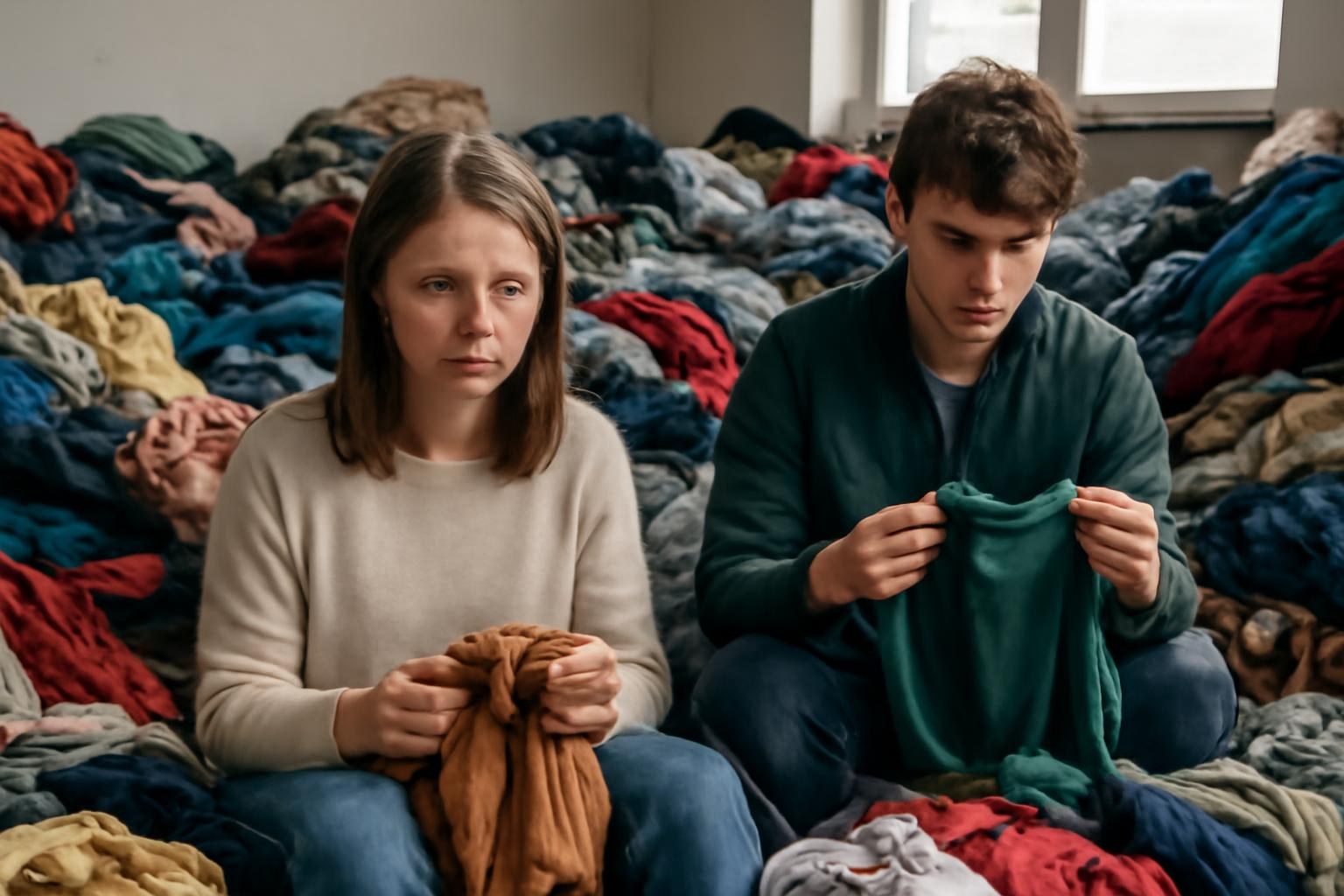
전 세계적인 과잉 의류 문제

게시일:2026-09-02 國中英語篇 Level 2
전 세계적인 과잉 의류 문제
01

About This Article

이 기사에 대하여
배경
패스트 패션은 저렴한 가격과 빠르게 바뀌는 스타일로 소비자를 끌어들이지만, 의류의 생산·운송·폐기 과정에서는 모두 자원이 소비됩니다. 의류 산업이 환경에 미치는 비용을 이해하면 소비자는 구매, 관리, 기부 등의 방법으로 낭비를 줄일 수 있습니다.
  • 패스트 패션으로 의류 생산과 구매 속도가 빨라짐
  • 의류 제조에는 물과 에너지가 소비됨
  • 많은 의류가 결국 쓰레기가 됨
  • 의류 수명을 연장하면 환경 영향을 줄일 수 있음
02

Listen First

먼저 듣기
00:00 / 00:00
03

Reading

기사 읽기
English

Clothing is an important part of daily life, but the world now produces and buys more clothes than ever before. Fast fashion companies release new styles very quickly and sell them at low prices. These prices make it easy for customers to buy something they may wear only a few times. When the next style appears, the old clothing is often forgotten.

Making clothes uses large amounts of water, energy, and raw materials. Cotton needs water to grow, while factories need electricity to turn fibers into cloth and cloth into shirts or pants. Clothing must then be transported between countries before it reaches a store. Each step can create pollution and greenhouse gas emissions.

The problem continues after people stop wearing an item. Some clothes are donated, but donation centers cannot accept everything. Unwanted clothing may be sent to another country, placed in a landfill, or burned. Synthetic fabrics can release tiny fibers when they are washed, and these fibers may enter rivers and oceans.

Consumers can make a difference by changing their habits. Before buying something, they can ask whether they really need it and whether it will match clothes they already own. Choosing strong, comfortable items can reduce the need for frequent replacement. Repairing a loose button or changing the style of an old shirt can also extend its useful life.

Companies and governments have responsibilities too. Businesses can use safer materials, provide clear information about production, and design clothes that last longer. Governments can support recycling programs and set rules for waste. The goal is not to stop people from enjoying fashion, but to create a system in which clothes are used longer and fewer resources are wasted.

한국어 번역

의류는 일상생활에서 중요한 부분이지만, 오늘날 전 세계는 그 어느 때보다 많은 옷을 생산하고 구매합니다. 패스트 패션 기업들은 새로운 스타일을 매우 빠르게 출시하고 저렴한 가격에 판매합니다. 이러한 가격 때문에 고객들은 몇 번밖에 입지 않을 옷도 쉽게 살 수 있습니다. 다음 스타일이 등장하면 이전 옷은 자주 잊힙니다.

옷을 만드는 데에는 많은 양의 물, 에너지, 원자재가 사용됩니다. 목화가 자라려면 물이 필요하고, 공장에서는 섬유를 천으로, 천을 셔츠나 바지로 만들기 위해 전기가 필요합니다. 그런 다음 옷은 매장에 도착하기 전에 여러 나라 사이로 운송되어야 합니다. 각 단계에서 오염과 온실가스 배출이 발생할 수 있습니다.

사람들이 어떤 물건을 더 이상 입지 않은 후에도 문제는 계속됩니다. 일부 옷은 기부되지만, 기부 센터가 모든 것을 받을 수는 없습니다. 원하지 않는 옷은 다른 나라로 보내지거나, 매립지에 묻히거나, 소각될 수 있습니다. 합성 섬유는 세탁할 때 아주 작은 섬유를 방출할 수 있으며, 이러한 섬유는 강과 바다로 들어갈 수 있습니다.

소비자들은 자신의 습관을 바꿈으로써 변화를 만들어 낼 수 있습니다. 무언가를 사기 전에 정말 필요한지, 이미 가지고 있는 옷과 잘 어울릴지 생각해 볼 수 있습니다. 튼튼하고 편안한 옷을 선택하면 자주 교체할 필요를 줄일 수 있습니다. 떨어진 단추를 고치거나 오래된 셔츠의 스타일을 바꾸는 것도 그 옷의 유용한 수명을 연장할 수 있습니다.

기업과 정부에도 책임이 있습니다. 기업은 더 안전한 소재를 사용하고, 생산 과정에 대한 명확한 정보를 제공하며, 더 오래 입을 수 있는 옷을 디자인할 수 있습니다. 정부는 재활용 프로그램을 지원하고 폐기물에 대한 규정을 마련할 수 있습니다. 목표는 사람들이 패션을 즐기지 못하게 하는 것이 아니라, 옷을 더 오래 사용하고 자원을 더 적게 낭비하는 시스템을 만드는 것입니다.

04

Key Words

핵심 단어·구
3 개
05

Expressions

관용 표현
3 개
06

Practice

이해도 테스트
9 문항 +토론 3문항
0 /0문항

1 Why do people often buy many fast fashion items?
정답입니다. 오답입니다. 정답은 초록색으로 표시했습니다.
2 What may happen to unwanted clothing?
정답입니다. 오답입니다. 정답은 초록색으로 표시했습니다.
3 How can consumers extend the useful life of clothes?
정답입니다. 오답입니다. 정답은 초록색으로 표시했습니다.
4 Strong, comfortable items reduce the need for replacement.
정답입니다. 오답입니다. 정답은 초록색으로 표시했습니다.
5 fabrics may release tiny fibers when washed.
정답입니다. 오답입니다. 정답은 초록색으로 표시했습니다.
6 Repairing an old shirt can its useful life.
정답입니다. 오답입니다. 정답은 초록색으로 표시했습니다.
7 These prices make it easy customers to buy something.
정답입니다. 오답입니다. 정답은 초록색으로 표시했습니다.
8 Some clothes are made cotton and synthetic fibers.
정답입니다. 오답입니다. 정답은 초록색으로 표시했습니다.
9 Before something, consumers can ask whether they need it.
정답입니다. 오답입니다. 정답은 초록색으로 표시했습니다.

Discussion

질문과 토론
3 문항

아래 질문에는 정답이 없습니다. 영어로 자신의 생각을 한 문항당 3~5문장으로 말해 보세요.

  1. 1 How often do you buy new clothes, and what influences your choices?
  2. 2 What can people do with clothes they no longer want to wear?
  3. 3 Should clothing companies be required to make products that last longer? Explain your opinion.