
The Global Problem of Too Much Clothing

發布日期:2026-09-02 國中英語篇 Level 2
The Global Problem of Too Much Clothing
01

About This Article

關於這篇文章
背景
快速時尚以低價格和快速更新的款式吸引消費者,但衣物的生產、運輸與丟棄都會消耗資源。了解服飾產業的環境代價後,消費者可以用購買、保養與捐贈等方式減少浪費。
  • 快速時尚讓衣服生產與購買速度加快
  • 服飾製造會消耗水和能源
  • 大量衣物最後成為垃圾
  • 延長衣物壽命能降低環境影響
02

Listen First

先聽文章
00:00 / 00:00
03

Reading

閱讀文章
English

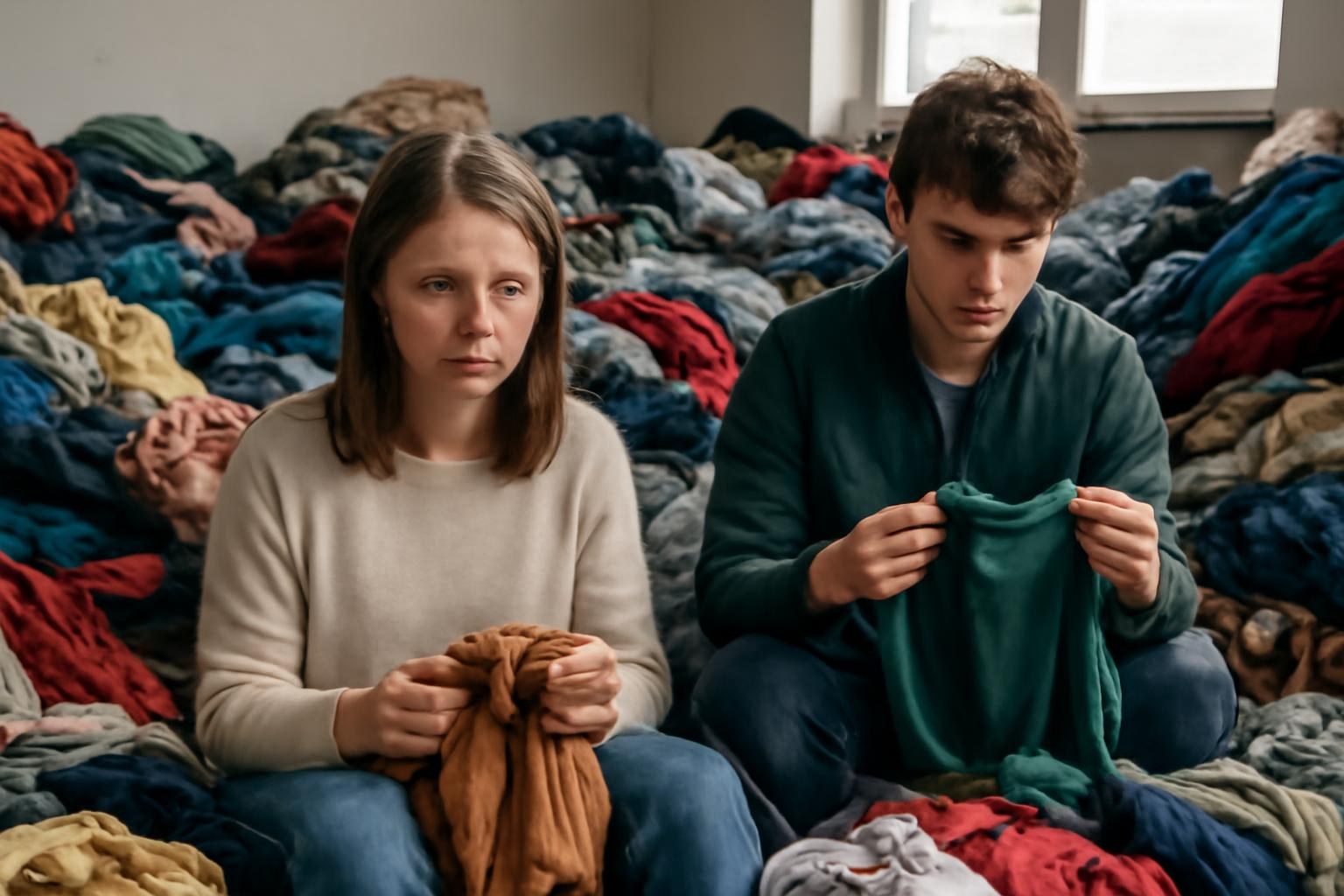
Clothing is an important part of daily life, but the world now produces and buys more clothes than ever before. Fast fashion companies release new styles very quickly and sell them at low prices. These prices make it easy for customers to buy something they may wear only a few times. When the next style appears, the old clothing is often forgotten.

Making clothes uses large amounts of water, energy, and raw materials. Cotton needs water to grow, while factories need electricity to turn fibers into cloth and cloth into shirts or pants. Clothing must then be transported between countries before it reaches a store. Each step can create pollution and greenhouse gas emissions.

The problem continues after people stop wearing an item. Some clothes are donated, but donation centers cannot accept everything. Unwanted clothing may be sent to another country, placed in a landfill, or burned. Synthetic fabrics can release tiny fibers when they are washed, and these fibers may enter rivers and oceans.

Consumers can make a difference by changing their habits. Before buying something, they can ask whether they really need it and whether it will match clothes they already own. Choosing strong, comfortable items can reduce the need for frequent replacement. Repairing a loose button or changing the style of an old shirt can also extend its useful life.

Companies and governments have responsibilities too. Businesses can use safer materials, provide clear information about production, and design clothes that last longer. Governments can support recycling programs and set rules for waste. The goal is not to stop people from enjoying fashion, but to create a system in which clothes are used longer and fewer resources are wasted.

中文翻譯

衣服是日常生活的重要部分,但現在全世界生產和購買的衣服比過去任何時候都多。快速時尚公司很快推出新款式,並以低價販售。這些價格讓顧客容易買下可能只穿幾次的衣服。下一個款式出現時,舊衣服常常就被忘記了。

製造衣服需要大量的水、能源和原料。棉花生長需要水,而工廠需要電力把纖維製成布料,再把布料製成襯衫或褲子。之後,衣服還必須在不同國家之間運輸,才能到達商店。每一個步驟都可能造成污染並產生溫室氣體排放。

人們停止穿某件衣服後,問題仍然持續。有些衣物會被捐出,但捐贈中心無法接受所有東西。不需要的衣物可能被送到另一個國家、放進掩埋場,或被焚燒。合成纖維在清洗時可能釋放微小纖維,而這些纖維可能進入河流和海洋。

消費者可以改變習慣來發揮影響力。購買前,他們可以問自己是否真的需要,以及這件衣服是否能和已經擁有的衣服搭配。選擇耐穿又舒適的衣物,可以減少頻繁更換的需要。修理鬆脫的鈕扣或改變舊襯衫的樣式,也能延長它的使用壽命。

公司和政府也有責任。企業可以使用較安全的材料,提供清楚的生產資訊,並設計更耐穿的衣服。政府可以支持回收計畫,並為廢棄物制定規範。目標不是阻止人們享受時尚,而是建立一個讓衣服使用更久、資源浪費更少的制度。

04

Key Words

重點詞彙片語
3 個
05

Expressions

慣用句
3 則
06

Practice

課後測驗
9 題 +討論 3 題
0 /0 題

1 Why do people often buy many fast fashion items?
答對了! 答錯了,正確答案以綠色標示。
2 What may happen to unwanted clothing?
答對了! 答錯了,正確答案以綠色標示。
3 How can consumers extend the useful life of clothes?
答對了! 答錯了,正確答案以綠色標示。
4 Strong, comfortable items reduce the need for replacement.
答對了! 答錯了,正確答案以綠色標示。
5 fabrics may release tiny fibers when washed.
答對了! 答錯了,正確答案以綠色標示。
6 Repairing an old shirt can its useful life.
答對了! 答錯了,正確答案以綠色標示。
7 These prices make it easy customers to buy something.
答對了! 答錯了,正確答案以綠色標示。
8 Some clothes are made cotton and synthetic fibers.
答對了! 答錯了,正確答案以綠色標示。
9 Before something, consumers can ask whether they need it.
答對了! 答錯了,正確答案以綠色標示。

Discussion

問題與討論
3 題

以下問題沒有標準答案,請試著用英文說出自己的想法,一題講三到五句話。

  1. 1 How often do you buy new clothes, and what influences your choices?
  2. 2 What can people do with clothes they no longer want to wear?
  3. 3 Should clothing companies be required to make products that last longer? Explain your opinion.