
깨끗한 물을 찾기 어려울 때

게시일:2026-09-02 國中英語篇 Level 2
깨끗한 물을 찾기 어려울 때
01

About This Article

이 기사에 대하여
배경
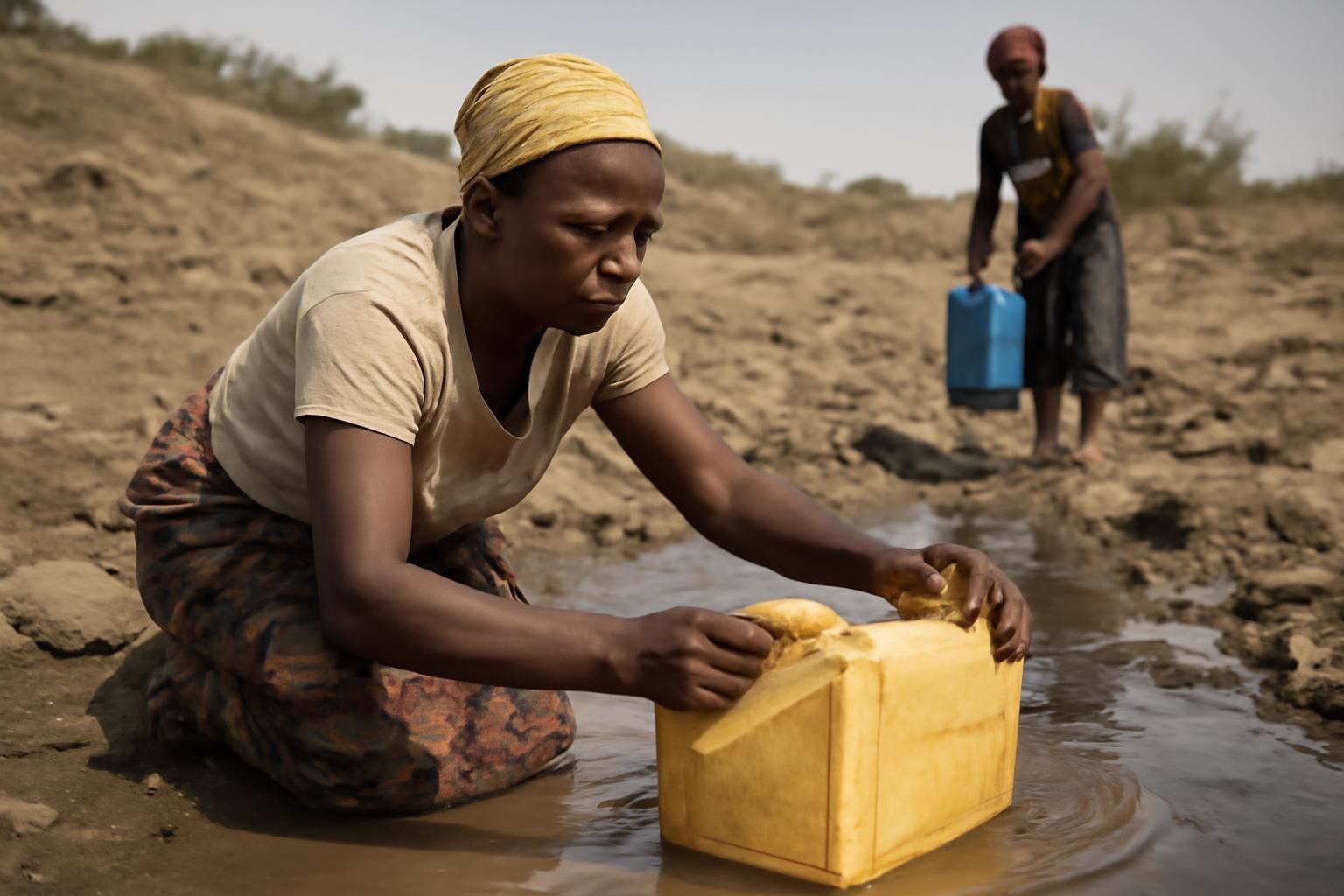
세계에는 아직도 매일 안전한 식수를 얻지 못하는 사람들이 많습니다. 가뭄이 심하거나 외딴곳에 있거나 기반 시설이 부족한 지역에서는 사람들이 물을 구하기 위해 먼 길을 걸어야 할 수 있으며, 오염은 질병에 걸릴 위험을 높일 수 있습니다. 이 글에서는 물 부족이 일상생활에 미치는 영향과 사람들이 협력하여 상황을 개선하는 방법을 소개합니다.
  • 일상생활에서 깨끗한 물의 중요성
  • 물 부족 지역 주민들이 매일 물을 구하는 어려움
  • 오염과 기후 변화가 미치는 영향
  • 지역 사회와 단체가 함께 해결책을 찾는 과정
02

Listen First

먼저 듣기
00:00 / 00:00
03

Reading

기사 읽기
English

For many people, turning on a kitchen tap is a normal part of the day. Clean water is used for drinking, cooking, washing, and growing food. However, in some villages and cities, safe water is difficult to find. Families may need to walk several kilometers to reach a well or a public water station.

This daily trip takes time and energy. Children who spend hours carrying water may have less time for school, and adults may have less time for work. The water they bring home is not always safe, either. It can contain dirt or harmful germs, especially when it is collected from an open river or a shallow well.

Water problems often become worse during a long dry season. When there is little rain, rivers become smaller and wells may disappear. Climate change can make these periods longer and more difficult to predict. At the same time, a growing population needs more water for homes, farms, and businesses.

Communities use different solutions to deal with the problem. Some groups build deep wells, rainwater tanks, or small systems that clean water with sunlight. Local workers teach families how to store water in covered containers and wash their hands before using it. These simple actions can reduce illness and protect children.

Governments and international organizations also have an important role. They can repair pipes, improve water stations, and support schools that teach health and hygiene. People who live far away should be included when new projects are planned, because they understand local needs best.

Clean water is more than a useful resource; it is connected to health, education, and human dignity. A village with safe water can spend less time fighting disease and more time building its future. Although the problem is serious, careful planning and community cooperation can help more people enjoy water that is safe and reliable.

한국어 번역

많은 사람에게 주방 수도꼭지를 트는 것은 하루의 일상적인 한 부분입니다. 깨끗한 물은 마시고, 요리하고, 씻고, 식량을 재배하는 데 사용됩니다. 그러나 일부 마을과 도시에서는 안전한 물을 구하기가 어렵습니다. 가족들은 우물이나 공공 급수 시설에 도착하기 위해 몇 킬로미터를 걸어야 할 수도 있습니다.

이 매일의 이동에는 시간과 에너지가 듭니다. 물을 나르는 데 몇 시간씩 보내는 아이들은 학교에 다닐 시간이 줄어들 수 있고, 어른들은 일할 시간이 줄어들 수 있습니다. 게다가 집으로 가져온 물이 항상 안전한 것도 아닙니다. 특히 물을 개방된 강이나 얕은 우물에서 길어 올릴 경우, 물에는 흙이나 해로운 세균이 들어 있을 수 있습니다.

긴 건기가 이어지면 물 문제는 더욱 심각해지는 경우가 많습니다. 비가 거의 오지 않으면 강의 폭이 줄어들고 우물이 사라질 수도 있습니다. 기후 변화는 이러한 기간을 더 길게 만들고 예측하기 어렵게 할 수 있습니다. 동시에 늘어나는 인구는 가정, 농장, 사업체를 위해 더 많은 물을 필요로 합니다.

지역 사회는 이 문제에 대처하기 위해 다양한 해결책을 사용합니다. 어떤 단체들은 깊은 우물, 빗물 저장 탱크 또는 햇빛으로 물을 정화하는 소규모 시스템을 만듭니다. 지역 활동가들은 가정에 물을 뚜껑이 있는 용기에 보관하는 방법과 물을 사용하기 전에 손을 씻는 방법을 가르칩니다. 이러한 간단한 행동은 질병을 줄이고 아이들을 보호할 수 있습니다.

정부와 국제기구도 중요한 역할을 합니다. 이들은 수도관을 수리하고, 급수 시설을 개선하며, 건강과 위생을 가르치는 학교를 지원할 수 있습니다. 새로운 사업을 계획할 때는 외딴곳에 사는 사람들도 참여시켜야 합니다. 그들이 현지의 필요를 가장 잘 이해하기 때문입니다.

깨끗한 물은 단순히 유용한 자원 그 이상이며, 건강과 교육, 인간의 존엄성과도 연결되어 있습니다. 안전한 물을 이용할 수 있는 마을은 질병과 싸우는 데 시간을 덜 쓰고 미래를 건설하는 데 더 많은 시간을 쓸 수 있습니다. 문제가 심각하기는 하지만, 신중한 계획과 지역 사회의 협력은 더 많은 사람들이 안전하고 안정적인 물을 누리는 데 도움을 줄 수 있습니다.

04

Key Words

핵심 단어·구
3 개
05

Expressions

관용 표현
3 개
06

Practice

이해도 테스트
9 문항 +토론 3문항
0 /0문항

1 Why may children have less time for school?
정답입니다. 오답입니다. 정답은 초록색으로 표시했습니다.
2 What can happen during a long dry season?
정답입니다. 오답입니다. 정답은 초록색으로 표시했습니다.
3 Why should local people be included in new water projects?
정답입니다. 오답입니다. 정답은 초록색으로 표시했습니다.
4 The water they bring home is not always .
정답입니다. 오답입니다. 정답은 초록색으로 표시했습니다.
5 It can dirt or harmful germs.
정답입니다. 오답입니다. 정답은 초록색으로 표시했습니다.
6 Schools can teach health and .
정답입니다. 오답입니다. 정답은 초록색으로 표시했습니다.
7 Safe water is difficult in some villages.
정답입니다. 오답입니다. 정답은 초록색으로 표시했습니다.
8 Children may spend hours water.
정답입니다. 오답입니다. 정답은 초록색으로 표시했습니다.
9 Clean water is connected health and education.
정답입니다. 오답입니다. 정답은 초록색으로 표시했습니다.

Discussion

질문과 토론
3 문항

아래 질문에는 정답이 없습니다. 영어로 자신의 생각을 한 문항당 3~5문장으로 말해 보세요.

  1. 1 What would you do if your family had to walk a long distance for water every day?
  2. 2 How can schools help people learn about clean water and good hygiene?
  3. 3 Which solution in the article would be most useful in your community, and why?