
When Clean Water Is Hard to Find

發布日期:2026-09-02 國中英語篇 Level 2
When Clean Water Is Hard to Find
01

About This Article

關於這篇文章
背景
世界上仍有許多人無法每天取得安全的飲用水。在乾旱、偏遠或基礎建設不足的地區,人們可能需要走很遠的路取水,而污染也會增加疾病風險。本篇介紹缺水對日常生活的影響,以及人們如何合作改善情況。
  • 乾淨的水在生活中的重要性
  • 缺水地區居民每天取水的困難
  • 污染與氣候變化帶來的影響
  • 社區和組織共同尋找解決方法
02

Listen First

先聽文章
00:00 / 00:00
03

Reading

閱讀文章
English

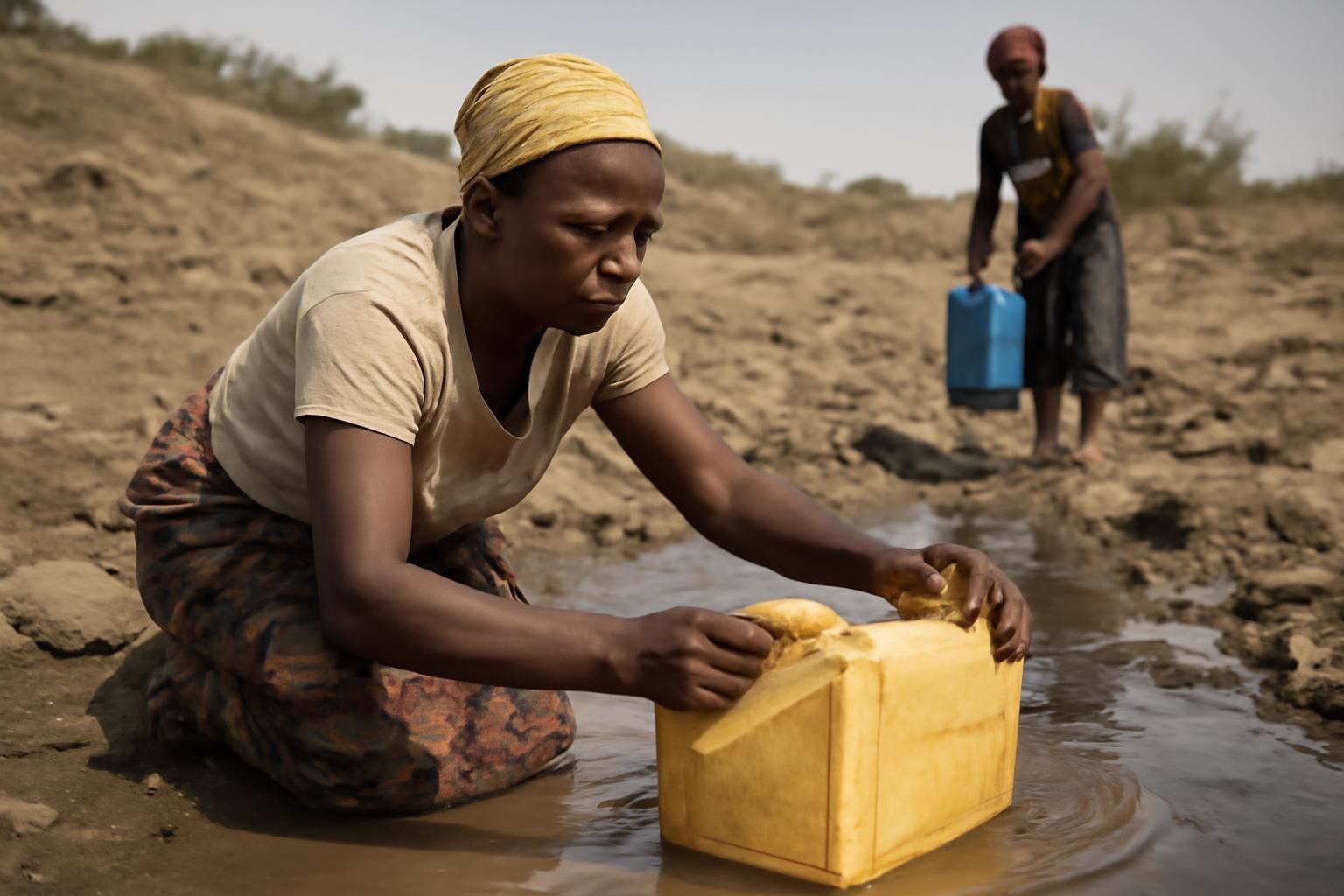
For many people, turning on a kitchen tap is a normal part of the day. Clean water is used for drinking, cooking, washing, and growing food. However, in some villages and cities, safe water is difficult to find. Families may need to walk several kilometers to reach a well or a public water station.

This daily trip takes time and energy. Children who spend hours carrying water may have less time for school, and adults may have less time for work. The water they bring home is not always safe, either. It can contain dirt or harmful germs, especially when it is collected from an open river or a shallow well.

Water problems often become worse during a long dry season. When there is little rain, rivers become smaller and wells may disappear. Climate change can make these periods longer and more difficult to predict. At the same time, a growing population needs more water for homes, farms, and businesses.

Communities use different solutions to deal with the problem. Some groups build deep wells, rainwater tanks, or small systems that clean water with sunlight. Local workers teach families how to store water in covered containers and wash their hands before using it. These simple actions can reduce illness and protect children.

Governments and international organizations also have an important role. They can repair pipes, improve water stations, and support schools that teach health and hygiene. People who live far away should be included when new projects are planned, because they understand local needs best.

Clean water is more than a useful resource; it is connected to health, education, and human dignity. A village with safe water can spend less time fighting disease and more time building its future. Although the problem is serious, careful planning and community cooperation can help more people enjoy water that is safe and reliable.

中文翻譯

對許多人來說,打開廚房水龍頭是日常生活中很普通的一件事。乾淨的水可以用來飲用、煮飯、清洗和種植食物。然而,在一些村莊和城市裡,安全的水並不容易取得。家庭可能必須走好幾公里,才能到達水井或公共供水站。

這趟每日取水的路程需要時間和體力。花上幾個小時提水的孩子,可能因此沒有那麼多時間上學;成人也可能少了工作的時間。而且,他們帶回家的水不一定安全。尤其從露天河流或淺井取水時,水裡可能含有泥土或有害細菌。

長時間的乾季通常會讓水資源問題變得更嚴重。雨水很少時,河流會縮小,水井也可能乾涸。氣候變遷可能讓這些時期變得更長,也更難預測。同時,不斷增加的人口需要更多水來供應家庭、農場和企業。

社區會採取不同的方法來處理這個問題。有些團體會建造深井、雨水儲存槽,或利用陽光淨化水的小型系統。當地工作人員會教導家庭如何把水存放在有蓋的容器中,以及在使用水前洗手。這些簡單的行動可以減少疾病並保護兒童。

政府和國際組織也扮演重要角色。他們可以修理管線、改善供水站,並支持學校教導健康與衛生。規劃新計畫時,也應納入住得較遠的居民,因為他們最了解當地的需求。

乾淨的水不只是有用的資源;它也和健康、教育及人的尊嚴有關。有安全用水的村莊,可以少花時間對抗疾病,並有更多時間建設未來。雖然問題很嚴重,但仔細規劃和社區合作能幫助更多人享有安全且可靠的水。

04

Key Words

重點詞彙片語
3 個
05

Expressions

慣用句
3 則
06

Practice

課後測驗
9 題 +討論 3 題
0 /0 題

1 Why may children have less time for school?
答對了! 答錯了,正確答案以綠色標示。
2 What can happen during a long dry season?
答對了! 答錯了,正確答案以綠色標示。
3 Why should local people be included in new water projects?
答對了! 答錯了,正確答案以綠色標示。
4 The water they bring home is not always .
答對了! 答錯了,正確答案以綠色標示。
5 It can dirt or harmful germs.
答對了! 答錯了,正確答案以綠色標示。
6 Schools can teach health and .
答對了! 答錯了,正確答案以綠色標示。
7 Safe water is difficult in some villages.
答對了! 答錯了,正確答案以綠色標示。
8 Children may spend hours water.
答對了! 答錯了,正確答案以綠色標示。
9 Clean water is connected health and education.
答對了! 答錯了,正確答案以綠色標示。

Discussion

問題與討論
3 題

以下問題沒有標準答案,請試著用英文說出自己的想法,一題講三到五句話。

  1. 1 What would you do if your family had to walk a long distance for water every day?
  2. 2 How can schools help people learn about clean water and good hygiene?
  3. 3 Which solution in the article would be most useful in your community, and why?