
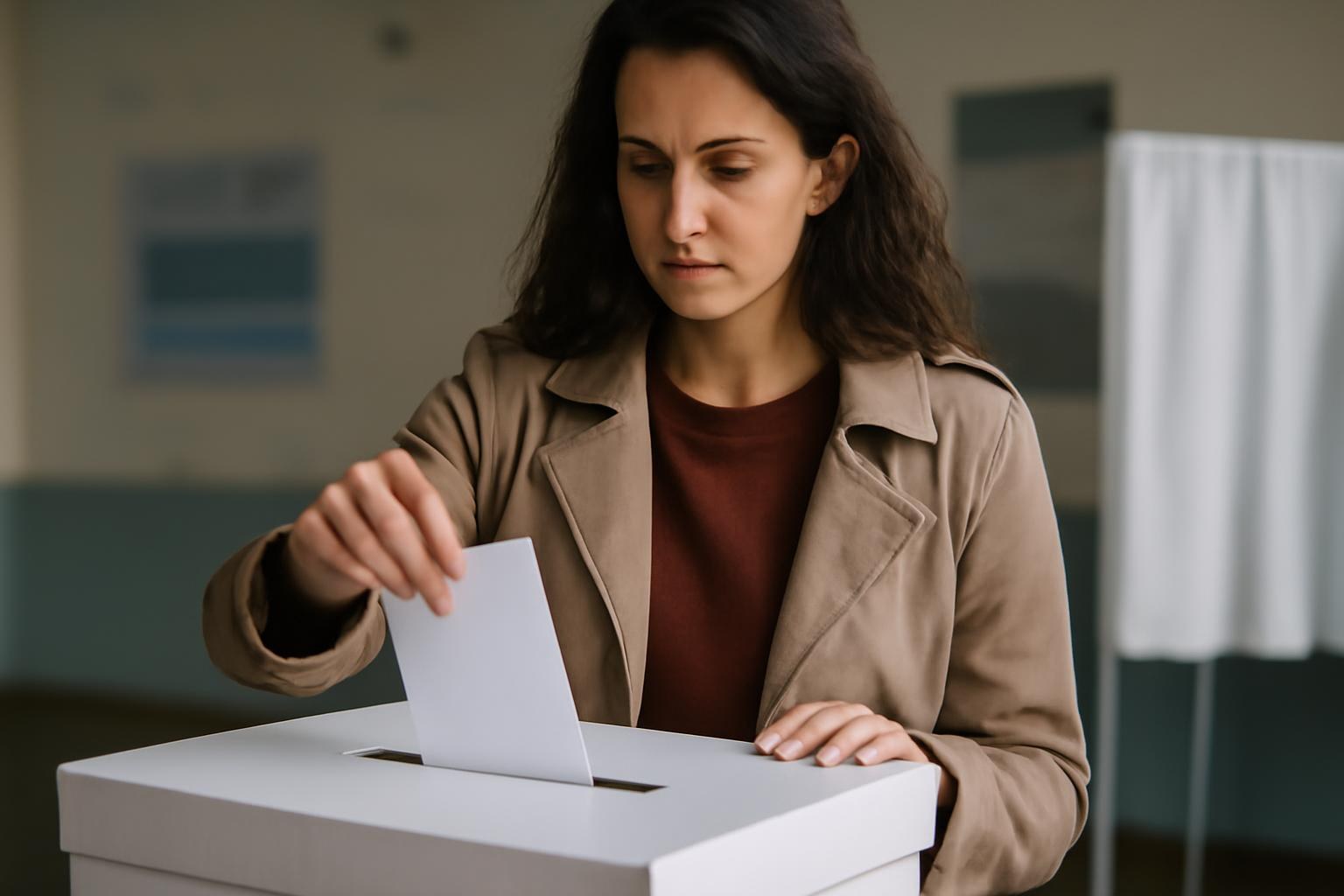
선거가 전 세계 정부에 압력을 가하다

게시일:2026-09-04 世界與新聞 Level 2
선거가 전 세계 정부에 압력을 가하다
01

About This Article

이 기사에 대하여
배경
최근 많은 국가의 선거는 생활비, 주거, 이민, 공공 서비스 등의 영향을 받고 있다. 선거는 누가 집권할지를 결정할 뿐만 아니라, 정부가 의회에서 과반을 확보할 수 있는지와 정당들이 정책을 추진하기 위해 어떻게 협력할지도 좌우한다.
  • 선거 결과는 국민의 정부에 대한 기대를 반영한다
  • 생활비가 중요한 투표 쟁점이 되다
  • 소수 정부는 협력 상대를 찾아야 한다
  • 선거 후 정책 공약이 검증받게 되다
02

Listen First

먼저 듣기
00:00 / 00:00
03

Reading

기사 읽기
English

Elections are putting pressure on governments in many parts of the world. Voters are asking leaders to deal with high prices, expensive housing, immigration, and public services. These concerns are not limited to one country, so election campaigns often focus on similar daily problems.

Recent elections in countries such as the United Kingdom, France, Germany, and Canada have shown that many voters are willing to change their support. Some established parties have lost seats, while smaller or newer parties have gained attention. The results do not always give one party enough power to govern alone.

When no party wins a majority, leaders must build a coalition or find support from other groups. This can make government slower because partners may disagree about taxes, spending, or immigration. At the same time, cooperation can bring more opinions into the lawmaking process.

Election promises also create pressure after voting ends. Candidates may promise to reduce living costs, improve health care, or make borders more secure. Once they take office, however, they must work with limited budgets, existing laws, and changing economic conditions.

Public trust is another important challenge. People can become disappointed if a government does not keep its promises or if political arguments stop important work. Governments around the world therefore need to explain difficult choices clearly and show practical progress. The next elections will reveal whether voters believe those efforts were successful.

한국어 번역

선거는 세계 여러 지역의 정부에 압력을 가하고 있다. 유권자들은 지도자들에게 높은 물가, 비싼 주거비, 이민, 공공 서비스 문제를 해결하라고 요구하고 있다. 이러한 우려는 한 나라에만 국한되지 않기 때문에 선거 운동은 비슷한 일상적 문제에 초점을 맞추는 경우가 많다.

영국, 프랑스, 독일, 캐나다와 같은 국가에서 최근 실시된 선거는 많은 유권자들이 지지 대상을 바꿀 의향이 있음을 보여 주었다. 일부 기존 정당은 의석을 잃은 반면, 규모가 작거나 새로 생긴 정당들은 주목을 받았다. 선거 결과가 항상 한 정당에 단독으로 집권할 수 있을 만큼의 권력을 주는 것은 아니다.

어느 정당도 과반을 차지하지 못하면 지도자들은 연립 정부를 구성하거나 다른 집단의 지지를 얻어야 한다. 협력 상대들이 세금, 지출 또는 이민 문제에 대해 의견이 다를 수 있기 때문에 이는 정부 운영을 더디게 만들 수 있다. 동시에 협력은 더 많은 의견이 입법 과정에 반영되도록 할 수 있다.

선거 공약은 투표가 끝난 뒤에도 압력을 만들어 낸다. 후보자들은 생활비를 낮추고, 의료 서비스를 개선하며, 국경을 더 안전하게 만들겠다고 약속할 수 있다. 그러나 일단 취임하면 제한된 예산, 기존 법률, 그리고 변화하는 경제 상황 속에서 일해야 한다.

국민의 신뢰 역시 중요한 과제이다. 정부가 공약을 지키지 못하거나 정치적 논쟁이 중요한 일을 중단시키면 사람들은 실망할 수 있다. 따라서 세계 각국의 정부는 어려운 선택을 분명하게 설명하고 실질적인 진전을 보여 줄 필요가 있다. 다음 선거는 유권자들이 그러한 노력이 성공적이었다고 믿는지를 보여 줄 것이다.

04

Key Words

핵심 단어·구
5 개
05

Expressions

관용 표현
5 개
06

Practice

이해도 테스트
5 문항 +토론 3문항
0 /0문항

1 What issues are voters asking governments to handle?
정답입니다. 오답입니다. 정답은 초록색으로 표시했습니다.
2 What has happened to some established parties in recent elections?
정답입니다. 오답입니다. 정답은 초록색으로 표시했습니다.
3 What may leaders do when no party wins a majority?
정답입니다. 오답입니다. 정답은 초록색으로 표시했습니다.
4 Why can government work become slower in a coalition?
정답입니다. 오답입니다. 정답은 초록색으로 표시했습니다.
5 What can happen if governments do not keep their promises?
정답입니다. 오답입니다. 정답은 초록색으로 표시했습니다.

Discussion

질문과 토론
3 문항

아래 질문에는 정답이 없습니다. 영어로 자신의 생각을 한 문항당 3~5문장으로 말해 보세요.

  1. 1 Which issue should your government focus on most in its next election? Give reasons.
  2. 2 Why can it be difficult for a coalition government to make decisions?
  3. 3 How can a government build and maintain public trust after an election?