
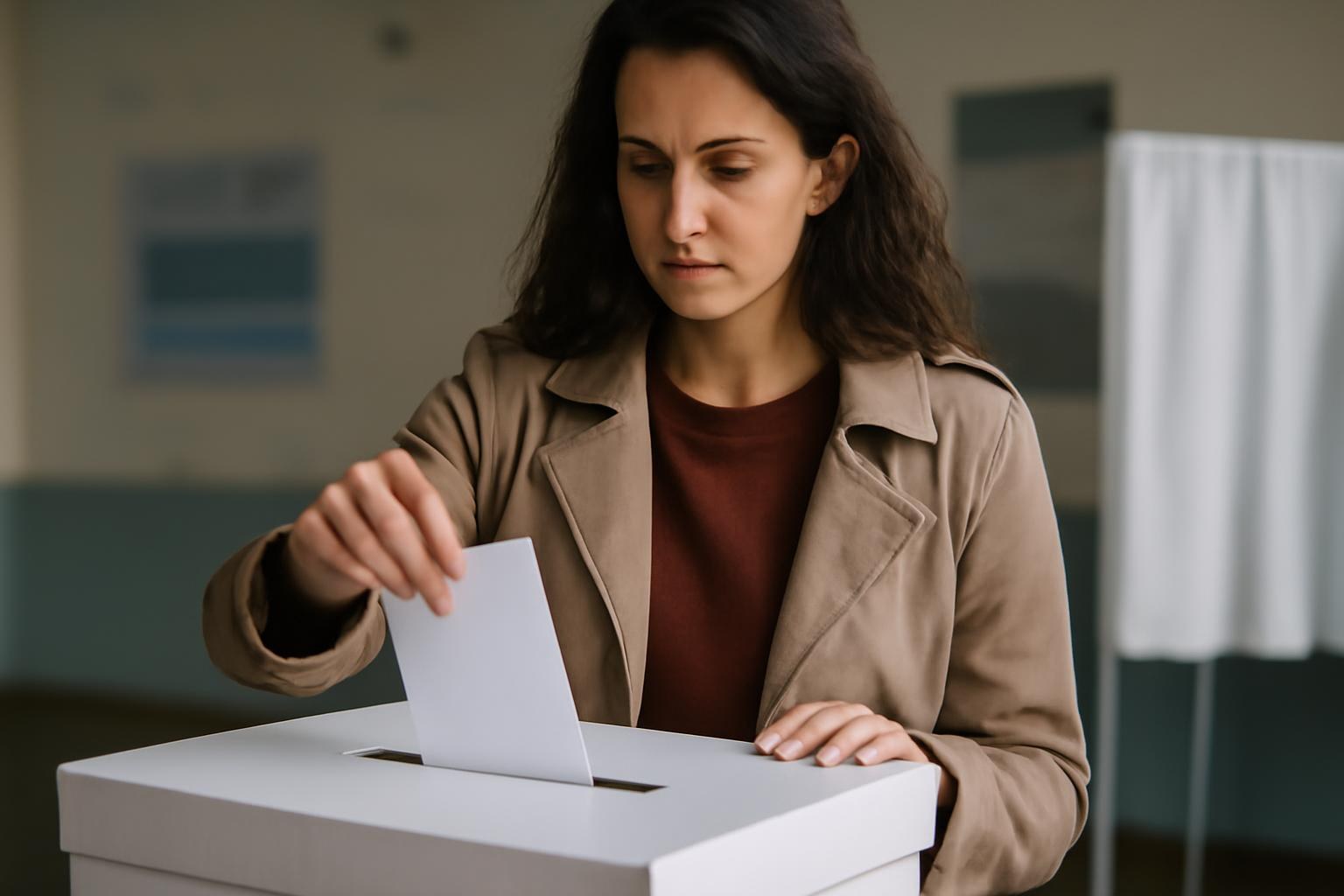
選挙が世界各国の政府にプレッシャーを与える

公開日:2026-09-04 世界與新聞 Level 2
選挙が世界各国の政府にプレッシャーを与える
01

About This Article

この記事について
背景
近年、多くの国の選挙は、生活費、住宅、移民、公共サービスなどの問題に左右されています。選挙は誰が政権を担うかを決めるだけでなく、政府が議会で過半数を確保できるかどうかや、政党がどのように協力して政策を進めるかにも影響を与えます。
  • 選挙結果は国民の政府への期待を反映する
  • 生活費が重要な投票の争点になる
  • 少数政権は協力相手を探す必要がある
  • 選挙後、政策公約が試される
02

Listen First

まず聞く
00:00 / 00:00
03

Reading

記事を読む
English

Elections are putting pressure on governments in many parts of the world. Voters are asking leaders to deal with high prices, expensive housing, immigration, and public services. These concerns are not limited to one country, so election campaigns often focus on similar daily problems.

Recent elections in countries such as the United Kingdom, France, Germany, and Canada have shown that many voters are willing to change their support. Some established parties have lost seats, while smaller or newer parties have gained attention. The results do not always give one party enough power to govern alone.

When no party wins a majority, leaders must build a coalition or find support from other groups. This can make government slower because partners may disagree about taxes, spending, or immigration. At the same time, cooperation can bring more opinions into the lawmaking process.

Election promises also create pressure after voting ends. Candidates may promise to reduce living costs, improve health care, or make borders more secure. Once they take office, however, they must work with limited budgets, existing laws, and changing economic conditions.

Public trust is another important challenge. People can become disappointed if a government does not keep its promises or if political arguments stop important work. Governments around the world therefore need to explain difficult choices clearly and show practical progress. The next elections will reveal whether voters believe those efforts were successful.

日本語訳

選挙は世界各地の政府にプレッシャーを与えています。有権者は指導者に対し、高い物価、高額な住宅、移民、公共サービスの問題に対処するよう求めています。こうした懸念は一つの国に限られないため、選挙運動では似たような日常の問題がよく取り上げられます。

イギリス、フランス、ドイツ、カナダなどで最近行われた選挙は、多くの有権者が支持先を変える意思を持っていることを示しました。いくつかの既成政党は議席を失う一方、より小規模な政党や新しい政党が注目を集めました。選挙結果によっては、一つの政党が単独で政権を運営するのに十分な権力を得られないこともあります。

どの政党も過半数を獲得できない場合、指導者は連立政権を組むか、他の勢力から支持を得なければなりません。協力相手が税金、歳出、移民について意見を異にする可能性があるため、これによって政府の運営が遅くなることがあります。同時に、協力によってより多くの意見を立法の過程に取り入れることもできます。

選挙公約も投票が終わった後にプレッシャーを生み出します。候補者は生活費を下げること、医療を改善すること、または国境をより安全にすることを公約するかもしれません。しかし、いったん政権に就くと、限られた予算、既存の法律、変化する経済状況の中で取り組まなければなりません。

国民の信頼も、もう一つの重要な課題です。政府が公約を守らなかったり、政治的な論争によって重要な仕事が止まったりすると、人々は失望する可能性があります。そのため、世界各国の政府は難しい選択について明確に説明し、実際の進展を示す必要があります。次の選挙では、有権者がこうした努力を成功したと考えているかどうかが明らかになるでしょう。

04

Key Words

重要単語・フレーズ
5 件
05

Expressions

慣用表現
5 件
06

Practice

理解度テスト
5 問 +ディスカッション 3 問
0 /0 問

1 What issues are voters asking governments to handle?
正解です。 不正解です。正解は緑色で示しています。
2 What has happened to some established parties in recent elections?
正解です。 不正解です。正解は緑色で示しています。
3 What may leaders do when no party wins a majority?
正解です。 不正解です。正解は緑色で示しています。
4 Why can government work become slower in a coalition?
正解です。 不正解です。正解は緑色で示しています。
5 What can happen if governments do not keep their promises?
正解です。 不正解です。正解は緑色で示しています。

Discussion

質問とディスカッション
3 問

以下の問いに正解はありません。英語で自分の考えを、1 問につき 3〜5 文で話してみましょう。

  1. 1 Which issue should your government focus on most in its next election? Give reasons.
  2. 2 Why can it be difficult for a coalition government to make decisions?
  3. 3 How can a government build and maintain public trust after an election?